
Buying CBD wholesale comes down to two things: the product itself and the supplier behind it. On the product side, that’s lab testing, extraction method, and consistent quality every time. On the supplier side, it’s pricing, support, and whether they can keep up with orders long term.
This year adds one more factor. A federal rule taking effect this November changes what legally counts as hemp, so it’s worth confirming your supplier has a plan for it.
The Non-Negotiables: Product Transparency
Every credible wholesale relationship starts here. If a supplier can’t clear this bar, nothing else on the checklist matters.
Certificate of Analysis (COA)
A COA is the third-party lab report that confirms what a product actually contains. At minimum, it should show cannabinoid potency, THC levels against current legal limits, and results for pesticides and heavy metals, plus microbials and residual solvents.
Here is why this matters beyond compliance. In The Hemp Doctor’s 2026 survey of 848 hemp customers, 26.7% named lab testing and COA transparency as a specific reason they chose THD over other brands. That number did not come from a survey about compliance concerns. It came from a question about brand preference. End consumers are already pulling up lab results on their own before they buy, which means COA transparency is a shelf decision customers are making before they even walk in.
The step most buyers skip is verifying that the lab itself is ISO 17025-accredited. That accreditation means the lab’s own methods have been audited, not just the samples they receive. Suppliers should link to lab results directly from their website, not bury them behind a request form.
Extraction Method
How the cannabinoids are extracted from hemp plants tells you a lot about the finished product’s quality.
Supercritical CO₂ extraction is the cleaner, more expensive standard. Cheaper solvent-based methods can leave residues that show up on solvents panel.
The type of CBD offered also matters here. Full-spectrum CBD keeps the plant’s natural cannabinoid and terpene profile intact. Broad-spectrum CBD keeps most of that profile but removes detectable THC. CBD isolate is the purest form of CBD, stripped down to a single molecule. A supplier who offers all three, rather than just one, usually has the processing range to serve a broader retail lineup.
| Spectrum Type | What’s Inside | Typical Retail Fit |
| Full Spectrum CBD | CBD, minor cannabinoids, terpenes, trace THC | Adult consumers looking for a complete hemp profile |
| Broad Spectrum CBD | CBD, minor cannabinoids, terpenes, THC removed | Buyers who want plant complexity without detectable THC |
| CBD Isolate | 99%+ pure CBD, no other compounds | Flavor-neutral formulations, precise serving-size planning |
Here’s how that breaks down across our own catalog:
CBD Isolate
- THC-Free CBD High-Octane Tincture, 5,000mg option — labeled “Pure CBD” at this potency. The same listing’s 1,500mg and 2,800mg options are broad-spectrum blends instead, so spectrum depends on which potency you order.
Broad Spectrum
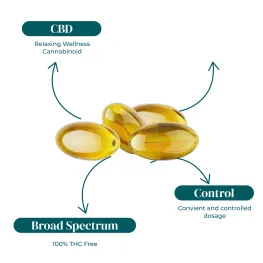
- REVIVE Broad Spectrum CBD Softgels, THC-Free — 1,500mg total, 50mg per softgel
- Ruger Pet CBD Softgel Capsules, 25mg
- Ruger Organic CBD Pet Tincture
- THC-Free CBD High-Octane Tincture, 1,500mg & 2,800mg options — a CBD, CBG, and CBN blend with zero THC
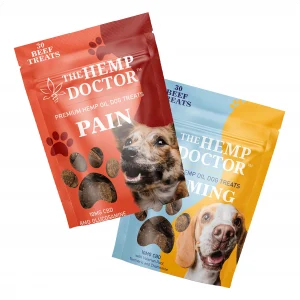
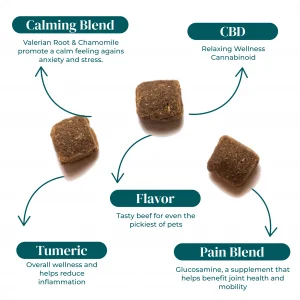
- Ruger CBD Pet Soft Beef Treats, 10mg
Full Spectrum
- REVIVE Full Spectrum CBD Softgels — 1,500mg or 3,000mg options
- REVIVE CBD Gummies, 30mg
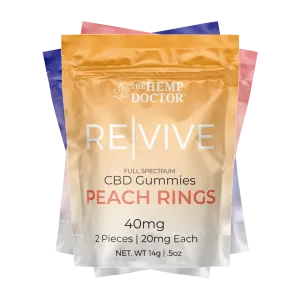
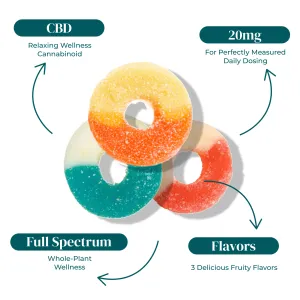
- REVIVE Full-Spectrum CBD Gummy Rings, 20mg
- 33:1 USDA Organic CBD Tincture — 66mg CBD and 2mg THC per serving, USDA organic, kosher, and vegan certified
- CBD:CBG:CBN Full Spectrum High-Octane Tincture — also contains D8, worth factoring into any November 2026 compliance planning
GMP-Compliant Facilities
Good Manufacturing Practice (GMP) certification means the production facility follows documented procedures for cleanliness, batch records, and quality control. It’s the difference between an informal operation and a manufacturer with standardized production practices. Ask for the certificate, not just the claim.
Verified Hemp Sourcing
Where the hemp itself came from is often glossed over. Domestically grown hemp from licensed farms is easier to trace and typically tested at more checkpoints than imported material.
Genetics matter too. Consistent cannabis plant genetics, including stable cultivars from the same farm partners, are what give you batch-to-batch consistency on cannabinoid ratios. Batch drift is one of the quietest reasons customers stop reordering a SKU.



Why 2026 Changes What “Compliant” Actually Means
A provision in P.L. 119-37, signed in November 2025, redefines hemp at the federal level effective November 12, 2026. The old rule capped delta-9 THC at 0.3% by dry weight. The new rule measures total THC, and delta-8, and imposes a hard 0.4 milligram per-container cap on finished products.
Congress is still debating whether to delay, replace, or let the change take effect, so treat the timeline as a moving target rather than a settled deadline.
Here’s why it matters for a CBD-focused catalog and not just intoxicating hemp products. Because the cap is measured in milligrams per container rather than as a percentage, container size drives the math.
Full-spectrum CBD oils that sit well under the old 0.3% line can still exceed 0.4 mg of total THC once you scale up to a 30 mL or 60 mL bottle. That means reformulation or relabeling may be on the table for products that have been fully compliant for years.
The new checklist question to ask any supplier: “What’s your plan for November 12, 2026?” A vendor without an answer is one you’ll be scrambling with when the rule lands. Remember that state laws still vary and may impose stricter limits than federal law.
Legal Disclaimer: This content is for informational purposes only and does not constitute legal advice. Federal and state hemp laws may change. Consult legal counsel for compliance guidance.
Brand Flexibility and Partnership Terms
Product quality gets you to the first order. Partnership terms decide whether there’s a second one.
Compliance and Partnership Basics
Start with the supplier’s own compliance posture. They should hold current state and federal licenses, carry product liability insurance, and be able to ship into your state without workarounds. Ask directly about MOQs, dropshipping availability, private-label options, and whether you get a dedicated account manager or a shared inbox.
Pricing Beyond the Sticker Price
Pricing deserves more attention than most buyers give it. The sticker price is only one line in the real cost. Tiered volume pricing, payment terms such as Net 15, Net 30, or prepay discounts, freight, and any per-order fees all roll into landed cost, which is the number that actually hits your margin. Two suppliers with identical unit prices can produce very different P&Ls once landed cost is calculated.
Sales Enablement and Long-Term Support
The last piece is sales enablement. A wholesale partner worth keeping helps you sell through, not just sell in. That looks like POS materials, shelf-talkers, staff training resources, and up-to-date product education.
Here is the number that makes that non-negotiable rather than optional. In our 2026 survey of 848 hemp customers, 75.1% said they figured out the right product and dose through trial and error on their own. Only 2.4% got a recommendation from a budtender or retailer.
That means nearly every customer walking your hemp aisle is navigating the category without any help from your floor, making their own mistakes, occasionally having a bad experience, and sometimes not coming back because of it. A supplier who provides training materials and sales enablement tools is not offering a perk. They are filling a gap that 97.6% of your customers are currently working around on their own.
The Ultimate Sales Guide is one example of what to expect from a supplier that takes sell-through seriously. When you’re ready to formalize the relationship, the wholesale application is the next step.
Product Quality Signals That Actually Sell
Compliance keeps a product on the shelf. Repeat purchase potential is what moves it off.
Taste and mouthfeel matter more than most COAs suggest. A tincture with a harsh, grassy aftertaste is a one-and-done purchase for most adult consumers, no matter how clean the lab work is.
Consistency across batches is the second signal. 52.1% of our surveyed customers named product quality and consistency as the primary reason they chose The Hemp Doctor over other brands. And 29.8% said their hemp habits had simplified over time, finding one or two products that worked and stopping there. That is the customer most likely to drive your reorder velocity, and also the one most likely to disappear quietly if the same SKU feels different on the second purchase.
Range matters too. A lineup that spans full spectrum, broad spectrum, and isolate across multiple formats gives your budtenders something to cross-sell instead of a single hero SKU.
Per-SKU customer reviews on the supplier’s own site are a useful proxy for repeat-purchase potential, especially when review counts run into the hundreds on a single product.
Buying Guide by CBD Product Type
Different formats fail in different ways. Here’s what to pressure-test on the most common categories.
What to Look for When Buying CBD Oil?
For bulk CBD oil, check dropper accuracy and clear concentration labeling, including total mg per bottle and mg per serving. Carrier oil quality matters, with MCT and hemp seed being the common choices. Confirm the COA reflects the exact concentration on the label and that a full-spectrum product also lists its minor cannabinoids.
What to Look for When Buying CBD Cream or Topicals?
For wholesale CBD cream and other topicals, look at texture, absorption feel, scent profile, and any added ingredients such as menthol, arnica, or camphor. Verify the milligrams of hemp-derived CBD per container, not per pump, and check that the product is manufactured under cosmetic GMP.
What to Look for When Buying CBD Gummies?
For bulk CBD gummies, serving consistency is the whole game. Check shelf life, sugar crystallization behavior, and whether pectin or gelatin fits your customer base.
What to Look for When Buying CBD Vape Oil?
For wholesale CBD vape oil, hardware compatibility, including cartridge threading and coil resistance, matters as much as the oil itself. Confirm there are no cutting agents like vitamin E acetate at problematic levels, and that the terpene profile is clearly disclosed.
What to Look for When Buying CBD Oil for Dogs
For CBD oil for dogs, clear serving-size guidance by product amount is a must, and formulations should exclude xylitol, certain essential oils that are not appropriate for pets, and unnecessary flavorings. Bacon or salmon flavor is fine. A heavy metal panel on the COA is non-negotiable.
Always consult a healthcare professional before adding any new supplement to your routine. For pet products, retailers should encourage customers to consult a qualified pet-care professional before introducing a new hemp-derived product to a pet’s routine.
How The Hemp Doctor Checks Every Box
The bar for what to look for when buying CBD in 2026 is higher than it was even a year ago. Batch-matched lab work, ISO 17025-accredited testing, sourcing transparency, a real plan for the November 12 rule change, and partnership terms that support sell-through are the checklist. Use it to audit your current lineup or to vet the next supplier on your list.
The Hemp Doctor’s wholesale program is built around this exact checklist. Every SKU ships with a batch-matched COA from an accredited third-party lab, backed by in-house testing at intake and post-production.
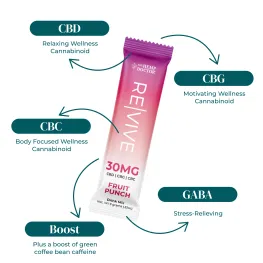
The catalog spans REVIVE softgels and gummies, CBD oil tinctures in both full spectrum and broad spectrum, topical creams and roll-ons, and a dedicated pet line, so retailers can build a cross-sellable lineup from one supplier. There’s no MOQ, which lets newer stores test SKUs without over-committing capital.
Ready to see pricing and terms? Start with the wholesale application.