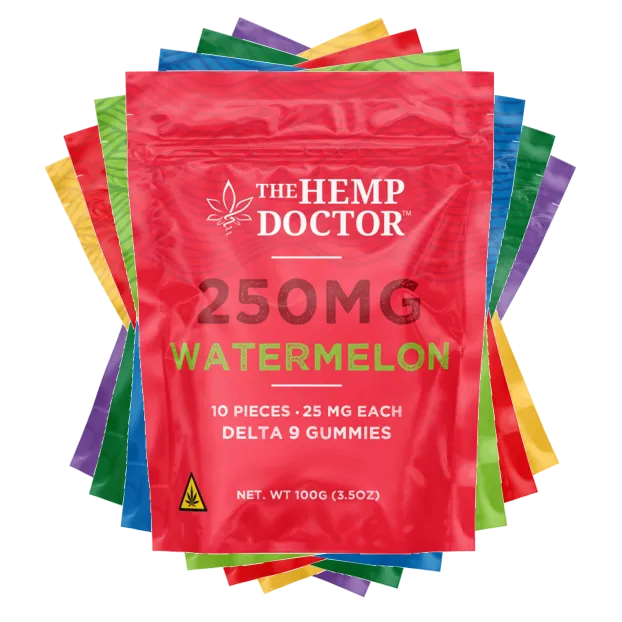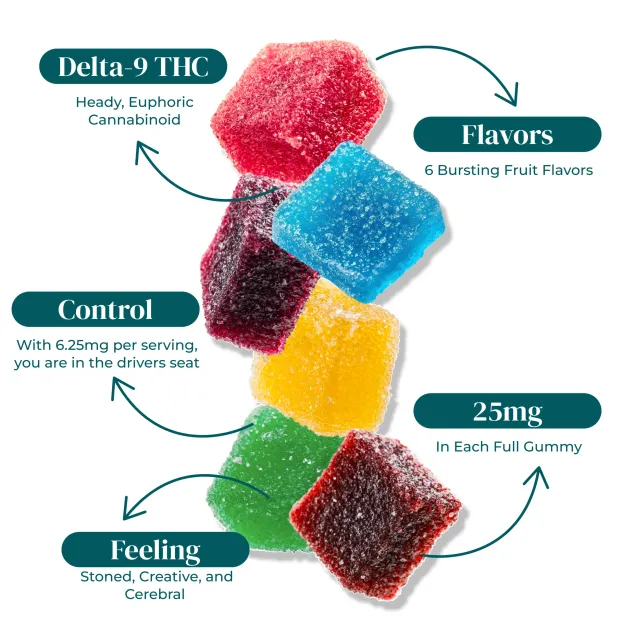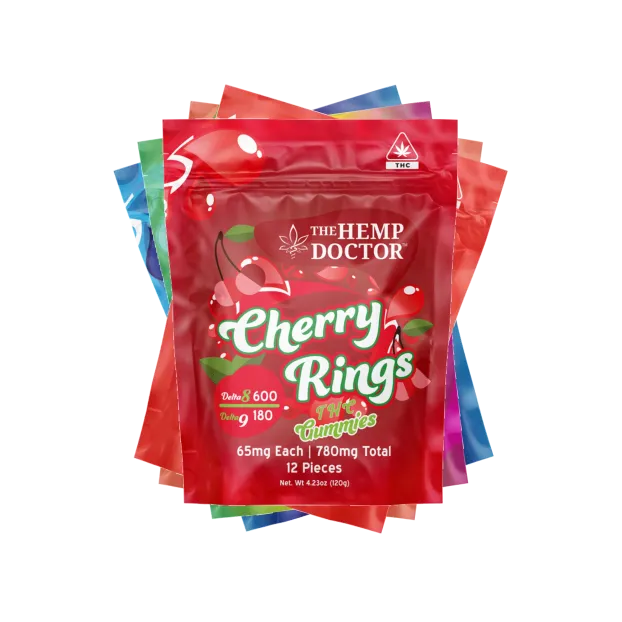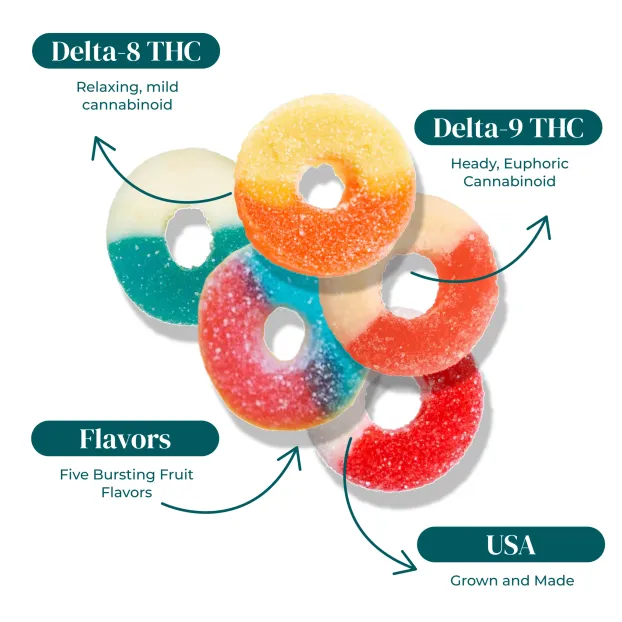


You are holding a bag of gummies in one hand and a lab report in the other. The report is a wall of acronyms, decimal points, and pass/fail columns that reads like a chemistry midterm. Or maybe you are behind the counter and a customer just asked, “Can I see the lab results?” Either way, the pressure is the same: prove this product is what the label says it is.
Here is the good news. A CBD Certificate of Analysis takes about two minutes to read once you know the five things to check, and that quick scan supports product transparency, inventory decisions, and compliance. This guide walks retailers and shoppers through every panel on the report, shows what “pass” actually means for gummies, and flags the moves that should stop a sale cold.
🔑 Key Takeaways
- A hemp COA is an independent lab report that verifies what is in one batch of a CBD product.
- The batch number on the COA must match the batch number on the package, every single time.
- Potency and screening panels carry equal weight; a potency test with no heavy metals panel is not a complete COA.
- GMP audits the production facility, a COA audits the batch, and reputable brands provide both.
- No COA, no sale. That is the rule.
What Is a Certificate of Analysis?
Quick Answer: A Certificate of Analysis, or COA, is an independent lab’s report on what is inside one batch of a CBD product. Translation: it is the receipt that helps verify whether the label is accurate.
Lab testing exists because the FDA does not pre-approve hemp-derived CBD products before they hit shelves. That regulatory gap is exactly why third-party COAs became the industry’s transparency check. The concern is not theoretical. A study by a Penn Medicine researcher, published in JAMA, found that nearly 70 percent of cannabidiol products sold online are either over- or under-labeled (Nearly 70 percent of cannabidiol extracts sold online are mislabeled, study shows | ScienceDaily), and Δ-9-tetrahydrocannabinol, or THC, was detected in 21% of samples (Inadequate Regulation Contributes to Mislabeled Online Cannabidiol Products | Pediatric Neurology Briefs). A more recent review confirmed the problem has not gone away: of 80 products evaluated, 37 contained CBD concentrations that were at least ±10% different than the concentration listed on the label, and the degree of match for the samples tested using ±10% tolerance from label claim was 54% (Label accuracy of unregulated cannabidiol (CBD) products: measured concentration vs. label claim).
Translation: without a current CBD Certificate of Analysis, you are trusting the label. And the label has a mixed track record.
Why Third-Party Testing Matters for CBD Gummies
Not all lab reports are equal. An in-house lab is run by the same company selling the product, which is a bit like a restaurant grading its own inspection. A third-party lab has no financial stake in the outcome. Look specifically for reports from an ISO/IEC 17025 accredited third-party lab. ISO/IEC 17025 is a recognized quality standard for calibration and testing laboratories, and accredited laboratories are assessed to determine they can consistently produce precise and accurate tests for cannabinoids, pesticides, and other screened materials, and have implemented a rigorous quality management system. (EVIO Labs Massachusetts Announces ISO 17025 Accreditation)
Gummies raise the stakes further. Potency can vary through mixing, heating, and coating, so the finished gummy needs its own test, not just the input distillate. If a brand tests the oil going in but never the candy coming out, you have no way to confirm whether the finished product matches the label or whether the batch is evenly distributed. That is why third-party tested CBD gummies, tested at the finished-product stage, are the standard serious retailers demand.
Picture the shopper who scans the QR code on your shelf. If nothing loads, or worse, if a marketing landing page loads instead of a lab PDF, that shopper walks. A working QR that resolves to the actual report is now part of the product, not a nice-to-have.
How to Read a COA, Step by Step
Once you know where to look, you can read a COA in the time it takes to ring up a customer. Every legitimate CBD Certificate of Analysis carries the same five pieces of information. Work through them in order.
1. Match the Batch and Lot Number
The top of the report lists a batch or lot number. That string of characters must match what is printed on the gummy package or jar. If the numbers do not match, the COA belongs to a different production run and tells you nothing about the product in front of you. No batch number, no information.
2. Check Who Ran the Test
Find the lab name, physical address, accreditation body, and the signature of the analyst who signed off. Google the lab. It should have a website, a phone number, and preferably an ISO/IEC 17025 credential you can verify with the accrediting organization. A COA with no lab identity is a COA you cannot trust.
3. Read the Cannabinoid Potency Panel
This section lists each cannabinoid detected, usually in milligrams per gram, milligrams per unit, and total percentage. Compare total CBD to the label claim. The industry-accepted window is within about 10 percent in either direction. Also confirm the THC level sits at or under 0.3% Delta-9 by dry weight, the federal threshold for hemp-derived products.
You will see two shorthand terms. ND means “not detected,” which is what you want to see for THC on an isolate product. LOQ stands for “limit of quantification,” the lowest concentration the instrument can reliably measure. Anything below LOQ is present in trace amounts too small to count.
Full spectrum, broad spectrum, and isolate gummies read the panel differently. Full spectrum should show a small legal amount of Delta-9 THC plus minor cannabinoids. Broad spectrum should show minor cannabinoids with THC as ND. Isolate should show CBD only, with everything else ND.
4. Scan the Screening Panels
Potency is only half the report. A complete COA also screens for pesticides, heavy metals, residual solvents, microbials, and mycotoxins. Each panel lists individual analytes with a measured value and a pass or fail flag against a state action limit. If any panel is missing entirely, treat the report as incomplete. A potency-only COA is not a full COA.
Heavy metals matter because hemp is a bioaccumulator, meaning it can pull lead, arsenic, cadmium, and mercury out of the soil it grows in. Residual solvents matter because CBD extraction often uses ethanol or hydrocarbons that must be removed from the finished oil before it becomes candy. Microbial and mycotoxin panels screen for unwanted materials that may appear if gummies are stored in humid environments.
5. Verify the Date and the QR Code
Check when the sample was tested. A COA more than 12 months old is stale, and fresher is better for new batches. Then scan the QR codes on the package. The QR should resolve to the lab report itself, ideally on the testing lab’s domain, not a marketing page on the brand’s site. If the QR points to a PDF hosted only by the brand with no verifiable lab URL, that is a soft flag worth a second look.
A Certificate of Analysis Example, Walked Through
Here is what the five steps look like on an actual report. Imagine a labeled sample with numbered callouts pointing to each element you just read about.
| Callout | Where to Look | What You Should See |
| 1 | Top header, right side | Batch or lot number matching the package |
| 2 | Top header and footer | Accredited lab name, address, analyst signature |
| 3 | Cannabinoid table | Total CBD within 10% of label; Delta-9 THC ≤ 0.3% dry weight |
| 4 | Screening panels | Pass flags on pesticides, heavy metals, solvents, microbials, mycotoxins |
| 5 | Header date + QR link | Test date under 12 months; QR resolves to lab-hosted PDF |
This is the piece most competitor articles skip. Reading the description is one thing. Seeing the callouts on the page is what makes the five-step scan stick.
How to Choose CBD Gummies Using the COA
Once you can read the report, choosing product gets simpler. Start with per-gummy versus per-package potency. A package labeled “300 mg CBD, 30 count” should test at roughly 10 mg per gummy. If the COA reports total package potency only, do the division yourself. If it reports per-unit potency, multiply and confirm the package math.
Homogeneity is the gummies-specific trap. When a brand runs a batch, every gummy in that run should test within a tight range of the target serving amount. If one gummy tests at 5 mg and the next at 40 mg, the batch likely has a mixing issue, even if the average looks fine on paper. Ask whether the lab tested multiple units from the same batch, not just one.
Dry-weight Delta-9 math trips up new buyers on heavy edibles. The 0.3% federal limit is a percentage of the total product weight, not a fixed milligram cap. A four-gram gummy at 0.3% Delta-9 contains 12 mg of THC. Same percentage, very different consumer experience. Do the multiplication before you stock.
| Gummy Weight | 0.3% Delta-9 by Dry Weight | Total THC per Gummy |
| 2 grams | 0.3% | 6 mg |
| 4 grams | 0.3% | 12 mg |
| 6 grams | 0.3% | 18 mg |
Finally, cross-check the ingredient list against the cannabinoids on the panel. A “broad spectrum” label with only CBD on the COA is either misprinted or misrepresented. For a deeper look at product categories, browse the wholesale CBD edibles selection when you plan reorders.
COA vs. GMP Certified CBD: What Is the Difference?
A COA and a GMP certified CBD facility answer different questions. The COA is a report card for one batch. Good Manufacturing Practices, or GMP, is an audit of the whole production facility: the standard operating procedures, sanitation logs, employee training, equipment calibration, and record-keeping that produce every batch. One tells you what came out. The other tells you how it was made.
Reputable brands invest in both. A GMP audit without batch COAs means the process is organized, but you cannot verify any specific product. Batch COAs without GMP means each test may look fine, but you have limited visibility into the production practices between batches. Audit the batch and the facility.
| Feature | COA | GMP Certification |
| What it covers | One production batch | The entire manufacturing facility |
| Who issues it | Independent third-party lab | Accrediting body or qualified auditor |
| How often | Every batch, every SKU | Annual audit with periodic inspections |
| What it verifies | Potency accuracy and screened-material results for that batch | Consistent processes, sanitation, and quality controls |
Red Flags: When a COA Should Stop the Sale
A missing or mismatched batch number is a hard stop. If the numbers do not line up, the report does not describe the product.
In-house-only testing with no independent lab signature is a hard stop. So is a potency reading more than 10 percent off the label claim in either direction, whether under or over.
A potency-only COA with no screening panels is not a complete report. Neither is an outdated date more than 12 months old on active inventory. If the QR code on the package fails to load or lands anywhere other than a lab-hosted PDF, escalate. And if the PDF shows editing artifacts, mismatched fonts, or overlapping text, assume it has been altered until the lab confirms otherwise.
For Retailers: COA Best Practices Before You Stock CBD Gummies
If you own a shop, your COA discipline is a compliance backbone, not a marketing perk. Demand batch-level certificates of analysis by SKU on every reorder, not just at onboarding. Keep the PDFs on file, tied to purchase orders and dated. Several states require retailers to produce a COA on customer request, and inspectors may ask.
Train counter staff to answer “can I see the lab results?” without hesitation. That means a printed binder, a tablet with bookmarked links, or a QR poster near the display. Customers who see confident staff and organized paperwork may be more likely to return. Customers who see a shrug may walk to the next shop.
Sourcing matters here. THD Wholesale bulk gummies ship with batch-level COAs by SKU, so you can drop the current PDF into your compliance folder the day the pallet arrives. If you are building a store from scratch, the cost-to-start-a-dispensary guide and the white label program cover the operational side.
Final Thoughts
The lab report that looked like alphabet soup a few minutes ago is now a two-minute read. Match the batch, check the lab, scan potency, scan screening panels, verify the date and QR. That is the whole job.
The rule holds in every state and every category: no COA, no sale. Retailers who enforce it support compliance and protect their reputation. Shoppers who enforce it make more informed buying decisions. If you are ready to source stock that ships with published, batch-level COAs, browse THD Wholesale bulk Delta-9 gummies or the broader edibles category and file the PDFs the day they land.
House sign-off: read the report, then make the call.
FAQ
What is a Certificate of Analysis for CBD oil?
It is the same document type used across CBD products, whether oil, gummies, or topicals: an independent lab report verifying cannabinoid content and screened-material results for one specific batch. If the product page has no COA, treat that as your answer.
How do you get a Certificate of Analysis?
Brands get one by sending batch samples to an accredited third-party lab, which tests the sample and issues a signed report. Shoppers get it by scanning the package QR code, checking the brand’s lab results page, or asking the seller directly.
Can CBD isolate show THC on a screening report?
Pure isolate should show THC as not detected on the COA, but mislabeled or poorly verified products have still shown trace THC in independent studies. Check that the COA shows THC as ND. If THC content is a concern for your personal, workplace, or legal situation, review the report carefully and choose products accordingly.
What is the purpose of a Certificate of Analysis?
It helps verify label accuracy, including whether potency matches the claim and whether the batch passed required screening panels. Since the FDA does not pre-approve CBD products, the CBD Certificate of Analysis is a buyer’s main quality check.
What should adults look for before buying CBD gummies?
Look for hemp-derived gummies from reputable sources with current, batch-matched COAs. Review the serving size, cannabinoid panel, THC level, screening panels, QR code, and state rules before purchasing. Always consult a healthcare professional before adding any new supplement to your routine.