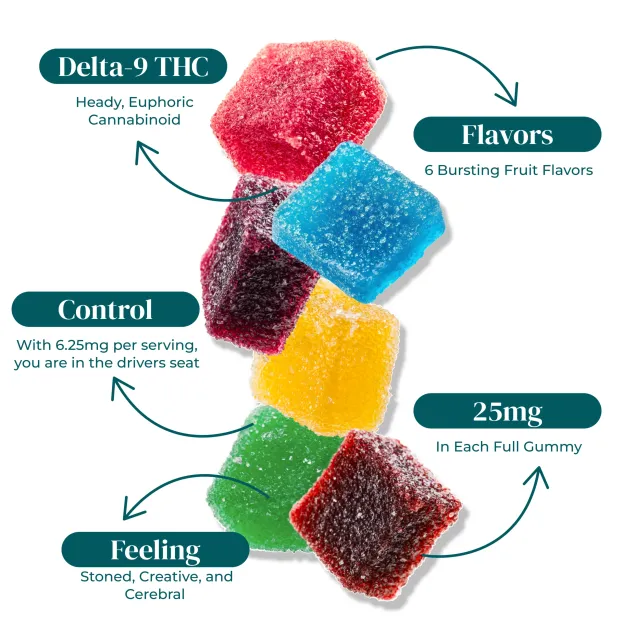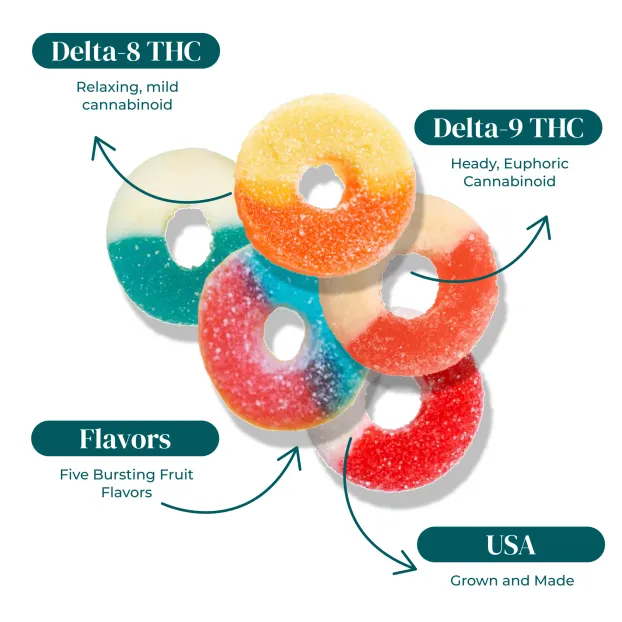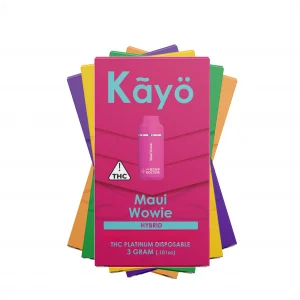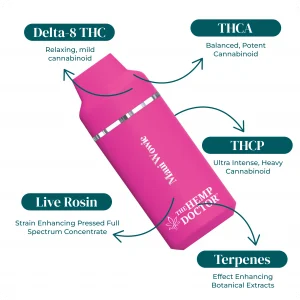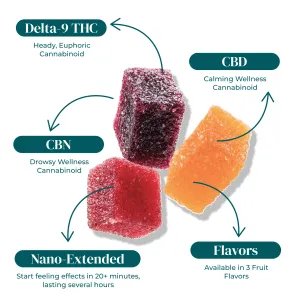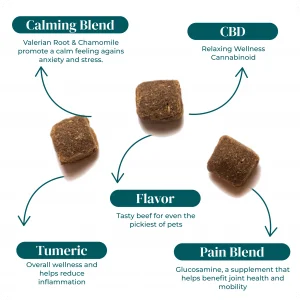

Quick Answer: Cannabis customer retention improves when your shelves follow a product ladder, because regular buyers naturally drift toward stronger serving sizes, new formats, and fresh flavors. Stock the step-up SKU (stock-keeping unit) before your customers ask for it, and you keep sales that otherwise walk to a competitor or a gas station.
Key Takeaways
- The Tolerance Reorder Effect is a product-ladder problem: your best customers leave when the item stops feeling new and you have nothing next to offer.
- A reorder-cycle table maps formats such as gummies, vapes, hemp flower, Delta 9 drinks, and CBD to typical repurchase windows and the step-up product that keeps the sale in your store.
- Staff recognition, compliant talk tracks, and public COAs do more for repeat business than any one promotion.
- Loyalty programs work best when the reward points your customer up the ladder, not sideways.
- Measuring 30- and 60-day repeat-purchase rates tells you whether the ladder is working.
Your best customers did not leave because they were unhappy. They left because the product stopped feeling new and you had nothing next to offer. That gap is where cannabis customer retention actually breaks down at the shelf.
This guide introduces the Tolerance Reorder Effect, an original framework for hemp and cannabis retail, and gives you four things you can use this week: a five-rung step-up ladder, a reorder-cycle table you can tune to your POS data, a loyalty program build that pays for itself, and compliant scripts your staff can read off the counter.
Why Retention Beats Acquisition at the Counter
Every new face in your store costs you something. Paid ads, printed flyers, grand-opening promos, and sidewalk signage all add up, and customer acquisition keeps getting more expensive as more hemp and cannabis dispensaries open in your zip code. The existing customer, by contrast, already trusts your shelf, already likes a budtender, and already drove past the gas station to see you.
That trust is the whole asset. When you retain customers over months and seasons, three things happen that an acquisition campaign cannot easily replicate. Average basket size grows because familiar buyers browse adjacent SKUs. Customer visits cluster into a predictable rhythm you can forecast. Word of mouth adds low-cost traffic that converts faster than a cold ad impression.
The math on this is boring but important. If you spend fifteen dollars to acquire a shopper and that shopper spends forty dollars once, your margin is thin and your bottom line barely moves.
If the same shopper comes back nine times in a year and climbs one tier up the product ladder on visit four, the lifetime value multiplies and your bottom line finally has room to breathe. That is what long-term retention looks like in a hemp or cannabis retail setting, and it tracks with what Bain & Company found studying retention economics more broadly: a 5% increase in customer retention produces more than a 25% increase in profit. That specific research was done in financial services, not cannabis retail, so treat it as a directional benchmark rather than a cannabis-specific number.
Still, the underlying principle holds up across categories, which is exactly why it is worth building a real system around instead of treating retention as an afterthought.
Here is the catch most owners miss. Retention is not loyalty in the abstract. It is a function of what is on your shelf when the customer walks in for the fifth time. If you have the same four gummies and the same three carts you had on visit one, the customer has already tried everything you sell. The visit ends in a question you do not want to hear: “Got anything new?”
What Is the Tolerance Reorder Effect?
The Tolerance Reorder Effect is a simple pattern that shows up in every hemp and cannabis retail setting once you look for it. Regular buyers drift. They drift toward stronger serving sizes because the familiar amount may feel less noticeable than it once did. They drift toward new formats because the ritual gets stale. They drift toward new flavors because taste fatigue is real and underappreciated.
That drift creates a fork in the road at your register. Store A has the step-up ready. The customer who bought 10 mg gummies for two months is handed a 25 mg option in a flavor they have not tried, and the sale closes without a hitch. Customer loyalty tightens one notch. Store B does not. The customer leaves empty-handed or settles for the same SKU, decides the experience feels less fresh, and drifts to a competitor the next weekend. Brand loyalty for your shop quietly ends.
Hemp-derived and cannabis products often invite a progression across strengths, formats, flavors, and quality tiers. Your retention strategy has to meet that progression on the shelf, not only in an email.
What this does and does not mean. The Tolerance Reorder Effect describes a shopping pattern, not a wellness claim. It does not mean customers must buy stronger products, and it does not mean a product has lost quality. It means the sensory novelty fades and shoppers like options. Keep your language in that lane, and you stay compliant while still speaking to what is really happening at the counter.
You can see the same drift mirrored in general consumer shopping patterns across hemp retail, where variety and tier movement drive repeat visits more than any single hero SKU. The retailers who build around that reality tend to keep their regulars longer, and it shows up in who they already are: among 10,000+ Hemp Doctor customers surveyed, 66.5% are 45 or older, and 56.5% have been buying hemp products for three or more years. That is not a first-time audience to educate from scratch. It is a veteran base that already knows roughly what it wants and notices fast when the shelf stops offering anything new.
The Cannabis Customer Retention Framework: Build a Step-Up Ladder
A step-up ladder is the center of this cannabis retail strategy. Five rungs, each with a clear job, each mapped to a THD Wholesale category you can stock today. The ladder is designed to be easy to understand for your staff and easy to read on a shelf tag.
Rung 1: Entry. The lowest-strength option your store carries, usually a CBD gummy or a mild Delta-9 product. The job here is a confident first purchase.
- Instead of: “10 mg per gummy, broad-spectrum.”
- Say: “A gentle starting option many of our new shoppers come back for.”
Rung 2: Everyday. The mid-range workhorses, typically Delta-8 gummies or a standard disposable vape. The job is repeat predictability.
- Instead of: “25 mg Delta-8, 30-count jar.”
- Say: “The jar most of our regulars keep stocked at home.”
Rung 3: Step-Up. Higher-strength tiers such as THCA flower or stronger Delta-9 edibles. The job is to catch the drifting regular before they leave.
- Instead of: “22% THCA, indoor-grown.”
- Say: “A stronger pick many customers move to after a few months on the everyday jar.”
Rung 4: New Format. The lateral move. A drink mix for a gummy buyer, a live resin cart for a disposable buyer, a tincture for a flower buyer. The job is novelty without a strength jump.
- Instead of: “Nano-emulsified beverage enhancer.”
- Say: “A new way to enjoy a product you already like.”
Rung 5: Premium. Top-shelf flower, live resin, or small-batch gummies. The job is to reward quality-first shoppers and anchor your margins.
- Instead of: “Hand-trimmed, single-source indoor.”
- Say: “A fuller shelf-quality bud for your quality-first shoppers.”
Mapping those rungs to your buying list is the practical move. Delta-9 fits rungs 1 and 2. Delta-8 covers rungs 2 and 3. THCA sits firmly at rung 3 and often rung 5. CBD anchors rung 1 and reappears at rung 4 as a format shift.
Vapes slide across rungs 2, 3, and 4 depending on hardware and oil quality. Edibles cover the widest span of any format, from a rung-1 CBD gummy to a rung-5 small-batch gummy, which is exactly why the edibles category is worth watching most closely for step-up opportunities. Build the ladder once, print it on the back of your buy sheet, and your purchasing stops being guesswork.
Now land the ladder on a reorder clock. The table below is a starting point. Treat the windows as estimates and overwrite them with your own POS data within sixty days. Your store’s rhythm will differ by region, climate, and clientele.
| Format | Typical reorder window estimate | Step-up product | Say this |
|---|---|---|---|
| Gummies | 2 to 4 weeks | Higher-mg tier or new flavor | “Many regulars like to try the next tier up.” |
| Disposable vape | 1 to 3 weeks | Live resin cart or new strain | “A richer flavor profile many customers prefer.” |
| Flower | 2 to 3 weeks | Premium indoor THCA | “A fuller shelf-quality bud for your quality-first shoppers.” |
| Drink mix | 3 to 5 weeks | Variety pack or higher-mg single | “A new way to enjoy a product you already like.” |
| CBD tincture | 4 to 6 weeks | Higher-strength bottle or softgel | “A convenient next step for daily routines.” |
| Pre-rolls | 1 to 2 weeks | Infused or premium flower pre-roll | “A smoother, slower-burning pick for weekend shoppers.” |
| Concentrates | 3 to 5 weeks | Live resin or badder format | “A fresher terpene profile many enthusiasts prefer.” |
Use the table for two decisions a week. First, which SKU is overdue for a reorder based on your average cycle. Second, which step-up SKU should be sitting next to it on the shelf before the customer asks. That is cannabis customer retention expressed as inventory, not as a coupon.
Reading your own location matters here too. Clay Kramm from Sales has watched stores a few miles apart need completely different product mixes:
“You can have two stores in the same town that are five miles apart, and one store may be more flower heavy on sales and pre-rolls, whereas the other store may be more edible and beverage heavy.”
Build your version of the table from your own POS, not a generic template. The format mix that retains your regulars is specific to your store, not the industry average.
Train Staff to Recognize Repeat Customers
Software can log a customer, but a budtender notices one. Train the counter on three moves in order: Recognize, Reward, Reinforce.
Recognize means greeting by sight or name when possible. Reward means a small, authentic gesture such as a sample sticker or a first look at a new arrival. Reinforce means naming the next step on the ladder without pressure.
Samantha Evers, The Hemp Doctor Retail Location Marketing Strategist, who built her retail training around exactly this kind of attentiveness, puts it this way:
“If you don’t put something in front of your customer with a reason that it’s going to work for them, they’re never going to discover it. A staff that has more understanding, that they’re able to guide a customer base, is going to close more sales.”
The three talk tracks below cover most counter conversations. Keep them short, keep them compliant, and never promise a specific result.
The regular. “Good to see you back. We just got the next tier up in that flavor family. Many of our regulars have been picking it up alongside the usual. Want to add one?”
The lapsed customer. “It has been a minute. A couple of things have landed since your last visit. Can I show you what is new in the format you usually buy?”
The first-time buyer coming back. “Welcome back. Did you enjoy the first one? If you liked it, there is a slightly stronger option a lot of second-time shoppers try next.”
The compliance guardrail is the same across all three. Say this, not that. Say “many customers prefer,” not language tied to a health outcome. Say “a stronger tier,” not “a stronger medicine.” Say “a fuller flavor profile,” not a claim about how the product will make someone feel. Your staff should repeat preference language, avoid wellness guarantees, and never make serving-size recommendations for an individual shopper.
Pair the talk tracks with simple sales training on hemp specs so your team can answer the three questions that drive the most hesitation: what is in it, where did it come from, and how is it tested. A short budtender training guide on your back wall works better than a long handbook no one reads.
Finally, use marketing social media as a reinforcement loop rather than a megaphone. A weekly post that shows a new arrival on the ladder, tagged with the format and flavor, tells your regulars what to ask about on their next visit. That is retention marketing that costs nothing and feeds directly into counter conversations.
Build Effective Loyalty Programs That Customers Understand
Loyalty rewards work when the shopper can explain the program in one sentence. If your staff cannot explain it in one sentence, your customer never will. That is the test. Effective loyalty programs are not clever. They are clear.
Three structures cover almost every hemp and cannabis retail setting. Each has trade-offs worth understanding before you commit.
| Program type | How it works | Pros | Cons |
|---|---|---|---|
| Points-based loyalty program | Earn X points per dollar, redeem for dollars off | Flexible, scales with basket size | Can feel abstract, slow to reward |
| Tiered program | Spend thresholds unlock bronze, silver, gold perks | Rewards long term loyalty, nudges step-up | More complex to explain |
| Punch card | Buy nine, get the tenth free or discounted | Easy to understand, instant gratification | Hard to tie to specific SKUs or margins |
A points-based loyalty program is the most common because it fits almost any POS. A tiered program pairs best with the ladder in this guide because higher tiers can unlock access to premium rungs. Punch cards still work for single-format shops with a hero SKU.
Choosing rewards that fit your margins is where most point systems quietly fail. Giving ten percent off everything flattens your margin across the board. A smarter move is offering rewards on the step-up product, which lifts the customer up the ladder while protecting your bottom line. For example, a sample of a 25 mg gummy for a shopper who has bought 10 mg gummies four times is cheaper than a blanket discount and more likely to produce the next full-size sale.
This is worth taking seriously because of what actually drives loyalty for shoppers who already buy from you. 52.1% of The Hemp Doctor customers named product quality and consistency as the number one reason they chose the brand, well ahead of the 36.6% who cited price.
A rewards structure that competes on the product tier, not the discount, is closer to what retains your customers than a program built entirely around dollars off. Leaning on price alone to win repeat business also runs against what cannabis retailers are finding works best. As one Maryland retailer put it in a recent industry feature on moving past discount-driven loyalty: “Stop leading with price and start leading with purpose. If your only strategy is to be cheaper, you’re replaceable.”
A dispensary loyalty program in a licensed market has to follow the state’s rulebook, and state laws vary considerably. Some states cap discounts, some restrict free product promotions, and some require loyalty terms to be filed with the regulator. Hemp retailers in non-licensed markets have more flexibility but should still write a plain-language terms page and keep records of redemptions.
The frame to pitch internally and externally is a win win. The store wins because repeat visits grow and inventory turns faster on step-up SKUs. The customer wins because the reward matches the progression they are already considering. The customer wanted to try the next tier anyway. Your program just made the first try cheaper.
For additional strategies on structuring your retail sales approach around repeat business, our sales guide covers broader tactics worth layering on top of the ladder. The short version here: tie every reward to a rung on the ladder, and the program starts paying for itself in month two.
Stock for Repeat Buyers: Hemp Inventory Management
Hemp inventory management for retention is a different discipline than inventory management for acquisition. You are not stocking to fill the shelf. You are stocking to meet the drift of your existing customer base. That means the step-up SKU has to be on the shelf before the customer asks for it, not two weeks after.
Start by pulling your top twenty repeat items out of your POS and matching each to the reorder-cycle table above. Any SKU whose average days between purchases is shorter than your lead time from suppliers needs safety stock. For gummies and vapes especially, running out at week three of a four-week cycle can cost you repeat visits.
Rotation for new arrivals is the second lever. Every two weeks, one new SKU should land on the step-up rung for each major format. That cadence gives your regulars something to notice without overwhelming your buy budget. If a new arrival does not pull through within thirty days, pivot. Pull it from the endcap, move it to a lower shelf, and replace the slot with a different format or flavor.
A product pivot is not a failure. It is information. The SKU told you something about your customer base. Keep the data, feed it into the next buy, and reorder with better aim. Watch our recently stocked feed to track what is landing at THD Wholesale each month, and check the current deals page for margin-friendly step-up options.
Seasonal planning matters here too. Black Friday and Cyber Monday are the single highest-opportunity week for moving regulars up the ladder, since the holiday shopper is already in a trial mood. A bundle that pairs an everyday SKU with a step-up SKU gives that mindset somewhere to land. Our guide to structuring Black Friday deals covers additional promotion tactics worth layering into that week specifically.
The last piece is shelf logic. Place the step-up SKU within arm’s reach of the everyday SKU, not across the store. The physical adjacency does more for conversion than a sign ever will. A regular picking up their usual jar should see the next tier up without having to walk.
Trust Is the Retention Asset: Lab Results and Transparency
Your customers return to shops that can clearly show what is in the product. In a category still shaking off decades of gray-market baggage, a publicly posted Certificate of Analysis is one of the most powerful retention assets you can offer. It is the quiet reason a shopper picks you over the gas station even when the gas station is closer.
Make the COA easy to find. Print a QR code on your shelf tag that links straight to the lab result for the batch on the shelf, not the brand’s homepage. A shopper who scans and sees cannabinoid potency, pesticide screens, and heavy-metals results confirmed by a third party has more information to support a purchase decision.
Train your staff to walk a customer through a COA in under thirty seconds. Point to the cannabinoid profile, point to the pass marks on contaminants, point to the batch number. That short walkthrough builds more customer confidence than many discounts. It also makes the eventual step-up conversation easier, because trust transfers from one SKU to the next.
That transfer of trust is backed by what customers themselves report. 26.7% of our customers named trust in lab testing and COA transparency as a key reason they chose the brand, more than one in four. It also lines up with what cannabis industry reporting has found looking across the category: loyalty is increasingly built on trust, predictability, and a consistent customer experience rather than chasing the highest potency number on the shelf. A shopper who can verify what is in the product and knows roughly what to expect from it is the one who comes back.
Our full lab-results library sits at /lab-results/ and is designed to be linked directly from your product pages. Transparency compounds. Shops that lean into it may see fewer returns, fewer refund disputes, and more customers who name the shop when their friends ask where to buy.
How to Measure Retention
You cannot improve customer retention if you do not measure it. Three numbers tell you most of what you need to know, and all three come straight out of a competent POS.
Repeat-purchase rate at 30 and 60 days. The share of first-time buyers who return within those windows. A healthy hemp retail store may land between 25 and 40 percent at thirty days, with top performers above 50. If your number is below 20, your ladder may have a gap at rung 2 or rung 3.
Average days between orders. Calculated per SKU and per customer. If this number is growing, your regulars may be drifting and you may not have a step-up ready. If it is shrinking, your ladder may be working.
Step-up conversion rate. The share of repeat buyers who move from their usual SKU to a higher-tier or new-format SKU within ninety days. Twenty percent is a solid floor. Thirty percent may mean your merchandising and staff training are aligned.
A good customer retention rate is not a universal number. It is a benchmark against your own last quarter. Watch the trend, not the absolute. If the three metrics above move in the right direction for two quarters, the ladder is likely paying off.
Bringing It Together
Retention is a product-ladder problem as much as a marketing problem. Points and SMS blasts have their place, but the shelf is where cannabis customer retention is actually won or lost. Build the five-rung ladder, tune the reorder cycle to your own POS data, train the counter on Recognize-Reward-Reinforce, and tie every loyalty perk to the next rung up. The drift your regulars are already experiencing becomes a sale that stays in your store instead of walking across the street.
Ready to stock the ladder? Browse Delta-9, Delta-8, THCA, CBD, and wholesale vape categories at THD Wholesale to see the tiered options and publicly posted lab results built for repeat buyers. When you are ready to map a buy sheet to your reorder cycle, contact the THD Wholesale team and we will help you line it up rung by rung.
FAQs
This article is for informational purposes only and does not constitute legal, financial, or medical advice. Loyalty and discount rules vary by state; check your local regulations before launching a program.