

Strong dispensary customer engagement skills are key to your cannabis retail business success, as your team’s interactions with potential customers directly impact your bottom line.
Dispensary customer engagement isn’t about aggressively pushing the customer to make a purchase. It’s exactly the opposite. Customer engagement focuses on ensuring that everyone who walks into your dispensary makes a choice, feels guided in that choice, and leaves with a reason to come back.
By asking the right questions, you can turn casual browsers into buyers and, eventually, into long-term customers.
In this guide, we share proven retail conversion tips, open-ended questions, and strategies that make every sales conversation feel effortless. Read on.
🔑 Key Takeaways
- Using a closed-ended opener question may stop your sales script before it starts.
- Using an open-ended question is better than a standard opener, which can lead the customer to decline with a one-word answer.
- Strong dispensary customer engagement strategies start with the greeting and go beyond the purchase.
- A structured approach to customer engagement will build trust with shoppers and is likely to convert.
- Product knowledge builds trust and helps customers make confident choices, increasing chances of a repeat transaction.
What Dispensary Customer Engagement Really Means in Cannabis Retail?
Simply put, dispensary customer engagement is how your team connects with potential customers. This covers everything from their first impression to after-purchase follow-ups.
Cannabis is a highly regulated industry. As such, there are restrictions on how you can market your dispensary to gain new customers. For example, even with scientific evidence, you cannot claim that your cannabis products may benefit health.
There are restrictions on billboards and advertisements, and unlike most industries, you can’t just offer free samples at the door. That makes the interaction between your team and the potential customer the primary way to earn sales.
Customer engagement is beyond small talk. Customers want to know which strains and product formats best fit their lifestyles. Customer engagement also includes how your team approaches, guides, and closes, what happens after the purchase, loyalty programs, and the overall dispensary customer service.
You must understand the customer’s needs, inform and educate them to effectively turn them into buyers. To do that, you must have a complete understanding of your product offerings. Otherwise, how will you make informed product recommendations?
Done well, dispensary customer engagement becomes your most durable competitive advantage.
After all, competitors can match your prices and stock similar products. Therefore, the only way you can truly stand out from your competitors is through an outstanding dispensary customer experience that makes your customers take notice and trust you.


The 3 Make-or-Break Moments That Decide the Sale
Here are three moments that determine whether your cannabis business makes the sale:
Moment 1 — The First 30 Seconds (Greeting + Permission)
The opener can make or break the sale, especially with new customers. The standard retail greeting “Need help?” just won’t cut it. This classic opener doesn’t work as it’s a closed-ended question that can be quickly declined with a “no, thanks.”
Remember, many cannabis customers are hesitant or new, and in an industry that hasn’t fully shaken the stigma, a closed-ended question means a “no, just looking” may be the easier exit for the customer.
The fix is simple: train your staff on permission-based, open-ended question sales techniques.
Instead of “need help?” try “what kind of experience are you looking for today?” This encourages a more detailed response, makes new customers feel at ease, and lets them know you are there to help.
Moment 2 — The Recommendation Moment (Education → Confidence)
This is when the budtender moves from listening to recommending. This is a critical stage, as your staff’s product knowledge can either create confusion or earn a customer’s trust.
Customers expect to be educated. They want to know what a product will make them feel so they can make the right decision.
If the budtender doesn’t have strong product knowledge or doesn’t break down industry jargon into something the shopper can understand, there is a risk the customer will choose something random or leave without a purchase.
Before moving to this stage, the budtender must identify the customer’s desired effect. The goal is to narrow the entire shelf to two or three relevant options or even a personal recommendation.
Think of something like “You said you want a product that will help jumpstart your mornings? Here is what I’d go with. We also have a lighter option that is more forgiving for beginners.”
This may also be a chance for the budtender to educate the customer on the various types of products, eg, the effects of sativas and indicas, and how various terpenes and cannabinoids affect the overall weed experience.
Fewer choices, with clear framing, will help the customer make a decision more quickly than trying to educate them on the whole menu.
Moment 3 — Checkout + After-Store Experience
Most teams think that once the customer settles on a product, their work is done. They can’t be more wrong. Knowing the right sales questions to ask customers can make for a good floor experience, but a poor checkout process can ruin it.
The checkout and the after-store experience are where most dispensary customer service falls apart. This can reverse all the goodwill you have earned so far.
To improve the experience, you want an easy checkout process that doesn’t make customers feel rushed. Verify that the customer’s selection aligns with the effects they want, and offer to enroll them in a loyalty rewards program that provides discounts on subsequent purchases.
A good opener may get you a one-time sale, but a full experience keeps your dispensary top of mind.
The Budtender Conversation Map (Unique Value #1)
Here’s a 5-step conversation map that boosts conversion rates and encourages repeat visits.
The 5-Step Flow (printable)
Step 1: Ask permission: Don’t jump straight into the pitch. Show genuine interest with questions such as “What are you looking for today?” “Is this your first time in?” This tells the customer you are there to help.
Step 2: Identify desired feeling/timeframe: Identify the effects a customer is looking to achieve first before you recommend. Does the client want an energizing experience or relaxation? Do they want something for evening or daytime use?
Step 3: Choose format: What’s the customer’s preferred consumption method? Knowing whether they want to smoke or vape, eat or take cannabis as a tincture can help eliminate whole categories quickly.
Step 4: Confirm strength preference: “Do you know your tolerance levels, or would you rather start with something light?“ Always confirm the customer’s strength preference. This reduces the risk of a bad experience, which is a guaranteed way to miss out on a repeat purchase.
Step 5: Offer 2 strong options and 1 budget option. As mentioned before, provide 3 suggestions: your top pick, a close substitute, and an affordable option. This reduces decision time significantly while giving them clear choices.
10 Open-Ended Questions Sales Teams Can Use
Here are some open-ended sales questions to ask customers and when to use them:
Beginner-friendly:
- Are you new to cannabis?
- What kind of experience are you looking forward to today?
Effects and time window:
- Are you looking for an energy boost, total relaxation, or a little bit of both?
- Do you want a product that you can consume in the evening or during the day?
- Are you hoping to stay functional after consumption?
Format preference:
- How do you like to take cannabis? Vaping, smoking, or eating?
- Do you have a preferred method of consuming cannabis, or are you willing to try something new?
Flavor or terpene preference:
- Between fruity, earthy, and gassy strains, what do you prefer?
- What are your favorite flavors, or are you willing to try new strains?
“What’s top of mind today?”
- What product or strain has worked well for you before?
3 Objection-Handling Lines (Non-pushy)
Take note of the customer’s objections, and when your recommendations are rejected, don’t press the issue, as it can come across as pushy.
Here are a few examples of how to handle objections:
- “Totally fair, would you prefer to start with something lighter as you get a feel for it?”
- “If you’d rather stay functional, here’s a strain that many people say works without being overwhelming.”
- “I can’t speak to medical outcomes, but many customers say they rest better when they smoke this indica.”
10 Retail Conversion Tips That Don’t Feel Pushy
The most effective dispensary customer engagement strategies are about reducing friction, asking the right questions, and helping potential buyers make informed decisions. Not pressuring people into a purchase.
Here are 10 tips to improve conversions without sounding aggressive:
1. Invite the potential customer into a conversation.
Replace the “need help?” with an open-ended opener to start a real conversation. Using a closed-ended opener allows a customer to decline using a simple “no,” missing the chance for a guided conversation.
2. Pay attention to the customer’s goals.
Focus on what the customer aims to achieve with cannabis. Do they want relaxation, an energy boost, or both? Avoid jumping straight into product recommendations or using sales scripts without context.
3. Be careful not to overwhelm the customer.
If presented with too many options, a new customer may feel overwhelmed. You need to put them at ease, listen and understand their goals, offer guidance, and give them time to make a decision.
4. Recommend 3 product options.
Present the customer with three options that align with their desired experience. Two strong options and one budget pick to simplify the decision-making.
5. Recommend by use case, not just category.
Telling the customer a product is indica or sativa may not help them much. Instead, tell them this is perfect for “energy,” “night in,” “relaxation,” or “mornings.”
6. Give reasons for your recommendations.
Avoid just mentioning products. Explain why you are recommending one product when there are other options. This demonstrates product knowledge and helps build trust.
7. Use “new customer language.”
Some customers are walking in for the first time and may not understand common industry terms or products. Use simple language that informs and educates.
8. Use soft social proof.
Mention what other customers do, choose, or feel to help the shopper feel comfortable with their decision. Use phrases like “a lot of people pair this with” or “this has been the most popular edible this week.”
9. Recap before checkout.
Confirm that the customer is confident in their choice. Catching product mismatch lowers return rates.
10. Start planning for the return visit.
Encourage the customer to enroll in your loyalty rewards program, as this plants the idea of a return visit. Also, invite feedback and follow up after purchase. A simple email or message on social media may help build a long-term relationship.
Dispensary Customer Service That Builds Trust (and Repeat Visits)
Dispensary customer service calls for a uniform and consistent approach from all budtenders. Every customer should get the same quality experience at your dispensary, each time they visit.
To ensure consistency, you can adopt a simple service standard for all floor staff. The Greet, Guide, Confirm, Close approach is the best example.
- Greet: Initiate a conversation with an open-ended opener. Avoid questions that a customer can decline with a one-word answer.
- Guide: Before making recommendations, use open-ended questions sales techniques to identify the customer’s goals and preferences. Guide them through the available options, how to consume different products, and the effects they can expect.
- Confirm: Verify that the recommendations align with the customer’s desired results.
- Close: Help the customer through checkout, establish future cannabis dispensary customer engagement plans with reward programs, and invite feedback.
Product Knowledge Without Overclaiming
Product knowledge is essential when dealing with both new and seasoned consumers. Customers expect you to provide clear, transparent, and detailed information that makes the decision-making process easier.
A knowledgeable budtender should know how to educate and direct a customer toward the experience they want without overpromising or making unverifiable claims. This reduces complaints and ensures few returns.
Your team should, therefore, know how different strains, formats, and cannabinoid or terpene ratios work and their effects, and pass this information on without making health claims or overpromising.
Compliance-safe Phrasing Bank: What to Say
One of the challenges dispensaries face is educating the customer without making health claims or overpromising. Here is how to stay compliant and helpful:
| Instead of this | Say this |
| “It has medical benefits.” | “A lot of customers report feeling fantastic after consuming this product.” |
| “This will help reduce anxiety.” | “This one is popular with customers who want to feel more relaxed.” |
| “It will improve sleep.” | “Customers who use this in the evening often buy more.” |
| “This is good for pain.” | “This is popular with people who come here seeking physical ease.” |
Loyalty Programs That Actually Improve Customer Engagement
Dispensary customer engagement doesn’t end when their money hits the cash register. As a dispensary owner, your objective is to turn as many one-time purchases into repeat transactions by leveraging tools like the loyalty program.
Which Loyalty Structure Fits Your Store?
Here are some of the most popular loyalty program structures for cannabis dispensaries:
- Points-based: The customer earns points each time they pay for something. The points can be redeemed for discounts or free products later on.
- Tiered structures: When the customer spends a specific amount or subscribes to a newsletter or any dispensary program, they unlock a new level that offers exclusive rewards or perks. This motivates customers to unlock the next levels.
- Cashback: The customer earns a percentage of their transaction amount as store credit.
- Memberships and subscriptions: Offer unique perks for people who join members-only programs or subscribe to newsletters or social media channels. Benefits can include early access to new products, exclusive offers, and discounts.
Loyalty Best Practices (Keep It Simple + Promote Consistently)
How do you set up a loyalty program that encourages a customer to make repeat purchases? Here are some tips:
- Fast, mobile-friendly enrollment: An easy enrollment process that takes a few seconds on the customer’s phone will yield better results than one that requires them to fill out a paper form or install an app.
- Staff scripts it at checkout: Make loyalty rewards programs part of the close. Always ask to enroll the customer at checkout by clearly stating the benefits it offers.
- Use a “bounce-back” reward for repeat visits: Offer a credit or discount tied to the next purchase. This gives the customer a reason to return.
Engagement KPI Scorecard
Here are some KPIs to track when assessing the effectiveness of your dispensary customer engagement:
| KPI | What it means | Healthy range | What to fix if it drops |
| Conversion rate | Percentage of visitors who make a purchase | 20% to 40% | Reevaluate staff engagement strategies |
| Return Purchase Rate (RPR) | Percentage of customers who return to make a second purchase | 30% to 50% | – Strengthen loyalty programs – Work on the overall dispensary customer experience |
| Product Returns | Percentage of products returned following customer dissatisfaction | Low | – Improve product knowledge – Follow up on the issue |
| Average order value | Spend per customer per transaction | $70 to $100 | Create bundles and upsell add-ons |
Conclusion
Mastering dispensary customer engagement is essential in today’s competitive yet highly regulated industry. With restrictive cannabis advertising regulations, customer engagement strategies are the easiest way to drive long-term value.
From the greeting to the post-purchase follow-up, every engagement affects how customers perceive your brand and contributes to their decision to buy or make repeat purchases.
You can make every interaction memorable and increase conversions by equipping your team with the right tools, such as loyalty programs and the smart retail conversion tips listed above.
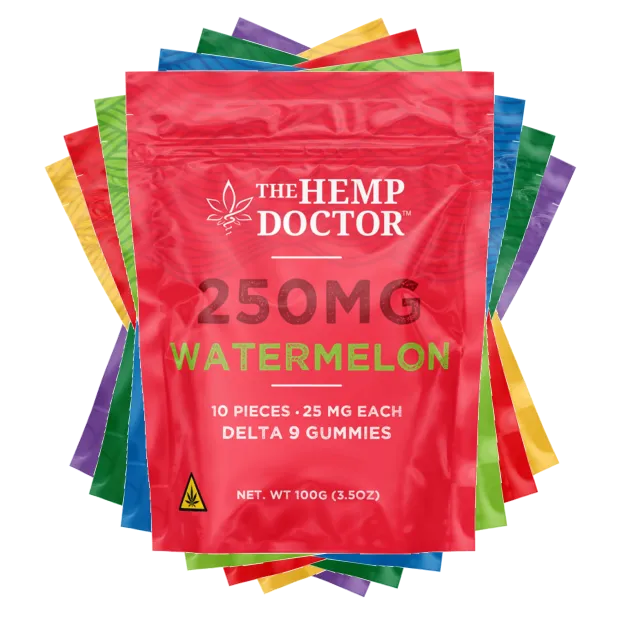
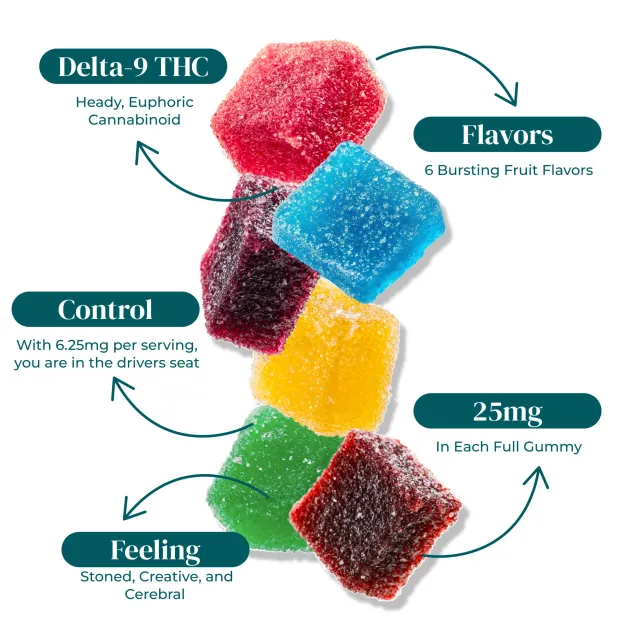
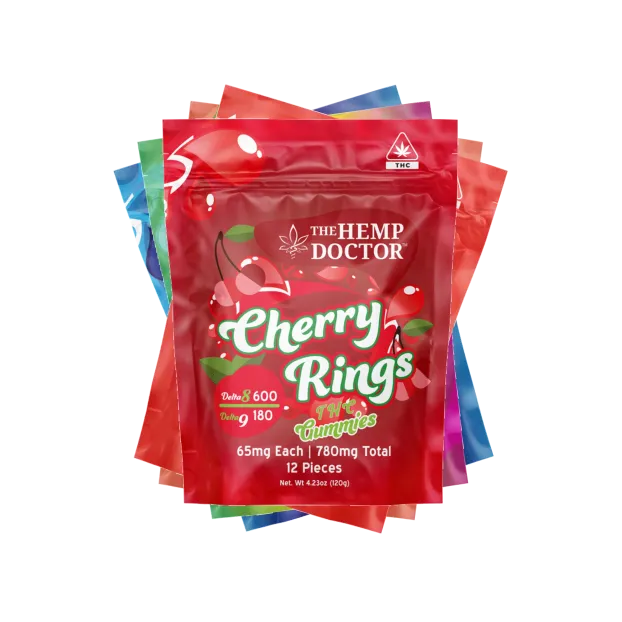
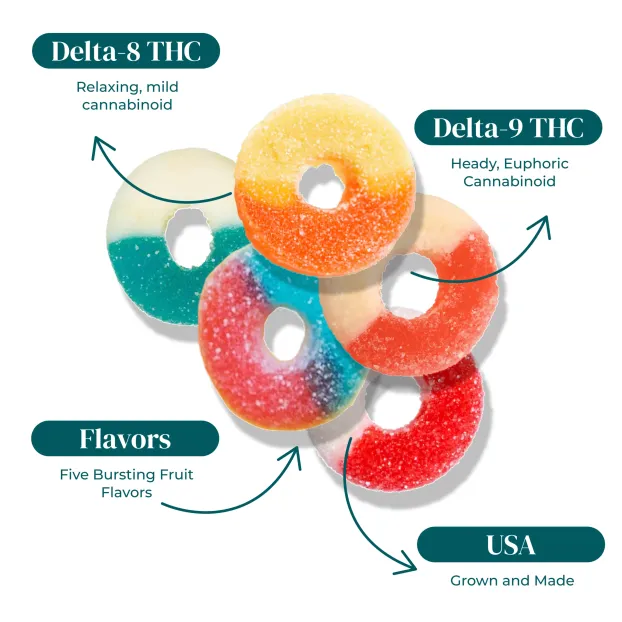
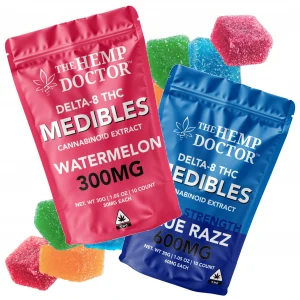
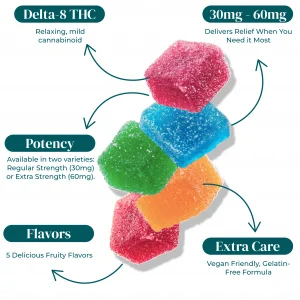
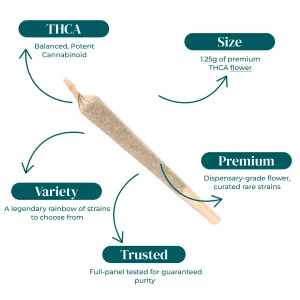
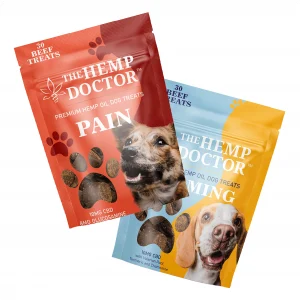
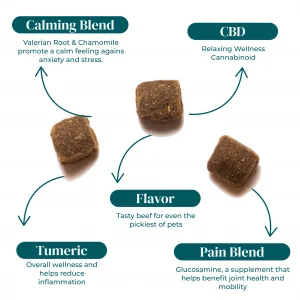
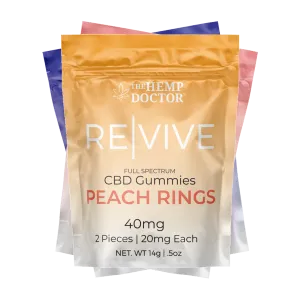
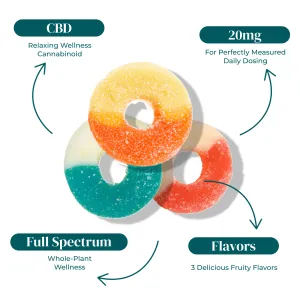
And while top-notch dispensary customer engagement keeps people interested, stocking the right wholesale products from The Hemp Doctor helps turn casual browsers into confident buyers.
Apply to become a wholesaler of The Hemp Doctor today!