
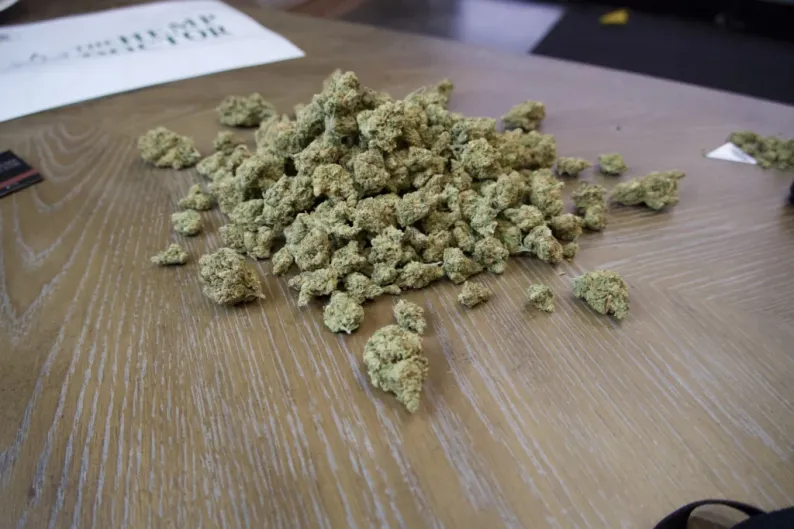
Even seasoned cannabis enthusiasts are confused by the numerous cannabis lingo terms these days. One you might have heard of is a “QP of weed.”
Someone may have enlightened you and explained that it is short for a quarter pound, only to make you ask more questions. “How much is a QP of weed?” “What does a QP of weed look like?” “Is a QP enough for my personal use?”
To put things in perspective, a QP of weed is roughly 113.4 grams. That amounts to a total of four ounces.
As you read through, not only will your questions be answered, but you will also gain much better insights into how to make the most of your hard-earned money on your cannabis flower.
Be sure to read until the end.
How Much Weed is “QP of Weed?”
Quarter Pound (QP) Weed Conversion Tool
Enter how many quarter pounds (QP) you want to convert.
*All amounts are approximate. Joint count assumes ~1g per joint.*
As the name suggests, a quarter pound is one-fourth of a pound, which equals four ounces. Below is a quick breakdown showing how it converts into other common weed measurements.
| Measurement Type | Approximate Amount in a QP |
|---|---|
| Grams | 113.4 grams |
| Quarters | 16 quarter-ounces |
| Halves | 8 half-ounces |
| Eighths | 32 eighth-ounces |
| Dime bags | 226 (per 0.5 grams dime bag) |
| Dub sacks | 56 to 60 |
| Joints | Between 100 and 200 (0.5 to 1 gram per joint) |
Based on those conversions, here’s an estimated cost for each unit of measure, using typical mid-tier pricing:
| Measurement Type | Approximate Amount in a QP | Price Range / Mid-Tier Estimate |
|---|---|---|
| Grams | 113.4 g | $900 – $1,350 ($8–$12 per gram) |
| Quarters | 16 quarter-ounces | $1,040 ($65 per quarter) |
| Halves | 8 half-ounces | $640 – $1,440 ($80–$180 per half) |
| Eighths | 32 eighth-ounces | $1,120 – $1,600 ($35–$50 per eighth) |
| Dime bags | 226 (0.5 g each) | $2,260 ($10 per dime bag) |
| Dub sacks | 56–60 | $1,134 (56.7 at $20 each) |
| Joints | 100–200 (0.5–1 g each) | $1,000 – $2,000 ($10–$20 per joint) |
It is important to note that these figures are based on the most recent pricing trends of the past year. These numbers will fluctuate with market movements.
What Does QP of Weed Look Like?
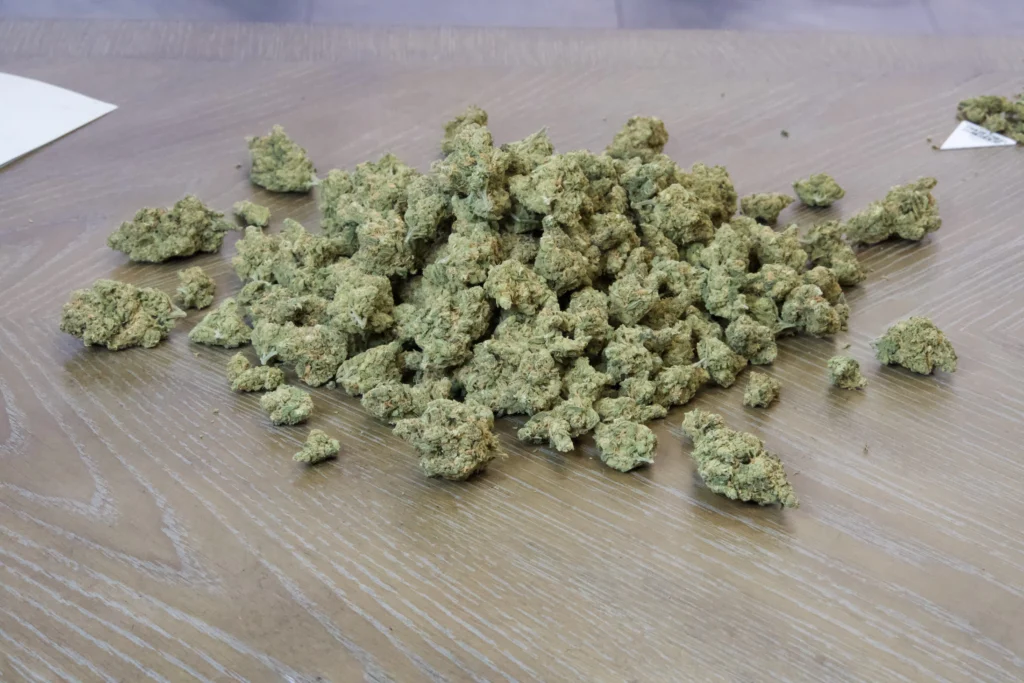
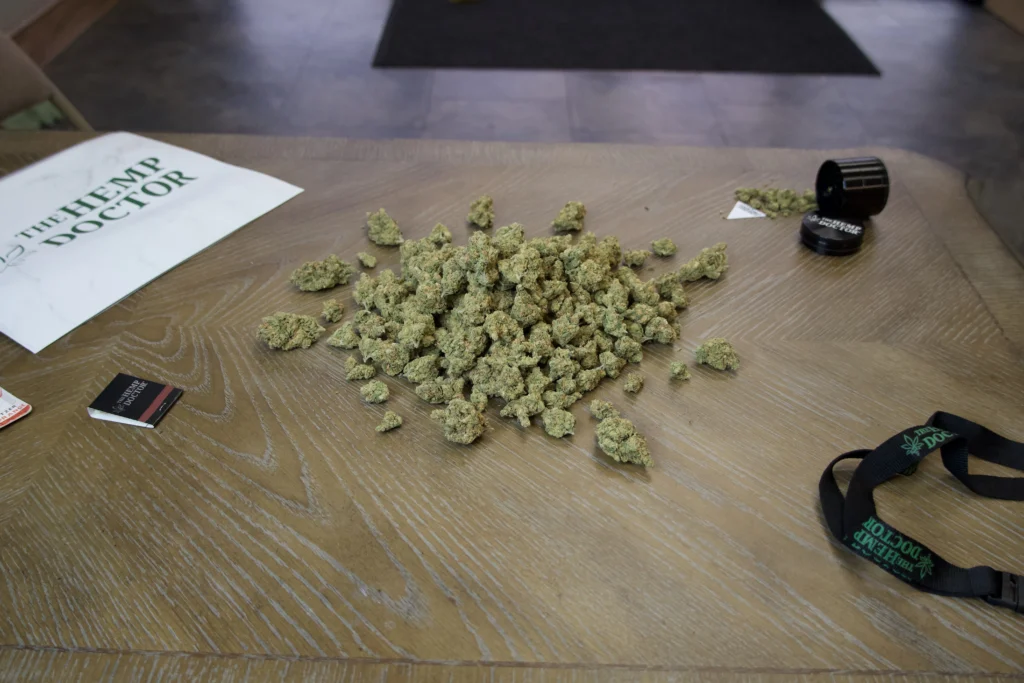
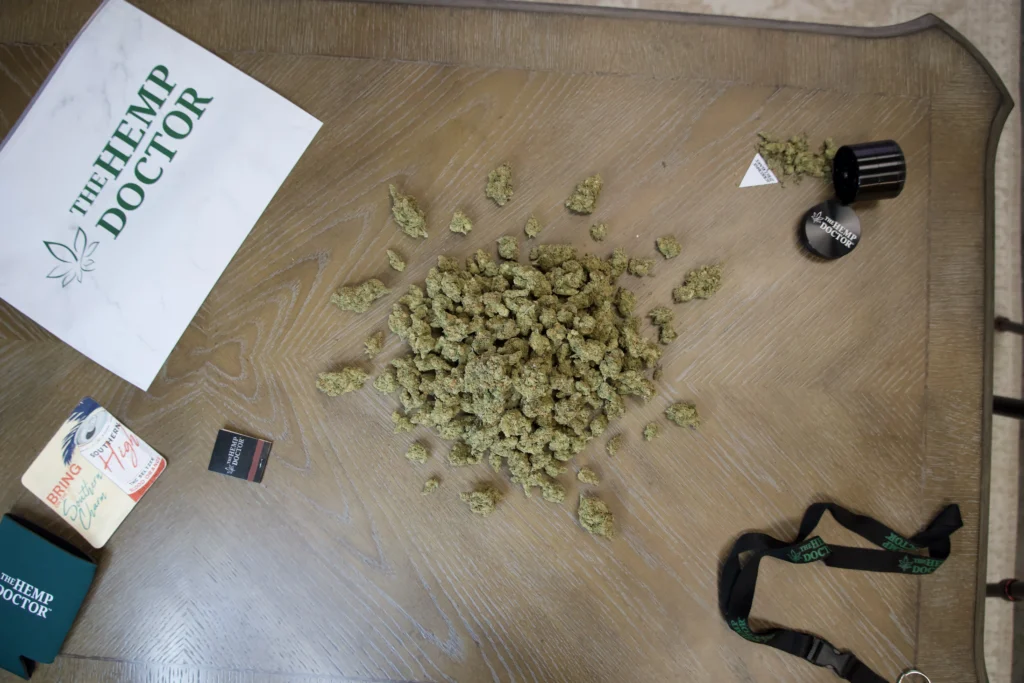
To reiterate and for added context, a quarter pound of cannabis is 4 ounces, or roughly 113 grams. If you’re not used to seeing that amount of flowers, you may be surprised, or even slightly overwhelmed, the first time.
If we’re talking about its superficial appearance, a quarter pound of weed can spread out to cover the entire surface area of a dinner plate. If it’s loosely packed, it can fill a space roughly the size of a large shoebox.
In terms of its weight in your hand, it is comparable to a baseball or a large bag of sugar. Some may even liken its feeling to a deck of cards.
Where it varies is in density and the strain variety. Sativas, for example, are known to be fluffier, which means they may take on a rounder shape. Indicas, meanwhile, are more compact and may look similar to a clump of clay.
How Much Does a QP of Weed Cost? (By State, Quality)
Here are some general estimates on the cost of QP of weed by quality:
- Budget-tier: Between $250 to $400
- Mid-level: Between $400 to $800
- Top-shelf: Between $800 to $1,200
As you may know, purchasing in bulk can save you between 40% to 60% per gram, but the total weed costs depend on the quality tier. Likewise, location and market movements are key factors.
Here are the estimated QP of weed prices per state and the factors that influence the pricing:
| State | Estimated Price (QP) | Notes / Pricing Factors |
|---|---|---|
| Alabama | $800 – $1,200 | Medical; limited licenses increase costs |
| Alaska | $500 – $650 | Recreational; high production costs due to location |
| Arizona | $250 – $350 | Recreational; market maturing and stabilizing |
| Arkansas | $700 – $950 | Medical; limited cultivation licenses, high demand |
| California | $250 – $400 | Recreational; extremely competitive market, record-low prices |
| Colorado | $275 – $400 | Recreational; mature market, consistent supplies |
| Connecticut | $600 – $800 | Recreational; 26% price dip in late 2025 |
| Delaware | $650 – $900 | Recreational; adult-use market opens in 2026 |
| Florida | $750 – $1,000 | Medical; vertical integration requirements limit sales |
| Georgia | $900 – $1,300 | Medical/Hemp; strict THC bans, products mainly oils |
| Hawaii | $850 – $1,100 | Medical; high energy costs, isolated market |
| Idaho | $1,200 – $1,600 | Black market; cannabis illegal, driving illicit trade |
| Illinois | $650 – $900 | Recreational; high state taxes, limited craft licenses |
| Indiana | $1,100 – $1,400 | Hemp only; cannabis illegal, restricted to hemp products |
| Iowa | $950 – $1,200 | Medical; highly restrictive access |
| Kansas | $1,200 – $1,500 | Black market; cannabis illegal, illicit trade drives prices |
| Kentucky | $600 – $850 | Medical; based on recently launched program |
| Louisiana | $900 – $1,200 | Medical; sales linked to state university programs |
| Maine | $350 – $550 | Recreational; high local supply, craft-heavy market |
| Maryland | $550 – $800 | Recreational; high demand since adult-use in 2023 |
| Massachusetts | $500 – $750 | Recreational; market volatile, downward trend expected |
| Michigan | $180 – $300 | Recreational; lowest US prices, 24% tax may affect 2026 |
| Minnesota | $650 – $900 | Recreational; new adult-use retail market drives prices |
| Mississippi | $450 – $700 | Medical; competitive market from open-license structure |
| Missouri | $450 – $600 | Recreational; strong demand, underproduction |
| Montana | $450 – $700 | Recreational; county-level opt-in affects pricing |
| Nebraska | $1,200 – $1,500 | Black market; cannabis illegal, illicit trade |
| Nevada | $400 – $600 | Recreational; tourism-driven market, wholesale focus |
| New Hampshire | $800 – $1,000 | Medical; treatment centers monopolize market |
| New Jersey | $700 – $950 | Recreational; high regulatory costs for new licensees |
| New Mexico | $350 – $550 | Recreational; focus on micro-businesses keeps prices low |
| New York | $600 – $900 | Recreational; expanding market, high social equity fees |
| North Carolina | $1,100 – $1,500 | Hemp only; other cannabis illegal, illicit trade |
| North Dakota | $800 – $1,050 | Medical; limited market, higher per-ounce rates |
| Ohio | $550 – $800 | Recreational; expected price decline as competition grows |
| Oklahoma | $150 – $200 | Medical; highly saturated market, low B2B costs |
| Oregon | $100 – $225 | Recreational; oversupply keeps prices low |
| Pennsylvania | $700 – $950 | Medical; supplies limited to large grower-processors |
| Rhode Island | $550 – $800 | Recreational; small, tightly controlled market |
| South Carolina | $1,200 – $1,600 | Black market; total ban drives illicit trade |
| South Dakota | $800 – $1,100 | Medical; strictly enforced medical use |
| Tennessee | $300 – $500 | Hemp |
| Texas | $1,000 – $1,400 | Medical with limitations; restrictive program, high barriers |
| Utah | $800 – $1,100 | Medical; restricted to pharmaceutical use |
| Vermont | $500 – $750 | Recreational; small-scale, craft-oriented operations |
| Virginia | $800 – $1,100 | Non-regulated prices; only home cultivation legalized |
| Washington | $125 – $250 | Recreational; mature market with high supply |
| West Virginia | $850 – $1,150 | Medical; limited vertical licensees |
| Wisconsin | $1,000 – $1,300 | Hemp only; cannabis illegal, wholesale hemp prices only |
| Wyoming | $1,300 – $1,700 | Black market; strict laws drive illicit trade |
Purchasing Options for a QP of Weed
A quarter pound of weed is quite a significant amount, and as you can imagine, buying this sizable amount in stores is not easy. Depending on where you are in the United States, you may encounter some hurdles if you’re in an area with restrictive cannabis laws.
Buying a QP in Legal Cannabis Markets
Living in a weed-friendly state doesn’t give you the freedom to purchase any amount you wish, either. In places like California, Colorado, Nevada, Massachusetts, and Washington, for example, recreational purchases are limited only to an ounce per day.
Meanwhile, states like Michigan and Maine allow for the purchase of 2.5 ounces. “High-limit” states like New York and Missouri allow adults to purchase up to three ounces per day in New York, and per transaction in Missouri.
But of course, the conversation changes when we factor in cannabis use for medical purposes. California, for example, allows registered patients to legally possess and purchase up to eight ounces of cannabis. That’s already half a pound.
Meanwhile, Arizona allows its medical marijuana patients to purchase 2.5 ounces every 14 days, which covers a little over an ounce for an entire month.
These state restrictions are likely the reason why dispensaries may not always sell a quarter pound of weed directly. Other reasons include:
- Transaction limits: Often enforced by state laws.
- Diversion prevention: This is to minimize the likelihood of purchased cannabis entering the illicit, unregulated market.
- General customer demand: Most people would buy in smaller quantities.
- Inventory management: Most dispensaries receive smaller, pre-weighted cannabis products (typically in eighths or single ounces) for ease of sale.
- Pricing and tax structure: States like California have higher taxes that can exceed 40%, making larger legal purchases more expensive.
Buying Bulk Cannabis: How Laws Differ for Cannabis & Hemp Wholesalers
Purchasing bulk cannabis varies between states. Certain states may or may not have commercial regulations based on product type, whether it’s flowers, concentrates, or D9 edibles, affecting how much can be legally bought by wholesalers.
Speaking of products, licensed cannabis wholesalers deal with a different set of rules than hemp-derived flower wholesalers. In a nutshell, cannabis wholesalers only operate within state borders where cannabis use is legal and cannot engage in interstate commerce.
If you’re a licensed cannabis wholesaler, the licenses you must acquire are also tiered and often require multi-thousand-dollar fees, strict tracking, and high security.
Hemp-derived flower wholesalers often have a simpler experience thanks to the 2018 Farm Bill. Since hemp typically does not exceed the legal limit of 0.3% THC, wholesalers can theoretically engage in interstate commerce, except in states like Tennessee and New Jersey that have recently enacted stricter policies.
It’s also important to note that these legal limits apply only to licensed entities, and not individual consumers.
What to Look for When Buying a QP of Weed
A quarter-pound of weed can cost a small fortune. That said, you would want to make sure you’re not wasting any money by buying subpar-quality products or dealing with legal hurdles you should’ve been aware of.
Those headaches are avoidable if you know what you’re looking for, and here are some of them:
- Aroma. You want a strong, complex scent from the dominant terpenes, whether it’s citrus, diesel, or earthy. Products that give off a musty or grassy smell are indicators of early mold signs and poor curing.
- Texture. The product should pass the “snap test.” To do this, gently squeeze the buds. They should be slightly sticky and springy. If they bend like a noodle or they easily crumble, you’re dealing with an inferior-quality stash.
- Trichome density and color. You should be looking for buds with a frosty surface indicating a healthy trichome presence, and vibrant green with hints of purple and orange.
- Certificate of Analysis. All legal purchases must have a COA published on a company’s website. This should indicate a “Pass” status to confirm it underwent testing for pesticides, microbes, and heavy metals, along with harvest and testing dates within the last 3 to 6 months.
Finally, it always pays to be aware of legal possession limits, especially for personal consumption. Most legal states allow only 2 ounces, which is half a quarter-pound.
How to Store a QP of Weed Properly
Proper storage is critical to preserve the quality of your stash for as long as possible. Here are some considerations for the optimal environment, containers, and long-term care.
- Optimal temperatures: Most experts say the sweet spot is around 60°F-70°F (15°C–21°C). Going beyond 77°F (25°C) increases the risk of mold.
- Humidity levels: Keep the relative humidity (RH) between 55% and 62%. Going beyond even just a bit also boosts mold risk.
- Use airtight glass containers. Mason jars are the ideal containers for storing raw flowers.
- Store it in a dark place. Exposure to sunlight and UV rays accelerates cannabinoid degradation. Cupboards and cabinets are ideal storage spots.
- Avoid the freezer or fridge. Storing buds in cold environments not only causes moisture but also makes the trichomes brittle.
Is Buying a QP of Weed Worth It?
If you’re a regular consumer and have the budget, buying weed in quarter pounds is worth it. You’re saving money and time by minimizing trips to your local dispensary.
If this is the option you’re going with, remember to adhere to state guidelines to prevent potential legal issues. Likewise, be sure to store them properly to prevent your stash from going bad too quickly.
Buying a QP of Weed the Smarter, Safer Way
Ordering a quarter pound of hemp flower isn’t a casual purchase. As a wholesaler, you would want to minimize legal risk through safer purchasing methods, and that’s something we offer.
At The Hemp Doctor Wholesale, every batch is lab-tested, clearly documented, and shipped straight to your door. No more guessing on quality, legality, or consistency. No back-channel sourcing. No surprises.
If you have questions about bulk pricing, compliance, or availability, our wholesale support team is ready to help you source with confidence.