
When people talk about cannabis, cannabinoids (the key drivers of the plant’s effects) tend to headline the discussion. However, in this industry, we know better than to underestimate the often-overlooked “terpenes.”
One hundred fifty different terpenes, the aromatic compounds abundant in cannabis plants, add another layer of personality to the plant—aroma and flavor. They complement to amplify a strain’s set of effects through aroma. So if a Sativa strain’s primary effect is uplifting, the terpene limonene can further enhance it by adding a citrusy aroma.
Terpenes do more than just smell good—they’re versatile compounds that open up countless possibilities for creative use. In this blog, we’ve listed eight ways to make the most of terpenes, whether you’re running a business, exploring new product ideas, or simply experimenting at home.
What Are Terpenes and How Do They Work?
Terpenes are naturally occurring compounds found predominantly in a female cannabis plant’s trichomes (the sticky glands covering the flower). Playing a key role in a plant’s survival, these aromatic compounds attract beneficial creatures while deterring potential threats.
For cannabis users, however, terpenes shape the overall smoking experience by adding a distinct layer of sensation or vibe. For instance, myrcene often gives strains a musky, earthy aroma associated with relaxing effects, while limonene brings out bright citrus notes that tend to uplift mood and energy.
Beyond aromatherapy, growing evidence suggests that terpenes interact with cannabinoids like THC and CBD in what’s known as the entourage effect. This can enhance or balance your overall experience, influencing everything from subtle shifts in mood to the intensity of the high.
If you’re a cannabis business owner or someone working in that realm, understanding how a terpene profile affects a cannabis user’s experience gives you an edge to begin curating products that offer specific moods or effects.
This could mean anything from developing CBD-infused bar blends that promote relaxation to crafting energizing vape formulations or aromatic terpene concentrates for focus and creativity.
Common Terpenes and Their Effects
Of the more than 150 terpenes found in nature, there are three that are most dominant in concentration among cannabis plants. These are Myrcene, Caryophyllene, and Limonene. Let’s take a look at these three most common (but important) terpenes.
🥭Myrcene
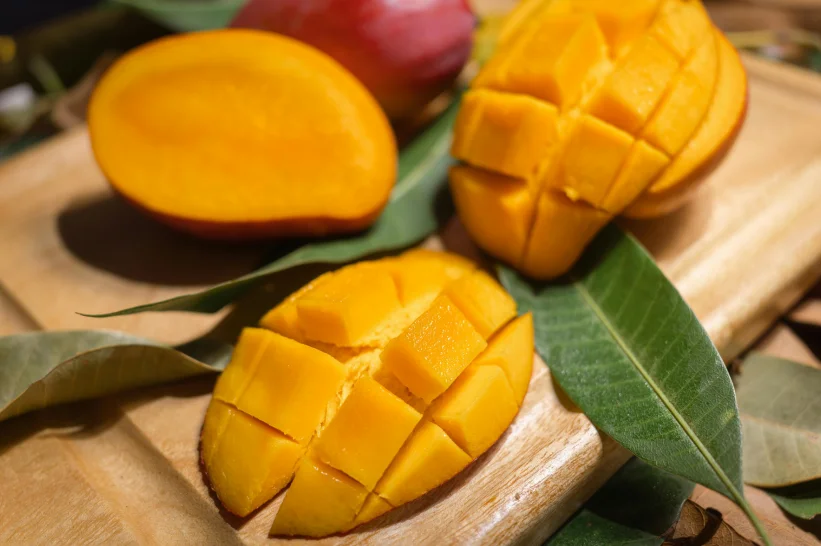
This terpene is described as spicy, musky, and earthy. It gives cannabis buds a distinct, mildly sweet, and herbaceous flavor. Myrcene can also be found in huge concentrations in hops, mangoes, and lemongrass.
Cannabis strains rich in myrcene are usually associated with calm, body sensations—almost a couch-lock effect.
🫑Caryophyllene
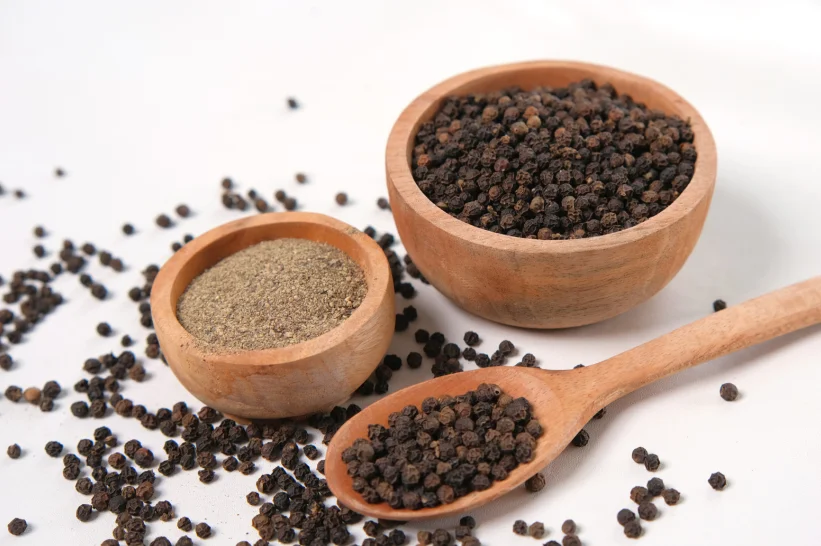
Also known as beta-caryophyllene or β-caryophyllene, this terpene is known for its spicy, peppery flavor in certain cannabis strains. You can imagine its aroma and taste through the plants it’s most concentrated in (black pepper, cloves, and rosemary), all sharing that warm, slightly woody edge.
What’s interesting about caryophyllene is that it’s the only terpene known to bind to the human endocannabinoid CB2 receptor. With this interaction, caryophyllene-rich buds are perfect for those seeking calm, balance, and physical relief without the heavy sedation.
🍋Limonene
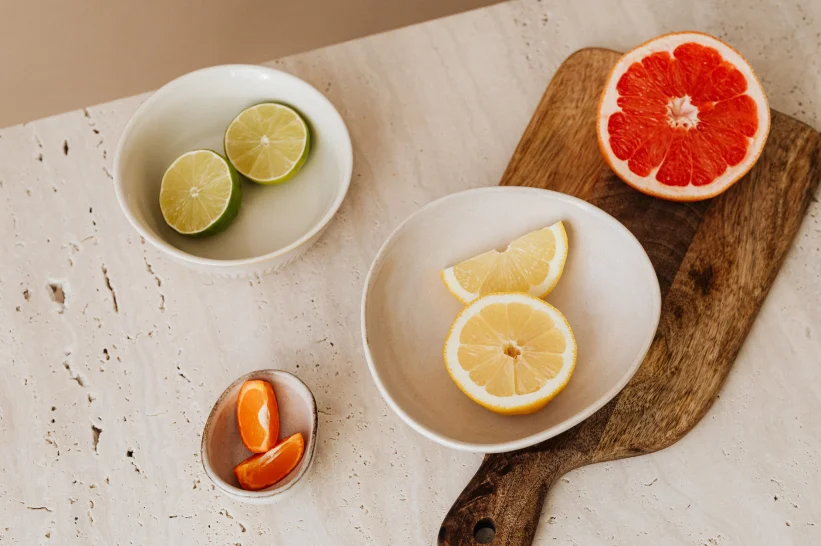
Fresh and clean, limonene is a bright and citrusy terpene found in cannabis strains ike Papaya Punch or Black Cherry Soda. It’s also naturally found in the rinds of citrus fruits and ginger.
As a zesty and uplifting terpene, buds rich in limonene are associated with an elevated mood, stress relief, improved focus, and mental clarity. It’s a great daytime terpene for days you want something to energize, give you a creative, positive headspace.
Now, here are the other 17 of the most common terpenes found across all cannabis strains.
| Terpene | Identifiable Trait | Effects |
|---|---|---|
| Pinene | Pine-fresh scent | Potential anti-inflammatory properties |
| Linalool | Floral, lavender-like | Calming |
| Terpineol | Floral and lilac-like scent | Mood elevation |
| Terpinolene | Aromatic and herbaceous | Uplifting yet calming |
| Humulene | Spicy, herbal, and earthy | Appetite suppression |
| Ocimene | Sweet and herbaceous | Uplifting and energizing |
| Eucalyptol | Minty and camphoraceous | Mental clarity and focus |
| Genariol | Sweet, rose-like aroma | Mosquito repellent |
| Nerolidol | Woody, floral aroma | Sedating |
| Bisabolol | Floral and chamomile-like | Soothing and skin-moisturizing |
| Camphene | Pungent, camphoraceous scent | Fragrance and pest-control additive |
| Borneol | Minty, pine-like aroma | Unconfirmed analgesic effect |
| Phytol | Green, grassy scent | Sedating and an unconfirmed mentally soothing effect |
| Sabinene | Spicy, peppery aroma | Potential digestive-aid properties |
| Alpha-phellandrene | Minty and peppery | Fragrance ingredient and flavoring agent |
| Beta-phellandrene | Peppery, minty, and slightly citrusy | Pest control |
| Delta-3-Carene | Sweet, pungent aroma with hints of cedar and pine | Mental focus and concentration |
What Can You Do With Terpenes? (Practical & Commercial Uses)
Now that you know the commonly found terpenes in cannabis plants, their characteristics, and effects, here are 8 different ways to harness them for your business.
1. Reintroduce Terpenes Into Extracts and Vapes
Reintroducing lost terpenes in cannabis extracts and vapes is a common practice among manufacturers. This is done to restore the original flavor, aroma, and stripped-off benefits of terpenes during plant extraction and distillation.
Let’s say one of your best-selling vape products is a Super Lemon Haze live resin cart. To recreate its signature bright, citrusy flavor and aroma, you could reintroduce key terpenes, such as limonene and myrcene. These compounds help intensify the strain’s natural zest and restore the full-spectrum experience often lost during extraction.
2. Enhance Cannabis Flower During Curing
Enhancing cannabis flower by lightly spraying a terpene-rich formula from a distance is a common practice to restore the cannabis plant’s original terpene profile, which can be naturally lost during the curing process.
This technique not only revives a flower’s muted aroma and flavor but also brings it closer to the authentic characteristics of its strain. Additionally, spraying terpenes during the curing process helps to smooth out the harshness of the flower when smoked.
To successfully infuse terpenes back into the cannabis flower, spread the buds and evenly spray terpenes from a distance for even coverage. Allow the flower to cure in a sealed container with proper humidity control.
3. Use Terpenes to Prevent Cartridge Crystallization
Terpenes are natural thinning agents, and they are less viscous. They can be used to prevent vape cartridge crystallization because they reduce the viscosity of highly refined CBD and THC isolate vaping oil, thereby disrupting the formation of crystal structures.
Chemists and manufacturers use a magnetic stirrer, a homogenizer, or an ultrasonic device to infuse terpenes into the vaping formula to prevent separation and ensure uniformity in the blend.
4. Craft Signature Terpene Blends for Your Brand
Add a signature take on your cannabis products by selecting and combining terpenes to create proprietary flavor profiles and effects. For instance, if you manufacture or sell vape, you can concoct a custom blend of terpenes to ensure every cartridge of the strain Blue Dream tastes and smells consistent for every batch.
Edible producers may want to add a strain-inspired flavor to gummies, chocolates, and other products. Crafting a terpene blend and infusing that seamlessly into edible products does the trick. The same principle is easily applied across types of cannabis products like topicals, Delta 9 beverages, CBD tinctures, etc.
5. Sell or Partner for Bulk Terpene Supply
The 2025 terpenes market is valued at around USD 0.75 billion; it’s expected to reach USD 1.57 billion by 2035. The majority of consumers may be oblivious to the terpene market, but it’s a valuable commodity to businesses involved in cannabis production, like vapes, edibles, beverages, and skincare brands.
Get a piece of the terpene market share by supplying businesses with bulk terpenes. By offering strain-specific or custom terpene blends in bulk, you can diversify your income beyond your usual retail offerings.
6. Use Terpenes for Brand Storytelling
Without a doubt, terpenes bring drama and depth to any product. Each blend carries its own mood, aroma, and energy. Imagine selling a vape without describing it as “bursting with zesty limonene and grounding notes of pine.” You’d be missing out on a sensory language that truly sticks.
When used intentionally, terpenes spark curiosity among potential customers, creating a lasting impression. They give your product personality and presence, something customers can feel, taste, and remember. In a sea of generic cannabis products, that’s what makes yours stand out.
7. Use Non-Cannabis Terpenes in Fragrance and Aromatherapy Products
Also known as botanical terpenes, non-cannabis terpenes are primarily used in the multi-billion-dollar industries of fragrances, flavoring, and aromatherapy. Except for cannabis, botanical terpenes can come from herbs, fruits, and a vast array of plants.
A key benefit of the use of non-cannabis terpenes compared to cannabis-derived terpenes is their legal status—they’re fully legal and widely accessible in almost all states. They are classified as “Generally Regarded as Safe” (GRAS) by the EPA.
8. Formulate Eco-Friendly Cleaning and Household Products With Terpenes
Cleaning and household products often feature terpenes, such as d-limonene (known for its bright citrus aroma), alpha-pinene (which gives a fresh pine scent), and linalool (with its soft lavender fragrance).
Beyond their pleasant aromas, these terpenes act as natural solvents and powerful degreasers, making them ideal for eco-friendly cleaning solutions. When combined with staples like white vinegar, baking soda, or plant-based castile soap, they enhance both the effectiveness and sensory appeal of green cleaning products.
Considerations to Observe When Using Terpenes
Cute as they come, terpenes still demand proper handling, dosing, and storage. Terpenes are highly concentrated compounds that can cause skin irritation, accidental ingestion risks, or other unwanted exposure if not treated with care. Properly and safely handle terpenes by observing the following rules.
Quick Human-Safety Tips When Handling Terpenes
Some individuals are going to be more reactive to terpenes than others. Nevertheless, terpenes should be handled by everyone with care as a rule of thumb.
Some individuals may have reactions to specific terpenes. Consider including warnings or allergen information where necessary.
Proper Dosing Guideline
Different products demand different terpene dosing. For example, a vape cart formulation requires a terpene concentration of 2-3% to achieve optimal vape results. For a 510-thread cartridge, a 2.5% terpene concentration is ideal, while higher-quality distillates can support up to 3% terpene concentration.
For flower enhancement, the best dose is by adding terpenes at 0.5–1% of the cannabis’s dry weight. This provides sufficient aromatic enhancement without compromising the plant’s natural aromatic profile or excessive moisture.
Lastly, for terpene-infused concentration, a 1-2% terpene concentration addition is enough. Full-spectrum extracts, such as live resin, typically require a lower concentration of 1-1.5%. For concentrates that passed through aggressive methods, a 2.5% terpene concentration addition will restore the lost terpene concentration.
Safe Storage
Terpenes are highly volatile compounds, sensitive to high heat and corrosive chemicals. Without proper storage, terpenes can lose potency, aroma, or even become a safety hazard.
For proper safekeeping, manufacturers should follow the Occupational Safety and Health Administration (OSHA) and Globally Harmonized System (GHS) standards, while also observing best practices for terpene storage, such as:
- Store your terpene solutions in airtight, amber or dark glass containers (avoid plastic containers).
- Temperature control is key. Ideally, below 25°C (77°F) is fine.
- Adequate ventilation.
- Keep highly flammable terpenes away from open flames and direct sunlight.
- Label the glass containers correctly, including the name, concentration, and date of opening.
Compatibility with Formulations
Terpenes are hydrophobic, meaning they don’t easily mix with water. Before mixing terpenes into your product, ensure they blend well with your chosen base materials. Terpenes mix well with non-polar, oil-based carriers, organic solvents, and certain cosmetic bases.
Quality Control and Testing Considerations
Cannabis-derived terpenes require more sophisticated testing approaches than synthetic terpenes. The test involves potency verification, stability tests, screening for contamination, and compatibility studies.
Regulatory Compliance
Terpenes fall under specific federal and state guidelines that highly depend on the final type of product (inhalable, ingestible, or topical). If you’re going to use terpenes for oral-type products like edibles, beverages, or tinctures, they must be considered GRAS or Generally Recognized As Safe.
Another important regulatory angle to consider is ensuring your terpene-infused products stay within the definition of “hemp” as stipulated under the 2018 Farm Bill. For example, the final product should have less than 0.3% Delta-9 THC by dry weight.
Labeling and Transparency
Establish yourself as a trusted partner by practicing accurate labeling and maintaining transparency through your COAs (Certificates of Analysis). Clearly and accurately list all terpene ingredients, concentrations, and potential allergens on product labels.
Terpene products should come with a COA, which reports purity, composition, and absence of contaminants such as heavy metals, pesticides, and residual solvents.
| Related Blog: How Educated Budtenders and COAs Can Help You Lock In Customer Loyalty How to Read CBD or Delta 8 COA’s |
What Is the Best Way to Use Terpenes?
As your business grows and seeks new ways to generate revenue, terpenes can be a surprisingly profitable avenue. They’re not just building blocks for cannabis products; they’re a powerful storytelling tool for your brand.
Looking for terpene-rich flower for white labeling, or interested in selling The Hemp Doctor’s ZAZA strains and living soil selections? Our flower is cultivated to maximize terpene expression, delivering a true-to-strain experience. It’s the perfect fit for brands, extractors, and retailers who prioritize authenticity, flavor, and depth in every product.