
Indica vs. Sativa vs. Hybrid
Three labels, one spectrum — from body to head.
You have seen the three labels on every dispensary menu, every hemp shop shelf, and every product page you have ever scrolled through. What you probably want to know is what those labels actually mean for how you may feel tonight, not a botany lecture on plant morphology or growing regions.
This guide skips the classroom material and gets straight to the type of experience each category is often associated with, why those labels are not always reliable, and which one to consider based on your specific goal.
The short version is that the difference between sativa, indica, and hybrid comes down to general experience direction more than plant genetics in 2026. The labels can be a useful starting point, but terpene profiles often tell a more complete story. By the end of this article, you will know how to use both.
Quick Answer: Indica strains are often associated with heavier, body-forward relaxation, sativa strains are often associated with an uplifting, head-forward experience, and hybrid cannabis blends both directions depending on which parent dominates.
🔑 Key Takeaways
- Indica-leaning strains often feel body-heavy and laid-back, sativa-leaning strains often feel bright and energizing, and hybrids sit somewhere on that spectrum.
- Terpenes like myrcene, limonene, pinene, and linalool may be better indicators of the overall experience than the indica vs. sativa label.
- The amount of THC, the THC:CBD ratio, and your consumption method shape the experience alongside the strain.
The 3 Highs at a Glance
| Category | Indica | Sativa | Hybrid |
| Experience character | Body-forward, heavy, relaxing | Head-forward, uplifting, energizing | Balanced or leaning depending on dominance |
| Onset feel | Gradual, full-body warmth | Quicker, more head-forward | Varies by formulation |
| Psychoactive effect | Calm, laid-back, mellow | Stimulating, creative | Blend of both |
| Often chosen for | Evening, winding down, physical ease | Daytime, creativity, socializing | Flexible use, many situations |
| Watch out for | Couch lock, grogginess | Racing thoughts or feeling overstimulated at high THC | Less predictable without clear dominance |
The Honest Truth Nobody Tells You About These Labels
Here is what most articles skip. Nearly every commercially available cannabis strain in 2026 is genetically a hybrid. Pure landrace indica plants and sativa plants still exist, but they live mostly in seed banks, breeding programs, and preservation archives, not on retail shelves.
“The market is hybrid-based. A strain may lean more sativa or more indica, but most of the genetics available today have been bred and crossed over time.”
- Clay Cram, Wholesale Sales & Strain Expert
That means when you see “indica” or “sativa” printed on a modern product label, it is describing the dominant experience character of a hybrid, not a botanically pure plant. Those labels have become marketing shorthand for which way the experience may lean, not a statement about the plant’s ancestry.
Why this matters at the point of purchase is simple. Two products both labeled “sativa” can feel completely different if their terpene profiles differ. One might feel focus-friendly and creative, while another might feel too intense or fast-paced for your preferences.
“A terpene-rich flower, in my opinion, trumps high THC all day, every day,” say Clay.
The label is still useful as a rough direction, but it is not the whole answer.
Indica High: What It Actually Feels Like
What Is the Indica High?
The classic indica high is body-forward, heavy, and relaxing. Adult consumers often describe it as “in-da-couch” for a reason.
Myrcene, an earthy, musky terpene, is commonly associated with the mellow character people connect with indica strains. When you combine a meaningful amount of THC with a myrcene-heavy profile, some users report a cozy, weighted feeling that indica is known for.
The Experience
The first 15 to 30 minutes may bring a gradual full-body warmth rather than a sharp head rush. Some users describe feeling more settled, slower-paced, and ready to unwind. That is very different from the fast, head-forward onset often associated with sativa. Indica-dominant hybrids may soften those effects slightly, keeping the experience relaxed but a little more functional than a stronger indica lean.
Often Chosen For
Indica-leaning products are often chosen for evening routines, winding down, cozy movie nights, and moments where you want to feel genuinely off the clock.
Some adults prefer indica-leaning strains when they are looking for a restful night or a relaxed end to the day.
Things to Watch Out For
Overconsumption of a heavy indica can flip relaxation into couch lock, where even small tasks feel like too much. Higher amounts can also leave some users feeling groggy the next morning.
Indica is generally not the pick when you want to stay alert. As with any product containing a meaningful amount of THC, common unwanted effects may include dry mouth, red eyes, increased heart rate, and short-term memory dulling, especially at higher potencies.
Sativa High: What It Actually Feels Like
What Is the Sativa High?
Sativa is the head-forward counterpart. The experience is often described as cerebral, uplifting, and energizing, and it tends to arrive faster than an indica onset. Two terpenes commonly associated with this style are limonene, which brings a citrusy, bright character, and terpinolene, which carries a complex, creative, slightly herbal profile.
Historically, sativa plants grew taller and thinner than indica plants, but that structural difference matters far less to your experience than the terpene profile of the finished flower.
The Experience
Sativa-dominant products often bring mental energy first. Some users report that ideas connect faster, music sounds more textured, and conversation flows more easily. That same quality can feel too fast-paced if the amount of THC is high and your tolerance is low. Sativa-leaning hybrids may still carry that energetic quality, but the hybrid balance can make the experience feel smoother for some adult consumers.
Often Chosen For
Reach for sativa when you want something that may fit a productive, creative, active, or social occasion. Morning and early afternoon use tends to be the preferred window for many consumers, since the stimulating feel can be less ideal late in the evening.
Things to Watch Out For
High-THC sativas are commonly cited in uncomfortable first-time experiences, particularly when someone feels overstimulated or mentally restless. They are usually not the preferred choice for winding down at night, and the heightened sensory awareness that makes them fun in the right setting can become overwhelming in the wrong one.
Unwanted effects at high THC levels may include elevated heart rate, racing thoughts, and jitteriness. Start with a small amount, especially if you are new.
Hybrid High: What It Actually Feels Like
Hybrid is less a third category than a spectrum. Because virtually every named cultivar sold today is technically a cross, “hybrid” on a label usually means the breeder set out to balance effects rather than push all the way toward one pole. You will see three practical variations: indica-dominant hybrids, sativa-dominant hybrids, and balanced hybrids. That distinction matters far more than the word “hybrid” alone.
The Experience
Balanced hybrids may give you the body-head blend that many adult consumers find approachable and versatile. Indica-dominant hybrids can feel relaxed while still allowing enough mental clarity to hold a conversation or finish a simple task. Sativa-dominant hybrids may feel energizing without as much of a wired edge, thanks to the more mellow body character from the indica side of the cross.
Often Chosen For
Hybrids are often considered a forgiving category for newer adult consumers because they may not push too hard in any one direction. They work well in social settings where you want relaxation without feeling too heavy, and they suit afternoon use when you are not aiming for maximum energy or a full wind-down session.
Things to Watch Out For
A “hybrid” label with no dominance indication and no terpene data is the least predictable option on the shelf. Some perfectly balanced hybrids may also underdeliver for experienced adult consumers who want a clear directional effect.
If you want a specific feeling, look for a dominant lean and a matching terpene profile.
Why They Feel Different
It Is Not Really About Indica or Sativa Alone
The experience of cannabis is shaped by the combination of cannabinoids and terpenes in a given product. Two products with identical THC percentages can feel very different if their cannabinoid and terpene profiles differ.
A few practical factors drive this. The amount of THC affects intensity but not necessarily the character of the high. The THC:CBD ratio matters because CBD can change how THC feels for some consumers, which is why the same THC percentage may feel softer in a CBD-rich product.
And the terpene profile is essentially the fingerprint of the experience, which is why the indica vs. sativa label is really an approximation of a terpene profile rather than a guaranteed outcome.
For readers new to the term, terpenes are aromatic compounds found in cannabis and many other plants. They contribute to scent, flavor, and the overall style of the experience.
Terpene-to-Experience Mapping
If you only remember one thing from this guide, remember to look at terpenes before you look at the indica or sativa tag.
| Terpene | Aroma | Commonly Associated Experience | Typically Found In |
| Myrcene | Earthy, musky, mango | Heavy, mellow, body-forward | Indica-leaning strains |
| Limonene | Citrus, lemon | Bright, uplifting | Sativa-leaning strains |
| Pinene | Pine, fresh | Clear, alert, focus-friendly | Sativa-leaning strains |
| Linalool | Floral, lavender | Calm, soft, gentle | Hybrid and indica strains |
| Caryophyllene | Peppery, spicy | Grounded, body-forward | Common across all types |
| Terpinolene | Fruity, herbal, complex | Creative, bright, social | Sativa-dominant strains |
Other Factors That Affect Your High
Your consumption method changes the ride significantly. Flower and vapes usually take effect within minutes and taper within a couple of hours, while edibles take longer to arrive and last much longer.
Body chemistry, amount consumed, mindset, and setting all shape the outcome as much as the strain does. Personal trial and observation remain part of finding what works for you.
“Just because I like something does not mean you are going to like it. I put it in the same category as wine. Two people may prefer completely different types and flavor profiles, and cannabis works the same way,” say Clay.
Which Strain Is Right for Your Situation?
Forget asking which category is objectively better. The more useful question is what you want the occasion to feel like, and then work backward to the category and terpene profile that may fit.
| Your Goal | What to Reach For | Why It May Fit |
| Support a restful night | Indica or indica-dominant hybrid, myrcene-forward | Often associated with a heavier, wind-down feel |
| Clean the house without couch lock | Sativa-dominant, limonene-forward | Often feels uplifting without heavy body weight |
| Watch a three-hour film without moving | Heavy indica, high myrcene | Commonly associated with full-body relaxation and minimal mental stimulation |
| Socialize at a party while staying grounded | Balanced hybrid with linalool | May feel calm and social without an overly intense head effect |
| Go for a hike or exercise | Sativa-dominant, pinene or terpinolene | Often selected for energy, focus, and outdoor clarity |
| Unwind after work | Indica-dominant, caryophyllene-forward | May support a body-forward, laid-back evening feel |
| First time trying cannabis | Balanced hybrid, lower THC | Often considered a more approachable entry point |
| Creative project or writing | Sativa-dominant, limonene or terpinolene | Commonly associated with a cerebral, associative, brighter experience |
When the Label Isn’t Enough: What to Actually Look At
If the product page or jar lists terpene percentages, that is your best information. The dominant terpene may be a stronger indicator of your experience than the indica or sativa tag on the same label.
When terpene data is not available, ask the retailer or budtender about the experience character rather than the category, since anyone who actually knows the batch can describe how it tends to land.
Reading a Certificate of Analysis (COA) is the most direct way to see what is actually in a product, including cannabinoid content, terpene percentages, and screening information.
The THC:CBD ratio also gives you a preview: higher CBD relative to THC generally means a softer, more grounded experience for some consumers, while THC-dominant products often lean more intense. If you only have the label, treat it as a direction. If you also have the terpene profile, use that instead.
Does This Apply to Hemp-Derived THCA Products?
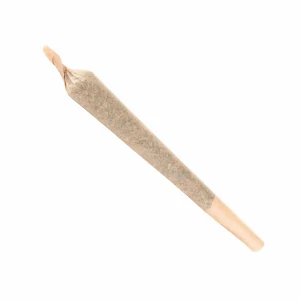
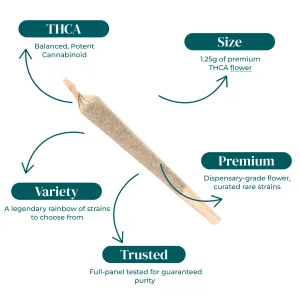
Yes. The same terpene-driven logic applies to hemp-derived THCA flower, pre-rolls, and vapes just as it does to traditional dispensary cannabis. THCA is the non-intoxicating acid form of THC that converts to Delta-9 THC when heated, which means the strain and terpene profile of a THCA product can shape the experience in a similar way.
That means strain selection matters just as much for a THCA pre-roll as it does for anything else. A myrcene-heavy indica THCA flower may still feel body-heavy and mellow, and a limonene-forward sativa THCA vape may still feel bright and uplifted.
“THC or THCA percentage is like the gas pedal in a car. It tells you how fast that car can go, but it does not give you the full picture of what it is like to drive or own it. THC percentage is just one part of the puzzle.”
Samantha Evers, Retail Marketing Specialist and Salisbury Store Manager
If you are shopping by goal rather than by label, you can browse the full THCA lineup, the pre-roll selection, or the vape catalog and filter by the experience you actually want. Hemp-derived THCA products are federally legal under current federal guidelines, though state laws vary, so always check your local regulations before ordering.
| Want to hear more from Samantha and Clay? Watch their full conversation about using cannabis strain guides, understanding terpene profiles, and helping customers choose the right products on YouTube. |
Final Word
Use the category as a general direction, and use the terpene and cannabinoid profile as your actual map. That combination may steer you toward the experience you want more reliably than either signal on its own.
Ready to shop by goal instead of by label? Browse the full THCA collection or explore the complete THD shop to find the strain and format that matches what you want to feel next.