
Quick Answer: A cannabis vape worth stocking clears five checks: high-quality oil with a clear type, a current third-party COA, reliable hardware, compliant packaging, and a supplier who can document where the product came from. Everything else comes down to your customer base and price point.
Walk into any smoke shop or dispensary today, and the vape wall looks like a wall of nearly identical cartridges. Sleek tubes, glossy boxes, a few buzzwords on the front, and a price tag that swings wildly from one SKU to the next. For the adult consumer browsing for one cart, that confusion is annoying. For the retailer trying to fill a shelf that will actually move product and not generate returns, it is a real business problem.
This guide reframes the usual buyer’s checklist for the person stocking the shelf, not the person buying a single pen. We will cover oil quality, third-party testing, hardware, packaging, sourcing, the wholesale-specific screens that matter most, and where federal hemp rules are heading next.
🔑 Key Takeaways
- Oil type and quality drive shelf appeal more than any other spec, and distillate, live resin, and live rosin each tell a different story to your customer.
- A current, batch-specific third-party COA covering cannabinoid content, Delta-9 levels, and unwanted materials is non-negotiable for any cannabis vape on your shelf.
- Hardware reliability decides return rates, so battery, coil, and leak resistance deserve as much attention as the oil inside.
- Compliant, child-resistant packaging protects the store legally and merchandises better next to competing brands.
- For retailers, supplier transparency, defect policy, and reorder reliability matter as much as any number on the product label.
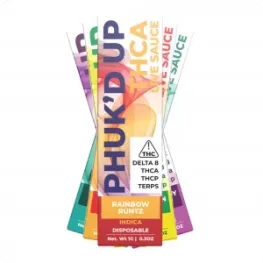
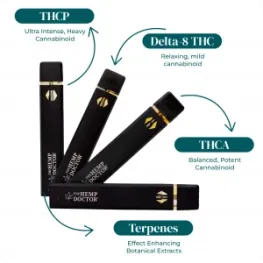
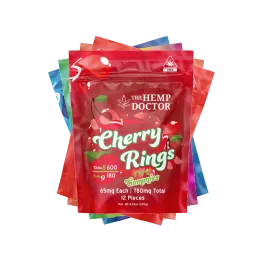
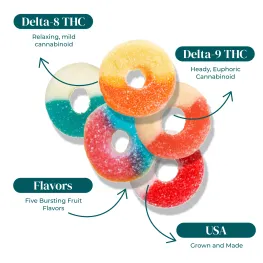

Oil Quality and Type
The oil inside the cartridge is the biggest variable on the shelf, and it is where most retailer decisions should start. Hemp-derived cannabis oils generally fall into four buckets, and each one signals something different to the customer picking it up.
Distillate is the workhorse. It is highly refined, consistent batch to batch, shelf-stable, and easy to price competitively, which makes it the natural fit for volume-driven disposable vape pens and value-tier vape carts.
Live resin vape uses fresh frozen flower, harvested and frozen before drying, to preserve a richer cannabinoid and terpene profile, which gives the vape a fuller flavor and aroma. Live rosin takes it a step further by using a solventless extraction method, which is why it commands a premium price point among connoisseur buyers.
Full-spectrum oils aim to preserve the broader plant profile, including minor cannabinoids and terpenes, for customers who prefer a more rounded product experience.
| Oil Type | Process | Shelf Position | Customer Fit |
| Distillate | Refined, isolated cannabinoids | Value to mid-tier | Volume buyers, new vapers |
| Live Resin | Solvent extraction from fresh frozen flower | Mid to premium | Flavor-focused customers |
| Live Rosin | Solventless, heat and pressure | Premium | Connoisseurs, top-shelf shoppers |
| Full Spectrum | Preserves wider cannabinoid and terpene profile | Mid to premium | Customers seeking a fuller plant profile |
Third-Party Testing and the COA
A Certificate of Analysis, or COA, is the report a third-party testing facility issues for a specific batch of cannabis oil. It is the single document that tells you whether a vape meets the specifications needed for your shelf, and it is the first thing a serious wholesale buyer should ask for. Generic brand-level COAs are not enough. You want a batch-specific report tied to the lot numbers actually shipping to your store.
When you read a COA, look past the headline THC number and read the full panel. Cannabinoid content tells you what the customer is actually buying. Delta-9 THC must come in under the 0.3% by dry weight threshold for hemp-derived products. Residual solvents matter especially for distillate and live resin, since those processes use solvents that should be fully purged. Heavy metals can indicate issues with hardware or source material. Pesticides and microbial testing round out the product-quality picture.
If a supplier hesitates to share current third-party testing or sends you a COA from a year ago for a batch that arrived last week, that is your answer. Walk.
Hardware: Battery, Voltage, and Build Quality
The oil sells the first cart. The hardware decides whether the customer comes back or leaves a one-star review that ends up on your counter. Battery life, voltage control, coil material, and leak resistance are the four things that drive return rates more than anything else, and they are easy to overlook when a sample unit feels fine in the hand.
The 510-thread standard is still the backbone of cartridge compatibility, and stocking 510 battery options alongside your oil cartridge SKUs gives customers a clear upgrade path.
Variable voltage batteries let users fine-tune the temperature for different oil viscosities, which matters because live rosin and full-spectrum oils tend to be thicker than distillate.
Pod systems and pre-filled disposable vape pens are a different conversation. Disposables simplify the sale and remove the hardware-failure complaint loop, while refillable vape pen setups appeal to repeat customers who want to mix and match.
| Hardware Spec | What It Affects | Why Retailers Care |
| Battery capacity (mAh) | Run time between charges | Fewer “dead on arrival” returns |
| Voltage control | Compatibility across oil types | One battery fits a wider range |
| Coil material, such as ceramic | Flavor and overall draw experience | Drives repeat purchases |
| Leak resistance | Pocket messes, wasted oil | Single biggest source of complaints |
| 510 thread | Cartridge compatibility | Easier cross-sell, more SKU flexibility |
Packaging and Labeling
Packaging is part compliance, part merchandising, and most retailers underweight both. Child-resistant packaging is required for any hemp-derived vape product, full stop. Beyond that, the label needs to carry cannabinoid content per cart and per puff if claimed, batch number tied to the COA, full ingredient list, required warnings, and clear intended-use language.
The other side of packaging is shelf presence. A clean, properly sized box that stands up next to the competition will outsell a baggie-and-sticker job every time, even when the oil inside is identical. If you are buying wholesale, ask for a sample of the retail-ready packaging before you commit to a case pack.
Sourcing and Supplier Transparency
For a retailer, the supplier is the product. A great cart from a flaky supplier is a worse buy than a solid cart from a reliable one, because the second one you can actually reorder. Ask where the hemp was grown, whether it was US-grown, what extraction method was used, and how the supplier handles defects on arrival.
A real wholesale partner will give you a written defect policy, a reorder lead time you can plan around, and a point of contact who answers when a case shows up damaged. A one-time seller will dodge those questions. The difference shows up in your margin by the third reorder.
Have those questions ready before your next supplier call. If you’d like to run them by us, you can reach the wholesale team here.
For Retailers: Buying Cannabis Vapes Wholesale
This is where the B2B screen diverges hardest from the consumer checklist. A shopper does not care about case-pack flexibility. You do. When you evaluate a wholesale program, look at the minimum order quantity policy, whether you can mix SKUs inside an MOQ, how COA access works batch by batch, what the defect coverage actually pays out, and how fast fulfillment turns around when you reorder mid-month.
The best Delta 8 carts and vape programs offer tiered pricing, transparent third-party results on every batch, and a rep who picks up the phone. That is what separates a one-time buy from a supplier you can build a vape category around. If a wholesaler cannot answer those five questions on a first call, they are not ready for your shelf.
Compliance and the Federal Hemp Law
The 2018 Farm Bill federally legalized hemp and hemp-derived products containing no more than 0.3% Delta-9 THC by dry weight, which is the foundation that the entire hemp vape category sits on. That said, state laws vary widely, and several states restrict or ban specific cannabinoids like Delta 8 regardless of federal status.
Always confirm your state law before stocking, and check our 50-state legality guide before adding a new SKU.
Looking forward, Section 781 of the federal appropriations package, effective November 12, 2026, tightens the rules around synthetically produced or converted cannabinoids. That language affects much of the converted oil currently sold as Delta 8 or vape carts, and it will reshape what can legally end up in a hemp-derived vape oil.
For the full picture on which compounds survive the transition and which ones do not, our breakdown of why alternative cannabinoids are gaining attention covers the natural-versus-converted split in detail.
Retailers should be asking suppliers now how their roadmap accounts for the change, not after it lands. As always, this is not legal advice, and state-level rules may move faster or slower than the federal timeline.
Conclusion
A cannabis vape earns its place on your shelf when it clears five checks: clearly identified oil type and quality, a current batch-specific COA, reliable hardware, compliant retail-ready packaging, and a supplier who stands behind the product. Get those right, and the rest is merchandising.
If you are ready to build out your vape category with hemp-derived products that meet every one of those screens, browse our wholesale vapes catalog and submit a wholesale application to get pricing.