
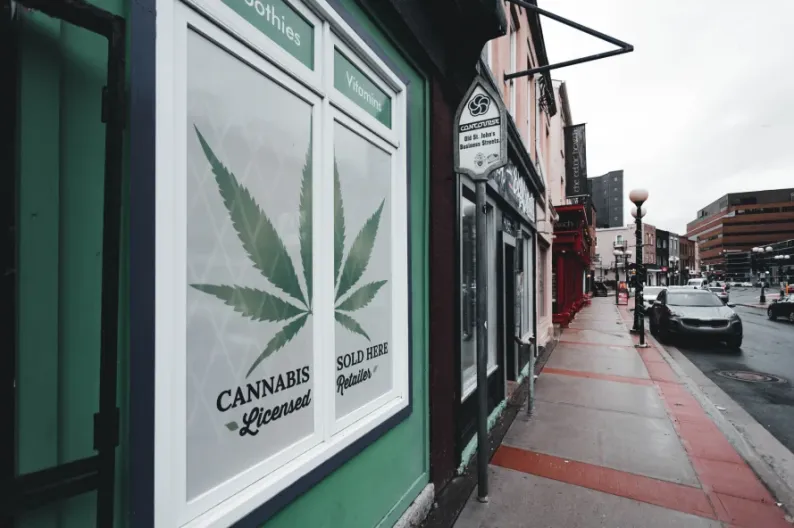
Quick Answer: THCA, CBG, and CBN are catching on because adults want legal, hemp-derived options that go beyond plain CBD and Delta 9. But the category is splitting fast, natural on one side, lab-converted on the other, and 2026 is the year that decides what stays on the shelf.
Two molecules used to run this whole conversation: THC and CBD. Not anymore. Walk into a shop today, and people are asking for THCA flower, CBG tinctures, and CBN for sleep. The questions got more specific, and the shelf got a lot more crowded.
So what changed? Two things, at the same time. The 2018 Farm Bill opened the door to hemp-derived cannabinoids, and shoppers kept getting more curious about the ones nobody used to talk about.
Here’s the plain version: what these compounds are, why they blew up, and what the new federal law does to all of it before November 2026.
🔑 Key Takeaways
- Alternative cannabinoids are the compounds in the cannabis plant beyond CBD and regular Delta-9 THC. THCA, CBG, and CBN are the headliners.
- They caught on because adults got curious, and because a lot of them want effects other than just getting high.
- Section 781, signed November 12, 2025, and live November 12, 2026, drops the Delta-9-only limit for a total-THC standard and kicks synthetic cannabinoids out of the federal hemp definition.
- The naturally occurring ones, THCA, CBG, and CBN, are far better positioned to survive that than the lab-converted ones.
- For retailers, regulatory risk, COA checks, and who you source from now matter as much as your product mix.
What Are Alternative Cannabinoids?
“Alternative cannabinoids” is just a catch-all for the plant compounds that aren’t CBD or regular Delta-9 THC. Some occur in big enough amounts to be extracted straight from hemp. Others barely exist in the plant, so producers make them by converting CBD into something else.
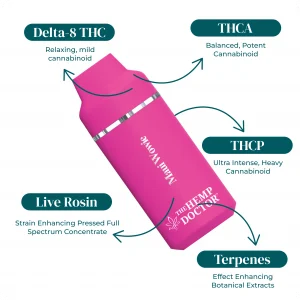
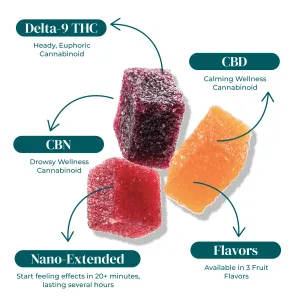
They don’t all feel alike, either. CBN reads as mellow and good for the evening to a lot of people. THCP gets described as way stronger than the THC most folks know. Picture cannabinoids as keys. Each one’s cut a little differently, and that shape changes how it fits.
THCA, CBG, and CBN are the three naturally occurring options most worth building a steady assortment around. That’s why they lead this guide.
Why Are Alternative Cannabinoids Gaining Attention?
A few things pushed them into the spotlight together.
Curiosity Grew Up
After years of CBD-only talk, people wanted range. Something to wind down with at night. Something for daytime focus. A lighter high than full Delta-9. CBD on its own couldn’t cover all of that, and minor cannabinoids could. The more people swap notes on what fits their routine, the faster that curiosity spreads.
The 2018 Farm Bill Cracked the Door Open
The law did the rest. The 2018 Farm Bill called hemp anything with no more than 0.3% Delta-9 THC by dry weight, and that one line set off a wave of products built around cannabinoids the bill never actually named. THCA flower, hemp-derived Delta 9 edibles, the converted stuff, all of it grew out of that gap.
A Legal Stand-In Where Cannabis Isn’t
In states with no legal recreational cannabis, hemp-derived cannabinoids became one of the only legal ways for an adult to get close to THC. For a lot of shoppers, a hemp product that ships to the door is the dispensary they don’t have.
The Formats Were Already Familiar
None of this showed up as something weird. It showed up as gummies, vapes, D9 drinks, tinctures, flower. Stuff people already knew how to buy. No learning curve, no new habits, just a different cannabinoid in a format that felt normal.
Not Everyone’s Chasing a High
Plenty of shoppers go for CBG and CBN exactly because they don’t get you high. Interest in what those compounds might do keeps climbing, even though the research is still early days.


The Main Alternative Cannabinoids to Know
Here are the ones you’ll actually run into, starting with the three from the title. The column that matters most is the second one, whether it’s grown or made, because that’s the whole ballgame right now.
| Cannabinoid | Natural or Converted | Consumer Experience | Notes |
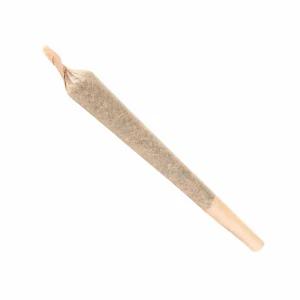
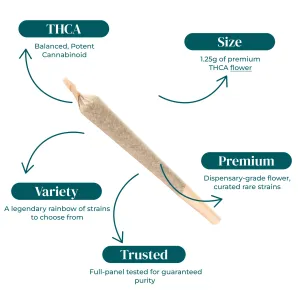
| THCA | Naturally occurring | Non-intoxicating until heated | Converts to THC when smoked or vaped |
| CBG | Naturally occurring | Non-intoxicating | Often called the “mother cannabinoid” because other cannabinoids derive from it |
| CBN | Naturally occurring | Some users report a mellow, relaxing experience | Often associated with evening routines |
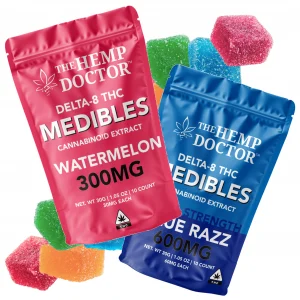
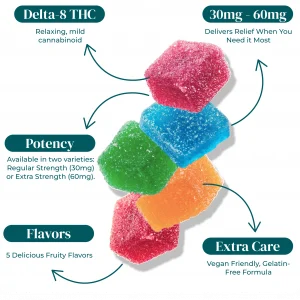
| Delta 8 | Usually converted from CBD | Often described as milder than Delta 9 | Conversion-derived |
| THCP | Trace natural / converted | Often described as very potent | Typically discussed as stronger than standard THC products |
One pattern to hang onto: the grown ones sit on safer legal ground than the made ones. That idea runs through the rest of this guide.
Natural vs. Synthetic: Why the Difference Suddenly Matters?
For about six years, natural versus synthetic was a footnote that only a chemist cared about. That’s over. Under the new rules, “synthetic” is the one word that decides whether a cannabinoid still counts as federal hemp.
The naturally occurring ones are what the plant makes on its own in real amounts. THCA, CBG, CBN, plus the thin slice of Delta 9 that stays under 0.3%.
The synthetic ones, in the way the law means it, are made by conversion or isomerization instead of straight extraction. Producers take CBD and turn it into something else using acids and solvents, and that’s what drops them in the converted column.
That conversion step is also why COAs matter more here. Leftover solvents and shaky potency are real problems, and a clean lab report is what tells you a supplier is serious instead of sketchy.

What does the New Hemp Law Mean for Alternative Cannabinoids?
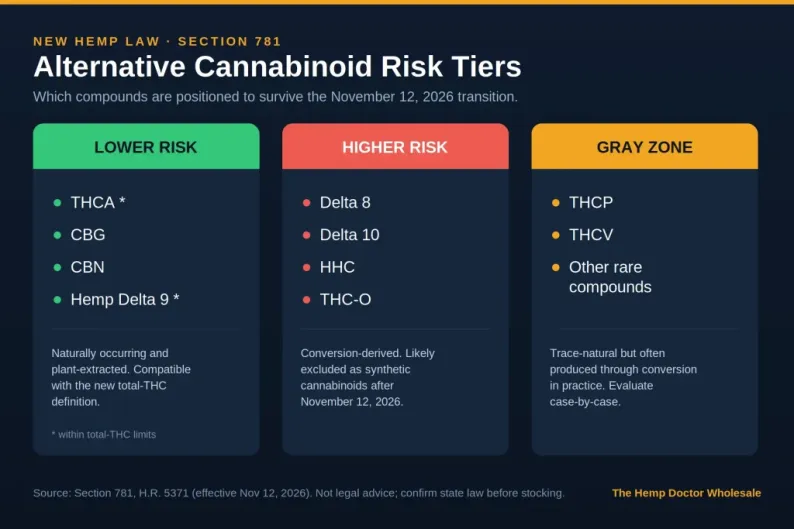
Section 781 got signed on November 12, 2025, and goes live on November 12, 2026. It rewrites the federal hemp definition in two ways. First, it ditches the Delta-9-only threshold and counts total THC instead, so THCA and other precursors now count against the limit. Second, it cuts synthetic cannabinoids out of the hemp definition completely.
What does that mean on the ground: most converted cannabinoids, Delta 8, and Delta 10 lose federal hemp protection. The naturally occurring ones like CBG and CBN hold up better because they’re extracted, not built in a lab.
High-THCA flower and hemp-derived Delta 9 have a tougher math problem under the total-THC rule. But they’re still plant chemistry, not lab conversion, and that’s worth a lot heading into the change.
Then there’s state law, which never makes anything simpler. Some states already ban cannabinoids that are federally legal. Others allow ones the feds don’t. None of this counts as legal advice, so run it past real counsel before you commit to anything.
The cleanest way to keep it all straight is a simple risk tier, shown below.
What Does This Mean if You Sell Alternative Cannabinoids?
The retailer version is short. Knowing what carries legal risk before you buy it is part of the job now. Build toward the naturally occurring cannabinoids that survive the new definition, and if you’re carrying converted inventory, have a plan to move it before the deadline.
Checking your paperwork matters just as much. Every batch needs a current COA covering potency, residual solvents, pesticides, and heavy metals. Doubly true for converted products, where leftover solvent is a genuine quality risk.
And buy from people who actually get the chemistry and the law. If a supplier can’t tell you how their Delta 8 was made, or can’t pull up a recent COA, they’re selling you something that might not be legal in a year.
Conclusion
Alternative cannabinoids are having a moment because adults want legal, varied hemp options, and the market finally delivers them. The wrinkle is the split. Natural on one side, converted on the other, and the ones worth betting a 2026 program on are the ones that come from the plant, not the lab.
THCA, CBG, CBN, and compliant hemp-derived Delta 9 are the ones staying in the conversation. Take a look at THD Wholesale’s compliant cannabinoid categories and build a shelf that survives the transition.