
THCA wholesale has become one of the highest-velocity hemp products in retail today. If you run a smoke shop, a CBD store, or an online hemp business, you already see the demand at the counter, and the data backs it up. According to a survey of 848 Hemp Doctor customers, 65.4% have already tried THCA. That is not a trend. That is a baseline expectation walking through your door.
The real question right now is whether you can still legally sell it. New federal restrictions on hemp-derived products have a lot of retailers getting conflicting information about where THCA stands. This guide cuts through that noise and walks you through exactly how to sell THCA in 2026 without stepping into a compliance minefield.
The short answer is yes, you can, but the window is defined. H.R. 6500, signed September 2, 2026, extended legal protections for naturally occurring cannabinoids including hemp-derived THCA through December 11, 2026. That gives you a confirmed runway to build your THCA customer base, protect your margins, and position yourself ahead of whatever the regulatory picture looks like when that deadline arrives.
Key Takeaways
- Hemp-derived THCA remains federally legal through December 11, 2026 under the extended window from H.R. 6500.
- Use the current window to build customer loyalty that survives future product pivots.
- Batch-specific COAs from accredited third-party labs are non-negotiable for every SKU you stock.
- High-risk merchant processors and hemp-friendly carriers like UPS keep operations running when mainstream services drop hemp accounts.
- Start lean with three to five SKUs across flower, pre-rolls, vapes, and gummies before expanding.
Is It Still Legal to Sell THCA in 2026?
Yes, in most states, under specific requirements. THCA, or tetrahydrocannabinolic acid, is a naturally occurring hemp compound found in raw hemp flower. When heated, it converts to THC, which is why the raw product may test compliant while producing effects familiar to experienced adult consumers.
Under the 2018 Farm Bill, hemp-derived THCA products remain federally legal when delta-9 THC stays at or below 0.3 percent by dry weight. Two recent laws changed that picture, both riding on must-pass government funding bills rather than standalone cannabis legislation:
- H.R. 5371, the 2025 Continuing Appropriations Act, signed November 12, 2025, introduced a total THC standard that counts THCA toward THC concentration.
- H.R. 6500, signed September 2, 2026, extended the compliance deadline to December 11, 2026. Products currently compliant remain legal to sell through that date.
Neither bill got easier to read the second time. The short version: the same funding package that keeps the government running also decides whether your THCA flower is a controlled substance next year. That is an odd place for cannabis policy to live, but it’s where we are, so plan around it rather than waiting for something tidier.
| Law | Date Signed | What It Did |
|---|---|---|
| 2018 Farm Bill | Dec 20, 2018 | Defined hemp as ≤0.3% delta-9 THC by dry weight |
| H.R. 5371 | Nov 12, 2025 | Introduced total THC standard counting THCA toward the cap |
| H.R. 6500 | Sep 2, 2026 | Extended compliance deadline to Dec 11, 2026 |
State law is a separate matter. Arkansas, Idaho, Hawaii, Minnesota, Oregon, Louisiana, and Wisconsin all have their own THCA restrictions on the books. So, always verify your state’s current position before shipping or stocking. For the full state-by-state picture, see our guide on intercom.
Preparing for December 11, 2026 and What Comes After
Under H.R. 5371, a 0.4mg total THC per-container cap would effectively end the current THCA market as it exists today. That is the scenario retailers need to plan for. Multiple legislative efforts are currently active to repeal or revise Section 781 before the deadline, so the regulatory outcome is genuinely uncertain.
The smart play is to use the current window to build a customer base, not to stockpile inventory you may not be able to sell. Customer relationships survive product pivots. Retailers who build loyalty now keep those customers whether they later pivot to Delta-9 THC beverages, CBD, or the next generation of compliant cannabinoids. Work with a wholesale supplier already preparing compliant formulations for the post-December landscape, and subscribe to hemp industry newsletters so USDA guidance updates don’t catch you flat-footed.



What You Need Before You Start Selling THCA
Once you know it’s legal in your state, the next question is what you actually need to operate on day one.
A Compliant Wholesale Source
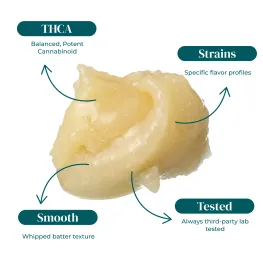
Every product you stock needs a batch-level certificate of analysis, or COA, dated within the last six months, from an accredited third-party lab. The COA should show delta-9 THC, total THC, and THCA percentages. If your supplier can’t produce that document quickly, keep looking for another source.
Watch for red flags such as:
- House labs, meaning in-house testing rather than independent verification
- COAs missing total THC measurements
- Documents that don’t match specific batch numbers on the packaging
Compliance paperwork isn’t paperwork for its own sake. It’s what keeps you on the shelf and out of a conversation with your county sheriff.
A Payment Processor That Works for Hemp
Square, Stripe, and PayPal routinely terminate hemp accounts without warning. Use a high-risk merchant account built for hemp and CBD businesses. Expect processing fees of roughly 3 to 5 percent, compared to the 2.9 percent standard rate on mainstream processors. Always keep a backup processor lined up. One suspension shouldn’t stop your sales for a week.
Basic Business Setup
Most states do not require a special hemp retail license, but verify with your state agricultural department first. Forming an LLC separates personal assets from business liability, takes an afternoon to set up, and costs $50 to $150 in most states. If you’re selling online, you need an age verification gate at checkout. If you’re selling in-store, check local tobacco and hemp retail ordinances.
Recordkeeping That Survives an Inspection
COAs are not a one-time download. Set up a simple system before your first order arrives: a shared folder organized by supplier, then by batch number, with the COA, the purchase invoice, and the shipping manifest for that lot kept together. When a batch sells out, archive the folder rather than deleting it. Most state inspections and payment processor audits ask for records going back six to twelve months, and “I’ll find it” is not an answer you want to give a state inspector standing at your counter. Ten minutes of filing per order beats an afternoon of digging through email when someone asks.
Choosing the Right THCA Products to Stock
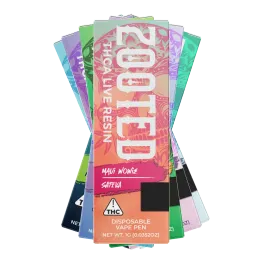
Start lean. Three to five SKUs is plenty until you understand what your customers respond to. Trying to launch with 20 products dilutes your buying power and buries your best sellers.
- THCA flower delivers the highest margin per gram and builds the repeat visits that turn casual browsers into regulars who come back every two weeks.
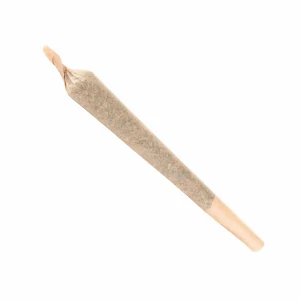
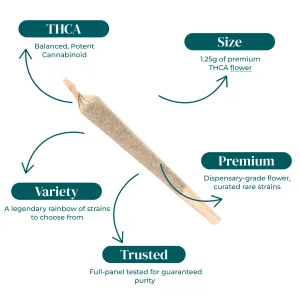
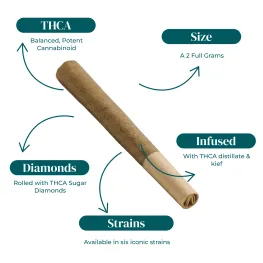
- Pre-rolls are the fastest-moving format in the category because they need zero explanation at the point of sale.
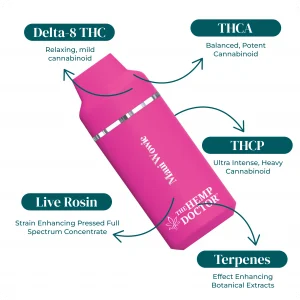
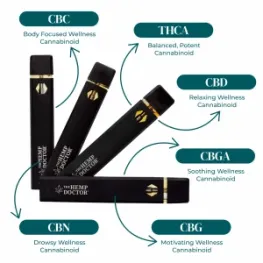
- Vapes have a higher per-unit ticket and drive strong repeat purchases once a customer finds a profile they like.
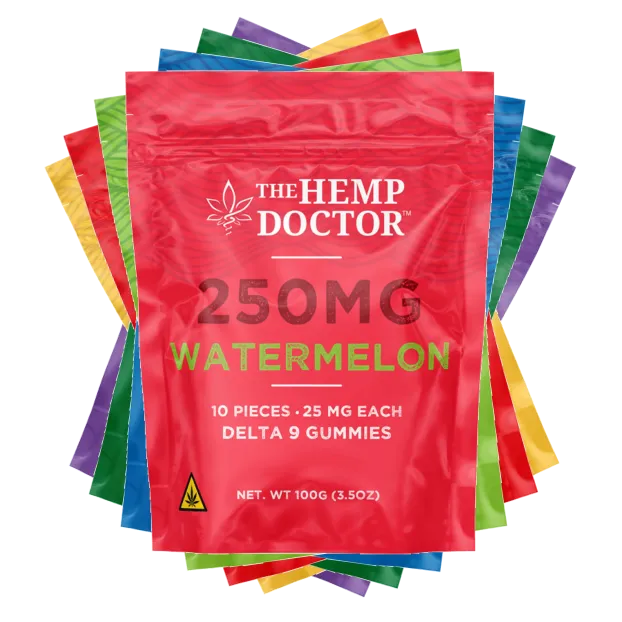
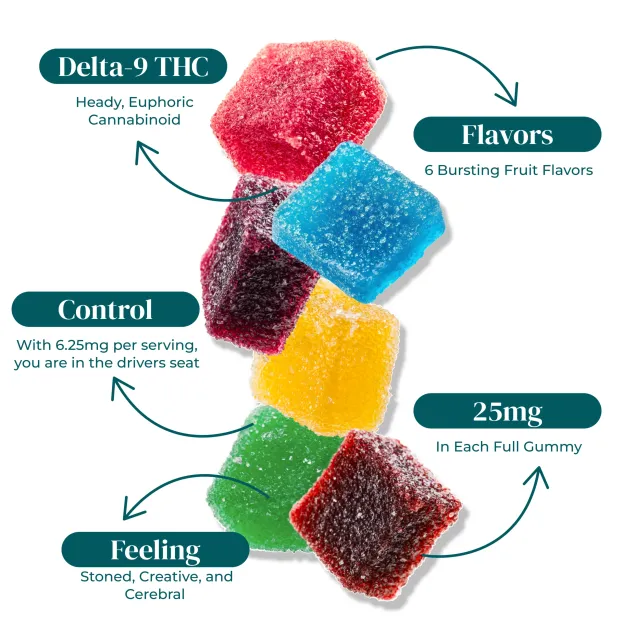
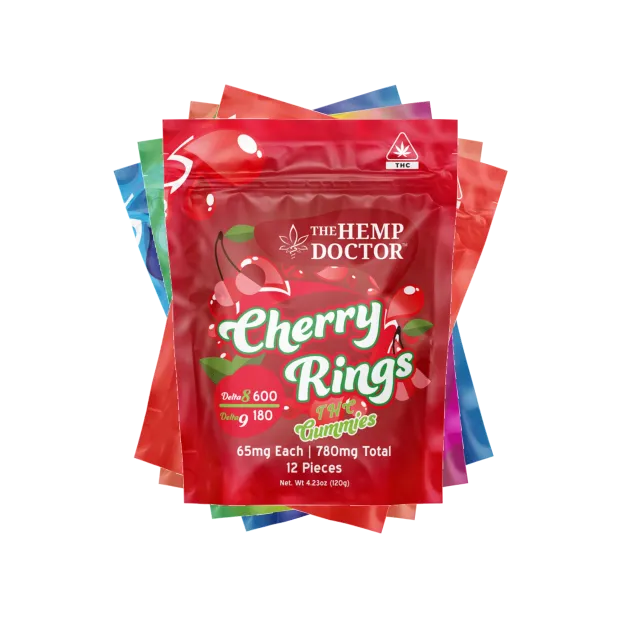
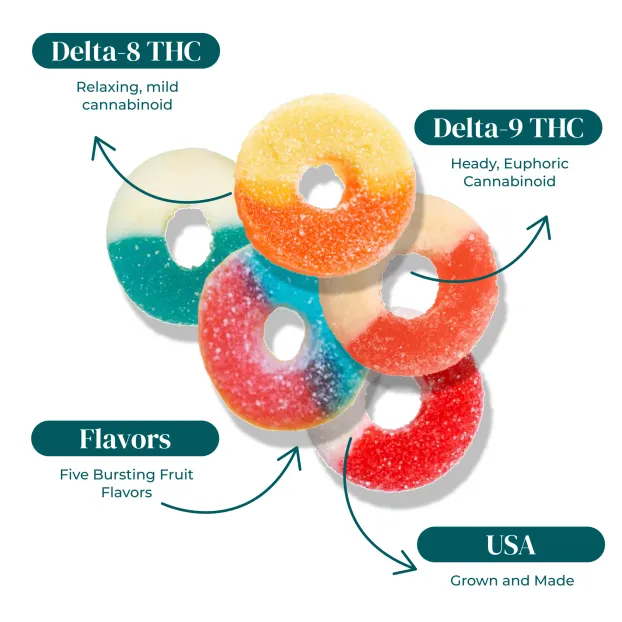
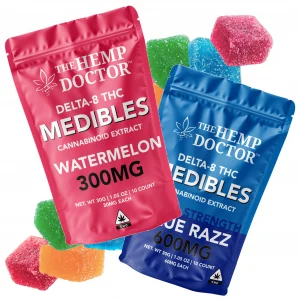
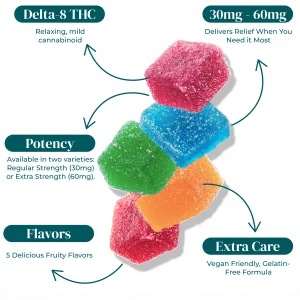
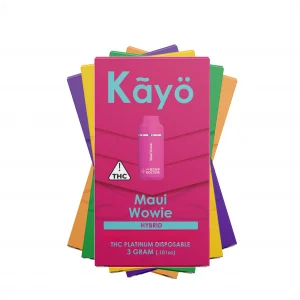
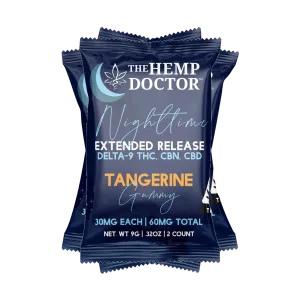
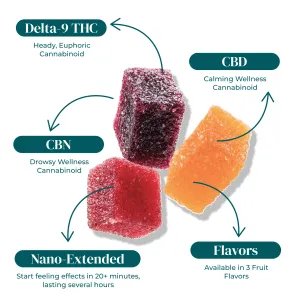
- Gummies work as a visual merchandising anchor that draws attention to your THCA display and cross-sell easily next to existing edibles.
| Product Format | Margin Profile | Repeat Purchase Rate | Education Needed |
|---|---|---|---|
| THCA Flower | Highest per gram | High | Moderate |
| Pre-Rolls | Solid | Fastest-moving | Low |
| Vapes | Higher ticket | Very high, brand-loyal | Low to moderate |
| Gummies | Moderate | Moderate | Very low |
Product mix should also match your specific store, not a generic template. Clay sees this play out constantly across his wholesale accounts:
“You can have two stores in the same town that are five miles apart, and one store may be more flower heavy on sales and pre-rolls, whereas the other store may be more edible and beverage heavy. Just knowing your area, knowing what’s moving, knowing what you need more of on the shelf is huge.”
– Clay Kramm, Wholesale Sales, The Hemp Doctor
Discomfort-focused shoppers lean toward THCA specifically, too. Among Hemp Doctor customers who use hemp for physical discomfort, 20.2% name THCA as their go-to cannabinoid, roughly one in five. That’s a real, validated slice of demand worth stocking for even if flower isn’t your top seller overall.
Don’t confuse SKU count with selection. A shop with three tight offerings, a mid-tier flower, a fast-moving pre-roll, and one standout vape, will outsell a shop with fifteen mediocre options every time, because the customer can actually decide. Add a fourth or fifth SKU only once you know which of your first three is dragging.
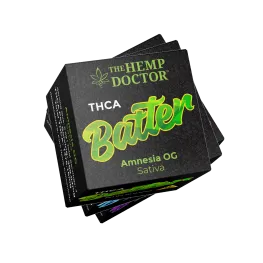
Ready to build your assortment? Browse THD Wholesale’s full THCA product line for lab-tested wholesale flower, wholesale pre-rolls, wholesale vapes, and wholesale Delta 8, Delta 9, and CBD gummies.
How to Sell THCA Online vs. In-Store
Both channels work, but they run on different playbooks.
Selling THCA In-Store
The in-store THCA buyer already knows what they want. They are not walking in to learn about cannabinoids, they are walking in to see your selection and pick something. Your job is to reduce friction between the door and the register.
That tracks with who your customer actually is. Among Hemp Doctor customers, 66.5% are 45 or older and 56.5% have been using hemp products for three or more years. Your average THCA buyer isn’t a first-timer looking for an education. They are a repeat cannabinoid user who wants a fast, confident transaction.
Position THCA near the register for impulse purchases, but do not clutter the display. Three to five SKUs with clean shelf placement outperform a wall of twenty options where nothing stands out. Lead with flower and pre-rolls, they are the highest-velocity THCA formats and the ones most customers recognize on sight. Keep concentrates and vapes in a secondary position for customers who ask.
Staff training is where most retailers leave money on the table. Samantha Evers has spent years building the in-store systems that fix this:
“If you don’t put something in front of your customer with a reason that it’s going to work for them, they’re never going to discover it. A staff that has more understanding, that they’re able to guide a customer base, is going to close more sales.”
– Samantha Evers, Retail Location Marketing Strategist, The Hemp Doctor
Do not train your staff on the chemistry. Train them on one selling point per product and one qualifier question. The qualifier is simple: “Have you used THCA before?” If yes, point them to the strain they’re likely to enjoy based on what they describe. If no, start with a pre-roll or a small flower unit at a lower price point. Lower commitment, lower risk, easier yes.
That instinct to start new customers small isn’t just good salesmanship, it’s Clay’s standing advice across every cannabinoid category:
“A lot of folks mess up by giving them something too heavy. My recommendation to clients that are coming in that are new is start small. Give them something that’s a very low dose.”
On pricing, display MSRP clearly and honor it. Customers who find the same product cheaper elsewhere remember. A laminated COA or QR code to the lab results on the shelf display removes the most common hesitation from a first-time buyer, they see the documentation without having to ask for it.
If you carry multiple THCA formats, separate them visually. Flower in one section, pre-rolls in another, concentrates together. Customers who buy flower do not always browse concentrates and vice versa. Organized format sections reduce the overwhelm that kills impulse purchases.
Selling THCA Online
“Can you sell THCA online” gets asked most often, and the answer is yes, in states where it’s legal, with proper documentation and an age gate at checkout. What the question usually misses is how different the compliance and marketing environment is from any other e-commerce category.
Payment processing is the first thing most retailers do not anticipate. Major processors like Stripe, PayPal, Square, do not support hemp-derived THC products. You will need a high-risk payment processor. Options that currently serve compliant hemp operations include PaymentCloud, Durango Merchant Services, and National Processing. Expect higher per-transaction fees and stricter chargeback thresholds. Factor this into your margin math before you build the product page.
Advertising on Meta and Google is effectively off-limits due to platform policies against hemp promotion. That is not a temporary gap, it is the baseline. Serious operators build around it rather than against it. The three channels that compound over time without platform risk are SEO, email marketing, and direct-to-customer newsletters.
SEO for THCA is underbuilt across most of the market right now. Informational content like Is THCA Legal to Ship?, How Old Do You Have to Be to Buy THCA In 2026, and Why Are Dispensaries Selling THCA, ranks quickly in this category because the competition is thin and the search volume is real. A retailer who publishes consistent educational content in 2026 is building a traffic asset that survives every platform policy update that ever comes.
Email is where THCA revenue compounds. A customer who buys once through your site and joins your list is worth significantly more over twelve months than a one-time transaction. Build flows around reorder timing based on the product they purchased. A 3.5g flower buyer typically reorders in two to three weeks. A COA update or a new strain drop is an email. A compliance update relevant to their state is an email. The retailers who build email lists in hemp while the category is undercompeted will not regret it.
Shipping requires a clear internal policy before you ship a single order. UPS is the most reliable carrier for documented hemp and accepts compliant shipments with proper COAs. USPS permits compliant hemp shipments as long as documentation is on file.
FedEx publicly prohibits hemp, though enforcement varies in practice. Most experienced operators do not rely on them. Whatever carrier you choose, ship with a printed COA inside every package and keep digital copies organized by batch and SKU. If a shipment is ever held or questioned, your documentation is what gets it released.
Age verification at checkout is non-negotiable and also legally required in most states. Software options include AgeID, AgeChecker.net, and Veratad. Build this into your checkout before you take your first order, not after you receive the first complaint.
State restrictions need to be built into your shipping logic at the platform level, not managed manually. Block checkout for customers in states where THCA is prohibited. The list changes, so review it quarterly and update your shipping rules accordingly. Shipping to a restricted state once is an expensive mistake. Shipping there repeatedly is a legal problem.
A quick gut check before you flip the switch on THCA for sale online: if you can’t answer who your payment processor is, which carrier you’re shipping with, and which states are blocked at checkout, in under ten seconds, your online launch isn’t ready yet. Get those three locked before you list a single product.
Pricing THCA Products to Protect Your Margins
Standard retail markup for THCA flower and pre-rolls runs 2 to 3 times wholesale cost. That gives you room to absorb the hidden margin killers most new retailers miss: high-risk merchant processing fees around 3 to 5 percent, lab documentation costs when working with smaller suppliers, insurance premiums for hemp retail, and shipping compliance packaging.
Bundle strategy helps protect the flower price itself. Pair a jar of THCA flower with a grinder, rolling papers, or an accessory at a slight bundle discount. Your average order value climbs without discounting the THCA itself. Don’t compete on price against the internet. Compete on compliance credibility, product knowledge, and the fact that your customers can walk in, ask questions, and walk out with exactly what they need. That’s a value proposition no online-only competitor can match on price alone.
That knowledge advantage is worth taking seriously, not just as a slogan. Among Hemp Doctor customers, 52.1% named product quality and consistency as the top reason they chose the brand, well ahead of the 36.6% who cited price. Documentation and trust are what customers are actually buying alongside the product.
Build Something That Lasts Past December
The retailers who win in the THCA category aren’t the ones panicking about December. They’re the ones using the compliance window to build something durable.
Whether you search it as THCA for sale, THCA for sell, or just how to sell THCA, the retailers who come out ahead in 2026 are the ones who treated sourcing as the foundation, not an afterthought.
THD Wholesale carries lab-tested, Farm Bill-compliant THCA flower, pre-rolls, vapes, and gummies, each with a batch COA ready for your records. Browse the full product line and request wholesale pricing to lock in your assortment before the window closes.
This article is for informational purposes only and does not constitute legal advice.