

Proper dispensary inventory management is a crucial aspect of running a successful cannabis business. By managing your inventory well, you reduce the risk of spoilage, potency loss, and inconsistent stock levels.
While cannabis inventory management can be an involved process, it can also be straightforward. The key is to use your sales data to make informed purchasing decisions.
But the problem is that some dispensary owners, especially in the beginning, tend to stock their shelves with the products they like, rather than what actually moves. Eventually, they end up with an endless supply of a random THC drink no one’s buying, while there isn’t enough of a particular strain to satisfy demand.
When you lead with retail sales data, cannabis inventory management becomes a walk in the park. If you’re wondering how to get started, this guide will answer your questions.
🔑 Key Takeaways
- Sales data for stock inventory reveals what’s selling, how quickly it sells, and which products are worth restocking.
- A good cannabis inventory management system keeps you legally compliant, prevents theft and diversion, and drives profitability.
- Your Point of Sale system already captures vital information: units sold per SKU, sales velocity by category, peak purchase windows, and what repeat customers are buying.
- Stock the products your customers are buying, not the ones you like.
- Different product categories require different approaches to inventory management.
- Never run out of stock again. Your reorder point is simple: multiply average daily sales by your supplier’s lead time, then add a safety stock buffer to catch unexpected demand.
What Is Sales Data for Stock Inventory?
Sales data for stock inventory refers to product-level sales insights pulled from point-of-sale systems, inventory software, e-commerce platforms, and customer purchase records, showing what customers are buying, how quickly items move, and which products warrant more shelf space or reordering.
Why Gut Instinct Fails Dispensary Owners?
Sometimes, it’s easy to get caught in the personal preference trap. It’s tempting to stock unique, high-quality, high-potency products that appeal to your own taste rather than what the velocity data from your POS (Point of Sale) systems shows.
While following gut instinct may work occasionally, it ends up as dead stock and strained cash flow most of the time. The solution is to use retail sales data to inform your purchasing decisions.
How to Read Sales Data by Product Category?
Sales data from different product categories ought to be read differently. Here’s what we mean:
Flower
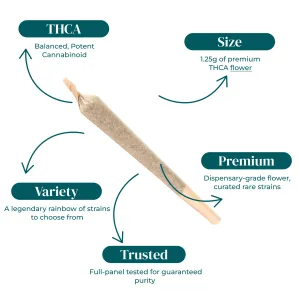
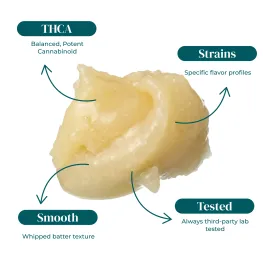
For most cannabis businesses, flower is the highest velocity product. It also has the shortest shelf life, so freshness and expiration date tracking matter more here than in any other category.
In cannabis flower, it’s best to have higher turnover, smaller reorder quantities, and more frequent orders. You’ll accomplish this by doing regular inventory audits, monitoring sell-through rates, and tracking freshness in real time.
Gummies & Edibles
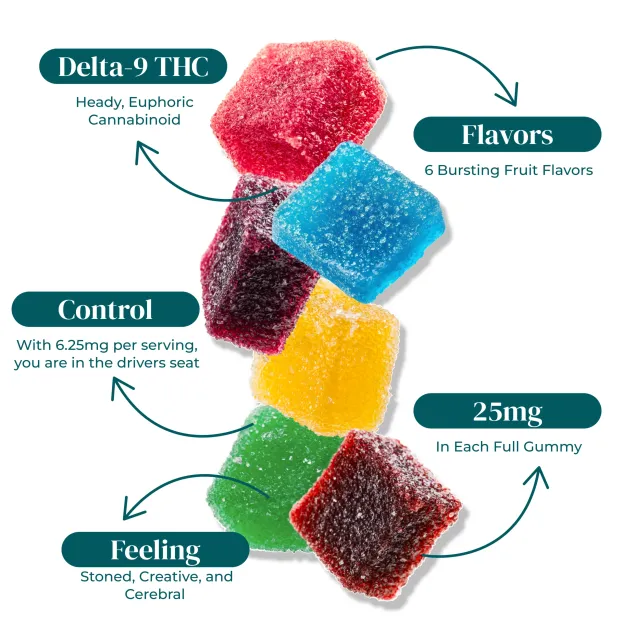
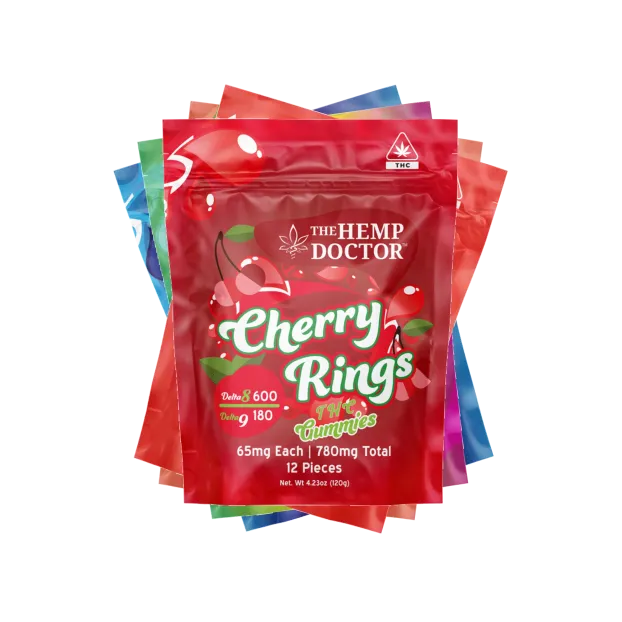
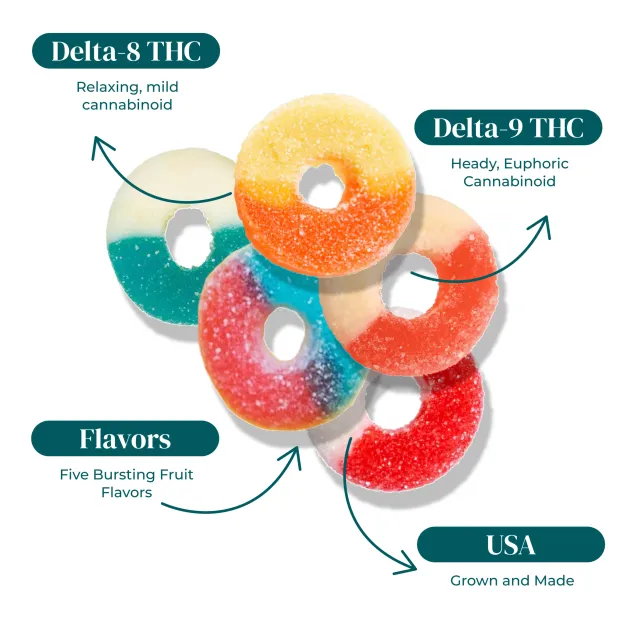
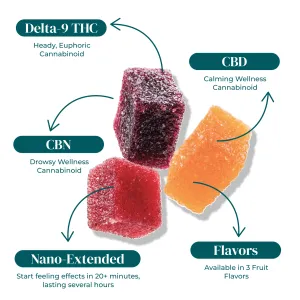
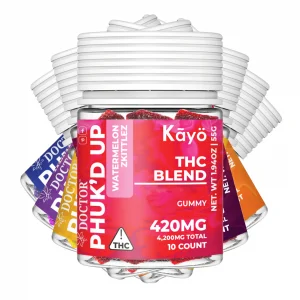
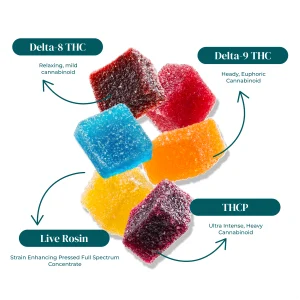
While wholesale Delta 9 gummies have a longer shelf-life than cannabis flower, they are very compliance-sensitive and require lot tracking. They also experience seasonal demand patterns.
Retail sales data will tell you which edibles are flying off the shelves. It will also help you spot underperforming SKUs and discount them before they expire.
| You Might Want to Read Why Smaller Pack Sizes Sell Better in Summer for Cannabis Retailers? |
Vapes
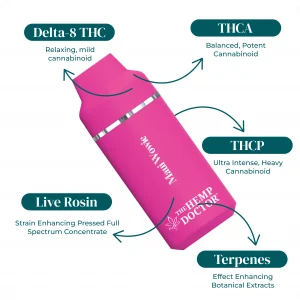
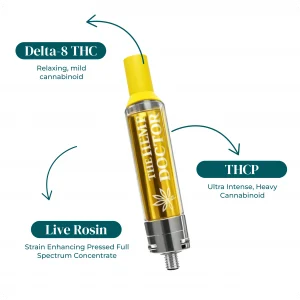
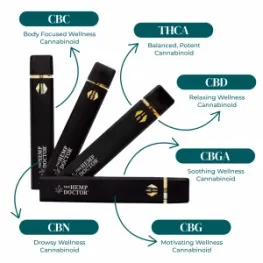
For easier retail inventory management, bulk vaping cartridges and hardware are tracked separately. They cost more per unit than most cannabis products, but they have a lower sales velocity.
Rather than carrying many SKUs, use your sales data to pinpoint high-velocity items and restock those more heavily. This keeps your capital from being tied up in slow-moving or dead inventory.



The Reorder Point Calculator Every Dispensary Should Use
To ensure you never run out of high-velocity cannabis products without overstocking, it’s essential to figure out the perfect time to order more units. This is known as the reorder point: the exact stock level that should trigger a reorder, rather than waiting until you notice inventory is running low.
Use the following formula to find this point:
Reorder Point = (Average Daily Sales x Lead/Wait Time) + Safety Stock
- Average daily sales— the average number of units a product sells per day
- Lead time— the number of days your supplier takes to fulfill your order
- Safety stock— an extra number of units you keep as a buffer for unexpected supplier delays or demand spikes
Here’s a worked example:
Let’s say you sell 10 units of a certain strain every day, your supplier takes 4 days to deliver, and you want to order 5 extra units as a safety buffer.
Your Reorder Point = (10×4) + 5 = 45 units
So, when your inventory drops to 45 units, place a new order. By the time it arrives four days later, you’ll have about 5 left— just enough to keep selling while you wait for your delivery.
Inventory Management Best Practices for Every Retail Cannabis Business
Now that you know how useful retail sales data is in dispensary inventory management, let’s look at some of the best inventory management practices every successful cannabis business follows.
1. Create Par Levels for Each Product Category
While the reorder point tells when to order, par levels tell you how much of a product you should always have on hand.
Analyze your sales data over time to identify the minimum number of units that keeps you covered between orders. This way, you’ll be able to satisfy your customers’ needs without tying up capital in excess stock.
2. Conducting Regular Cycle Counts Rather Than Periodic Full Inventory Audits
Some cannabis retailers count everything in the store at once every month or quarter. This is called a full inventory audit, and it can interrupt daily operations. Others use cycle counts, which means counting small parts of inventory over time instead of all at once.
For instance, you can audit the flower section one week, edibles the next, and vapes the week after. This is ideal because you don’t have to shut down operations completely to do it, and you become aware of discrepancies as soon as they arise.
That said, you should still do a full inventory audit from time to time, even if you perform regular cycle counts.
3. Automate All Data Collection
Manual data entry is the enemy of accurate dispensary inventory management and one of the most common sources of costly errors.
When your team records all data by hand, it creates room for mistakes that compound over time, making stock reconciliation a nightmare and corrupting your inventory data.
Proper retail inventory management means reducing manual data entry wherever possible. Use well-integrated inventory management software and POS systems that automatically collect data, and inventory headaches will be a thing of the past.
4. Monitor Real-Time Stock Levels
Modern cannabis inventory management software lets you monitor stock levels in real time as sales occur. If a paid ad causes an unexpected spike in purchases, you immediately see your inventory decrease.
This way, you can place new orders before your shelves are empty, ensuring your customers are always satisfied, even during unprecedented events.
5. Factor In Delays Along the Supply Chain
You may have the most reliable suppliers on Earth, but things happen. They may not always deliver in the exact timeframe you’re used to.
It’s, therefore, not a good idea to build your reorder point around the best-case scenario. If the order runs late, you’ll be out of stock before the next batch arrives.
Instead, factor in their worst delivery timelines— when they say 3-6 days, work with 6 days. This way, you still have products to sell while your source wrangles out delays along the supply chain.
Choosing the Right Inventory Management System
Here are features to look for in dispensary inventory management systems for a cannabis business:
1. Built-In Seed-to-Sale Compliance
The legal cannabis industry requires cannabis retailers to track every product from when it is a seed to when it is sold.
A good inventory management system integrates with your seed-to-sale tracking system, so you don’t have to maintain separate records and reconcile them manually. This will save you lots of time, keep your inventory data accurate, and ensure you’re compliant with the law.
2. Real-Time POS Integration
An inventory management system that’s connected with your POS is crucial in the cannabis industry. With such a system, you reconcile inventory in real time.
For example, when a customer buys some edibles the stock levels are updated automatically. You receive low-stock alerts as soon as you hit your par levels, making it easier to make stocking decisions.
3. Real-Time Dashboards
A good inventory management system makes it easy to see the stock levels and other relevant information at a glance. If it has a dashboard you can look at and use the information to make quick stocking decisions, that’s a winner.
4. Expiration Date Alerts
When cannabis products expire, they come with losses. However, they also cause potential compliance violations, especially if you forget to take them off the shelves.
A good store inventory control system alerts you before an item expires. This gives you enough time to discount the item, move it to a new location, or take it off the shelves before it becomes a compliance violation.
For edibles, which have a shorter shelf life, these expiration date alerts are a lifeline.
5. Ignore IMS Platforms With Bloated Features
Some dispensary inventory management systems sell cannabis retailers on features they’ll never even use. Rather than paying for a bloated system, determine what you actually need and go for software that delivers it.
If a program allows real-time monitoring and integration with POS and seed-to-sale tracking systems, and flags issues before they become an emergency, it will do. Everything else is an add-on that may not be necessary for your cannabis business.
Why Does Good Cannabis Inventory Management Matter?
Proper retail inventory management is non-negotiable if you want to operate a successful cannabis business. Here’s why it’s so important:
1. It’s legally mandated.
State regulators require cannabis retailers to use a seed-to-sale tracking system. These measures help prevent theft, diversion to the black market, and access by unlicensed parties. Having a good dispensary inventory management system will keep your store compliant with these regulations.
2. It prevents theft & diversion.
Administrative errors and diversions are a potential compliance nightmare. A compliant inventory management process involves regular inventory audits, accurate counts, and access control. This way, you’re aware of any thefts or leaks as soon as they happen.
3. It enhances customer experience.
Few things frustrate customers more than walking into their local cannabis dispensary for the third time in a row and missing their favorite Wedding Cake pre-rolls.
Today’s customers are loyal to certain cannabis products. When you have a well-integrated dispensary inventory management system, you can always count on it to have its go-to products in stock.
The result is an enjoyable purchasing experience that helps build loyal customers more reliably than discounts and sales.
4. It drives profitability.
A good inventory management system gives you clear insight into which products are actually selling and which are simply taking shelf space— and holding up crucial capital.
With your fast-moving items always in stock, you don’t lose sales to competitors, build a reputation for reliability, and cultivate a loyal customer base. This is how you create an efficient and profitable operation.
When You Get Cannabis Inventory Management Wrong
Proper inventory control is literally a legal mandate. Other than tying up cash in dead stock and pushing customers to competitors, compliance errors put your cannabis retail license at risk.
For instance, failing to take expired edibles off the shelf may bring regulatory audits. Too many infractions and your cannabis business can no longer operate.
The good news is it’s not hard to be compliant. Simply implement a reliable dispensary inventory management software, and you’re well on your way to staying compliant and profitable.
Avoid inventory mistakes that cost sales and create compliance headaches. See how THD Wholesale can help you keep your shelves stocked with compliant, fast-moving products.
Apply to be a The Hemp Doctor Wholesaler!