

Summer is one of the toughest seasons for hemp retailers. Heat, humidity, and warmth can all take a toll on your inventory, especially with THC edibles. For most product categories, storage is a back-of-mind concern. For chocolate edibles and gummy edibles, it becomes an active quality-control issue.
Chocolate edibles are among the most heat-sensitive products you can carry. They can soften, lose their shape, or develop a white coating called bloom without ever leaving the sealed package. Left unmanaged, heat-damaged chocolate is the kind of thing a customer would photograph and post online.
Because of these risks, having a custom storage strategy during the summer months is essential, especially for your edible chocolate inventory. Below, you’ll find tips on how to handle edible chocolate product storage during the summer, and what smart storage looks like at the store level.



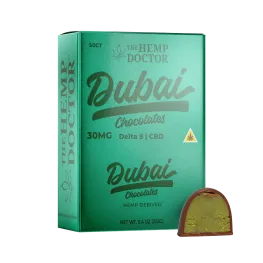

Best Practices for Storing Chocolate Edibles in a Retail Setting
Good edible storage at the retail level is not complicated, but it does require attention and consistency, summer or not. Here is a practical set of basic guidelines that apply to storing edibles in the retail setting:
- Store all edibles in a cool, dry place away from heat sources and sunlight.
- Keep products away from windows, exterior walls, doors, and any display area exposed to direct light.
- Never leave chocolate edibles in a vehicle, even briefly.
- Use first-in, first-out inventory rotation to ensure older stock reaches customers before newer stock.
- Keep all products in original packaging until the point of sale.
- Monitor your retail environment’s temperature during the summer months and adjust storage accordingly.
- Use refrigeration for heat-sensitive products when ambient conditions require it.
- Train staff to communicate storage instructions to customers, especially first-time buyers.
- Inspect packaging and product appearance as shipments arrive, before products go to the shelf.
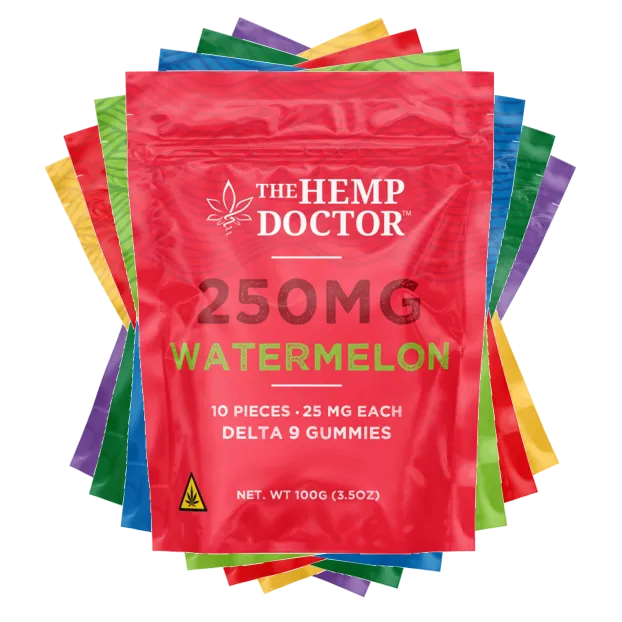
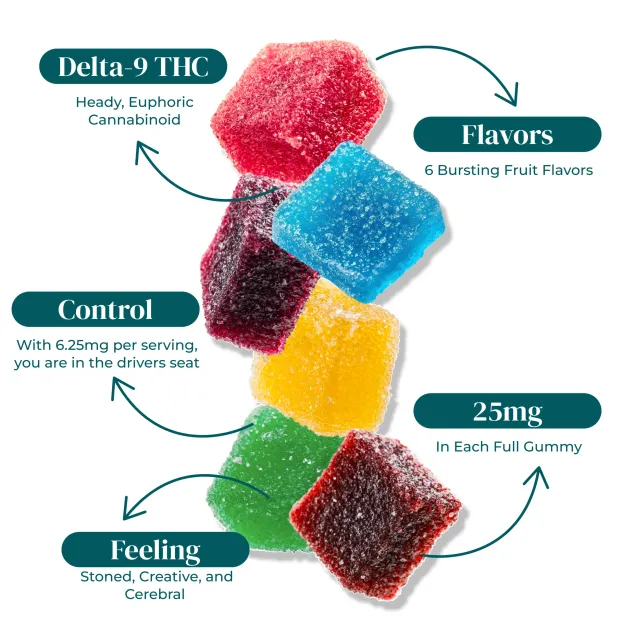
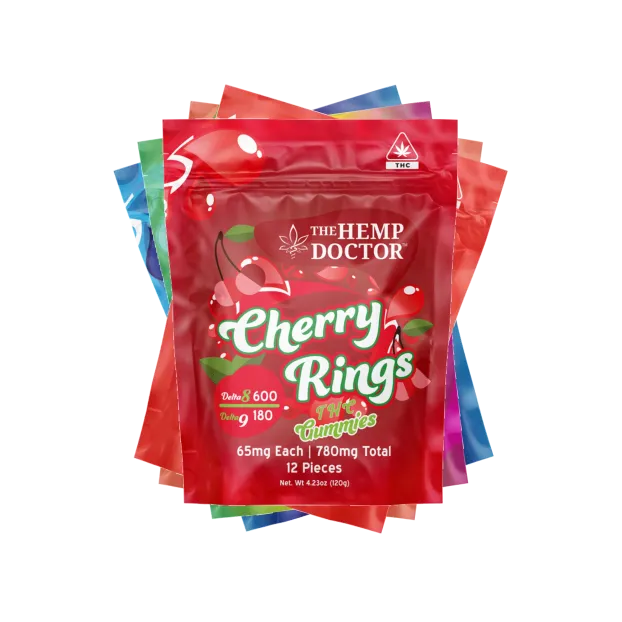
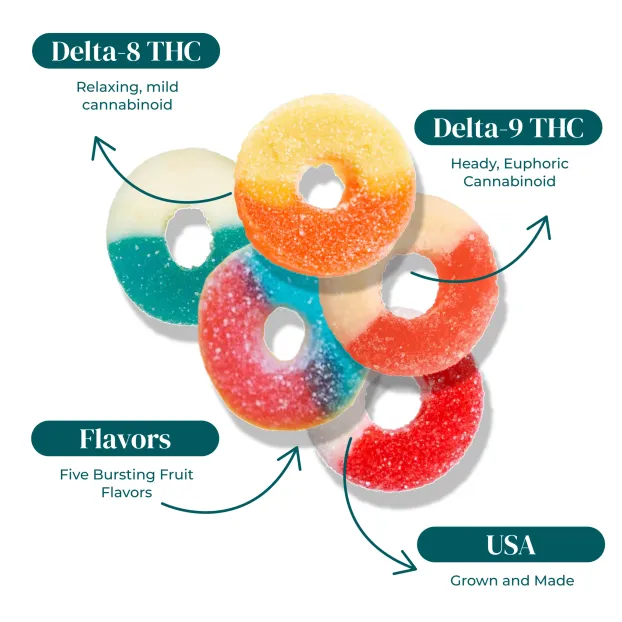
For retailers who carry wholesale Delta 9 edibles or wholesale CBD edibles, applying these storage practices consistently across your inventory reduces complaints, cuts down on visible damage, and protects your reputation as a quality retailer.
You Might Want to Read
Best Way to Store Cannabis Flower in Bulk: Tips From Warehouse & Store Experts
Summer Shipping and Receiving Tips for Heat-Sensitive Products
Proper storage begins before products even reach your shelf. Summer shipping and receiving is a critical window when heat exposure can cause real damage.
Here are some of the best practices for receiving heat-sensitive products during summer:
- Track your shipments closely and plan for deliveries during cooler parts of the day when possible.
- Avoid leaving packages outside or in warm receiving areas after they arrive.
- Inspect chocolate edibles promptly after delivery. Look for signs of softening, bloom, or packaging stress before the product goes into inventory.
- Move heat-sensitive products into a climate-controlled storage area as quickly as possible after receiving.
- When placing orders, consider timing around heat advisories or extended hot weather forecasts.
- Communicate with your supplier about summer shipping expectations, including whether ice packs or insulated packaging are used.
Retailer Summer Handling Checklist
A word from Samantha Evers, The Hemp Doctor Retail Location Marketing:
“We built this checklist after fielding the same questions from retail locations every summer, chocolate melting on the shelf, gummies losing their texture, and inventory turning faster than expected. Every line on that list traces back to a real situation a location ran into. The receiving step, the FIFO rotation, the reminder about hot cars, those aren’t filler. They came from conversations with our retail partners about what was actually going wrong. We wanted something a store manager could hand to a new team member on a busy Saturday in July and have it actually mean something.”
Use this checklist as a quick reference for your team during the summer. Consistent habits across your staff create consistent product quality for your customers.

Why Does Summer Heat Affect Edible Storage Management?
Heat affects edible products long before a customer reaches for them on your shelf. From the moment a shipment leaves a warehouse to the moment a product is displayed, the product is exposed to escalating temperatures.
Here is what hot weather can do to your inventory:
- Direct sunlight near windows or display cases can raise surface temperatures, softening chocolate and accelerating degradation.
- Warm delivery trucks can expose products to high heat during transit, particularly during summer afternoon deliveries.
- Backroom and stockroom heat is often overlooked.
- High humidity causes moisture to form inside packaging when temperature shifts occur. This can affect texture, stickiness, and presentation.
- Repeated temperature swings create condensation cycles that are especially damaging.
The core issue is that a product can look damaged without being unsafe or expired. Melted chocolate that resets unevenly still retains its cannabinoid infusion, but a customer does not see it. They see a product that appears to have been mishandled and set it back on the shelf.
Why Chocolate Edibles Need Special Summer Handling?
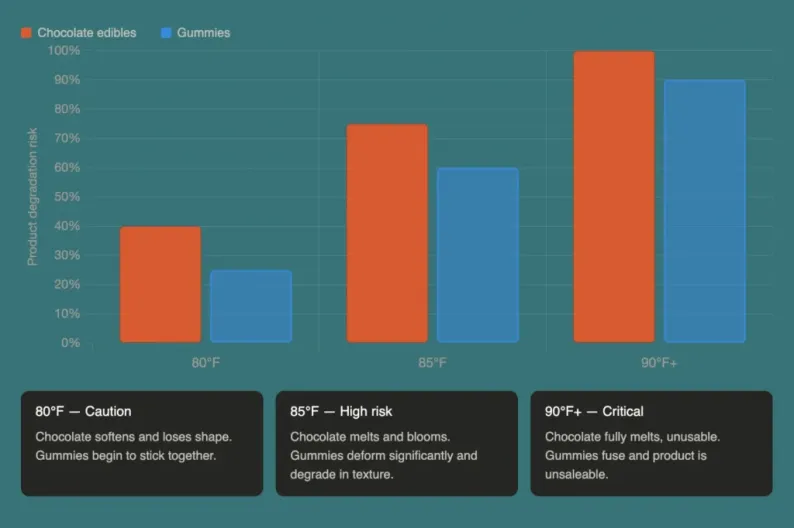
Chocolate is a fat-based product that reacts quickly and visibly to heat. Most chocolate begins to soften somewhere around 80 to 85 degrees Fahrenheit. Retail environments near windows, doors, or poorly ventilated shelving can easily reach those temperatures during a summer afternoon, even with air conditioning running.
Chocolate bars can soften and lose their molded shape even without fully melting, and the damage does not always stop there. Melted chocolate that resolidifies does not always reset cleanly. It can look dull, uneven, or spotty, which affects how customers perceive the product before they even open it.
Surface appearance is another concern. Fat bloom, the white or grayish coating that forms when cocoa butter separates due to heat exposure, can develop on a product that is otherwise intact and usable. Customers who do not know what bloom is will often assume the product is damaged or expired.
Over time, repeated warming and cooling cycles compound these issues by gradually changing the texture of the chocolate and degrading the eating experience. By the time a product reaches the shelf, it may look damaged inside a sealed package, and that appearance alone is enough to generate customer complaints and returns.
During summer, even a brief period of exposure can be enough to trigger visible changes. Chocolate bars need more protection than standard shelf-stable packaged goods, and your storage and display practices should reflect that.
Should You Keep Chocolate Edibles in the Fridge?
This is one of the most common questions retailers and consumers ask, and the answer depends on your environment.
If your retail space is warm, humid, or frequently exposed to summer heat, refrigeration can be a practical option for protecting edible texture and freshness. If your space is cool, dry, and out of sunlight, a cool, dry room temperature is usually enough.
The main concern with refrigeration is moisture and condensation. When you move gummies from a cold refrigerator into a warmer retail environment and open the packaging immediately, moisture can form on the surface of the product.
Samantha Evers, The Hemp Doctor Retail Location Marketing Strategist, says, “From a storage and handling standpoint, the biggest risk we see with refrigerating edibles isn’t the cold itself, but the transition. Temperature differentials between a refrigerated unit and the retail floor create condensation the moment packaging is opened, and that moisture directly compromises product integrity. Our standard protocol is to always let sealed products equilibrate to ambient temperature before opening. If that step gets skipped, you’re looking at texture degradation and potentially shortened shelf life. The cold chain only protects the product if it’s managed consistently from storage to shelf.”
If you choose to refrigerate, here is what to keep in mind:
Keep products sealed in their original packaging or an airtight container.Allow the container to sit at room temperature for a few minutes before opening to let temperatures equalize.Avoid moving edibles in and out of the fridge repeatedly throughout the day.Remind customers to do the same at home.Always follow the storage instructions on the product label.
How Long Can You Store Edibles?
The shelf life of edibles depends on several factors: the type of product, the ingredients used, the packaging, and the printed expiration or best-by date on the label. There is no universal answer that applies to every edible on the market.
For retailers, a few key points apply to most edible products. Chocolate and gummies age differently: chocolate may bloom or dry out over time, while gummies may harden, soften, or lose their intended consistency. In both cases, product freshness, including taste, texture, and appearance, may decline before potency becomes the primary concern.
Open packages have a significantly shorter usable window than sealed ones, and heat, light, air, and moisture all accelerate that degradation. Retailers should follow expiration dates strictly and use FIFO rotation to keep aged inventory off the shelf.
Understanding edibles’ shelf life as a retailer means recognizing that storage conditions directly affect how long your products stay sellable, not just safe. A product stored in poor conditions for two months may look and feel older than one stored correctly for four months. The shelf life of edibles is always conditional on how they are handled.
Final Thoughts
Summer storage failures rarely happen all at once. They happen incrementally, like a shipment that sat in a warm receiving area for an hour, a display shelf that catches afternoon sun, a staff member who skipped the re-tempering step before opening a refrigerated package.
Building consistent handling habits across your team is what closes that gap. Retailers who carry a broad range of hemp products, alongside edibles, need to apply category-specific storage knowledge across their inventory.
Edibles require extra attention during summer, and a checklist like this helps standardize that attention across your whole team. If you are ready to expand your edible inventory with a supplier that understands the operational side of carrying hemp products, apply to become a The Hemp Doctor wholesaler and get access to a range of quality-tested products built for retail success.