
Summer changes how customers shop. Warmer weather, more social occasions, and an overall shift toward seasonal products all create conditions that make impulse buying more likely.
Product sampling is one of the most effective tools a retailer can use to capitalize on that momentum.
Let’s explore how introducing product sampling during the summer can drive sales to your store.
🔑 Key Takeaways
- Sampling drives instant purchases by letting customers try before they buy, reducing hesitation.
- Summer boosts effectiveness thanks to higher foot traffic and a stronger “try something new” mindset.
- It accelerates new product adoption by turning unfamiliar items into easy, firsthand experiences.
- Simple execution wins—focus on 1–2 products, train staff, and connect samples to a clear next step.
- Tracking results is essential to measure impact, refine strategy, and guide reorders.
What Is Product Sampling?
Product sampling is the practice of letting customers try or experience a product before committing to a purchase. It can take many forms: an in-store demo, a staff-led recommendation with a small sample portion, a sampling table near the point of sale, or a sampling promotion tied to a featured product for a limited time.
Product sampling is more than a marketing tactic. It is a tool for testing demand, introducing new SKUs to your customer base, and gathering real-time feedback before you commit to deeper inventory.
When a customer tries something and likes it, you have a signal. When customers consistently reach past a sampled product and choose something else, that is a signal too.
Used well, product sampling bridges the gap between what sits on your shelf and what customers actually understand well enough to buy.
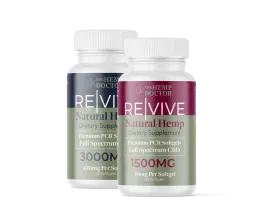
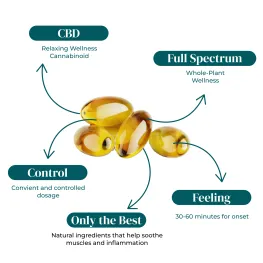
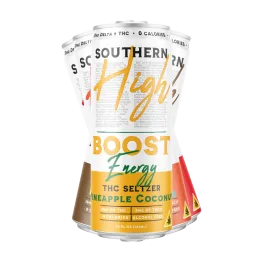
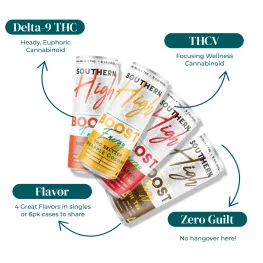

Why Product Sampling Works Especially Well in Summer?
Summer is one of the strongest seasons for consumer sampling. Customers are already in a discovery mindset. They are shopping for cookouts, concerts, beach trips, and social weekends. They are more open to trying something new when the context makes sense. A cold drink, a portable gummy format, or a low-dose option designed for outdoor occasions fits naturally into how people think about summer.
Summer also tends to bring more foot traffic. New customers who have not been to your store before are ideal candidates for product sampling because they have no purchase history to rely on.
Summer sales also benefit from the seasonal product effect. Customers who might ignore a drink mix in February are more likely to engage with it in July. Sampling campaigns built around seasonal products help customers connect products to the moments when they are most useful.
Samantha Evers, our Retail Location Marketing Strategist, tells a case story about:
A retailer in the Charlotte area ran a Delta 9 drink sampling weekend tied to a July 4th promotion. They featured two SKUs (watermelon and a citrus flavor) and trained staff on a single talking point: “It’s a 10mg drink, light enough for an afternoon out.” By Sunday evening, they had moved through 60% of their on-hand inventory and placed a reorder before the week was out. No complex campaign. Just the right product, the right season, and a staff that knew what to say.
How Product Sampling Helps Retailers Sell New Products
New products face a specific challenge in retail: customers cannot evaluate them without trying them, and they are often unwilling to spend money on something unfamiliar. Consumer sampling solves this problem.
Consider how this plays out across different product formats:
- A customer who has never used a drink mix may not understand it from looking at the package alone. Watching a staff member prepare it, or tasting it themselves, changes the conversation entirely.
- A shopper hesitant about gummies may be more willing to buy after tasting a flavor profile they actually enjoy.
- A customer who has never tried hemp beverages may be open to wholesale Delta 9 drinks once they understand the format and experience.
- A retailer who uses sampling to introduce a new SKU gets real customer feedback before deciding whether to reorder at volume.
Product sampling marketing works because it turns product discovery into a direct experience rather than a sales pitch. Customers who feel they made their own choice are more likely to trust that choice and return for repeat purchases.
In Store Sampling: Turning Foot Traffic Into Conversations
In-store sampling works because it gives your staff a reason to engage. Instead of waiting for a customer to ask a question, a team member can approach with a featured product and a simple offer. That one interaction can change a browsing visit into a buying decision.
🎙️What a good 15-second staff pitch sounds like:
“We’re sampling [Product Name] today. It’s a [10mg / low-dose / CBD] [gummy/drink], great for [afternoons / social occasions / winding down]. Want to try one? It’s right over here on the shelf if you like it.”
Short. Specific. Low pressure. That’s the standard.
Execution matters here. A sampling table that looks disorganized, a staff member who cannot clearly explain the product, or a sample that has no connection to a nearby display all reduce the impact.
The best in-store sampling setups share a few things in common:
- A clean, visible sampling area near high-traffic zones or checkout.
- One or two featured products at a time.
- Staff trained on a short, simple talking point for each product.
- Clear signage that ties the sample to a nearby shelf display.
- A natural next step is infused in the conversation, such as a limited-time offer or a bundle.
- Age-gating protocols visible to staff and enforced.
The customer experience at a sampling table should feel effortless. The customer should leave with a clear understanding of what they tried, why it might fit their needs, and where to find it in the store.
You Might Want to Read
Dispensary Customer Engagement Tips That Turn Browsers Into Buyers
Choosing the Right Products for Summer Sampling
Not every product in your inventory is a good candidate for sampling. The best products to feature are easy to explain, seasonally relevant, and likely to drive repeat purchases once a customer decides they like them.
Strong sampling categories typically include:
- Drinks and drink mixes: Portable and easy to prepare at a demo station. Wholesale Delta 9 drinks and similar formats are natural candidates for summer sampling.
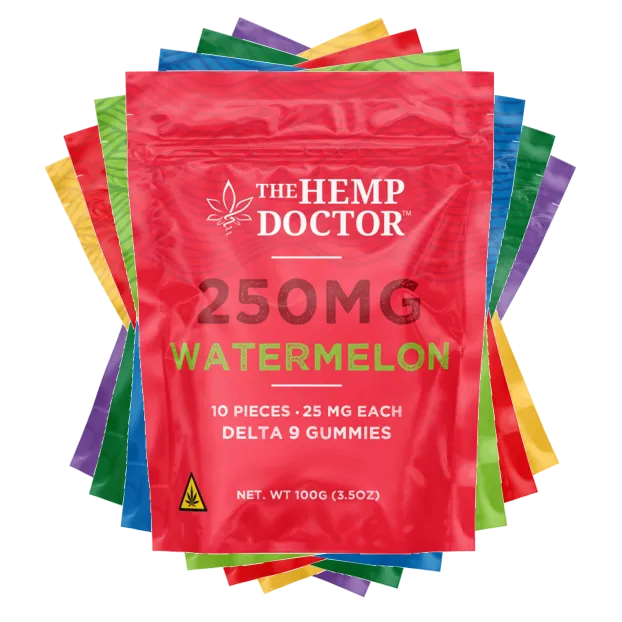
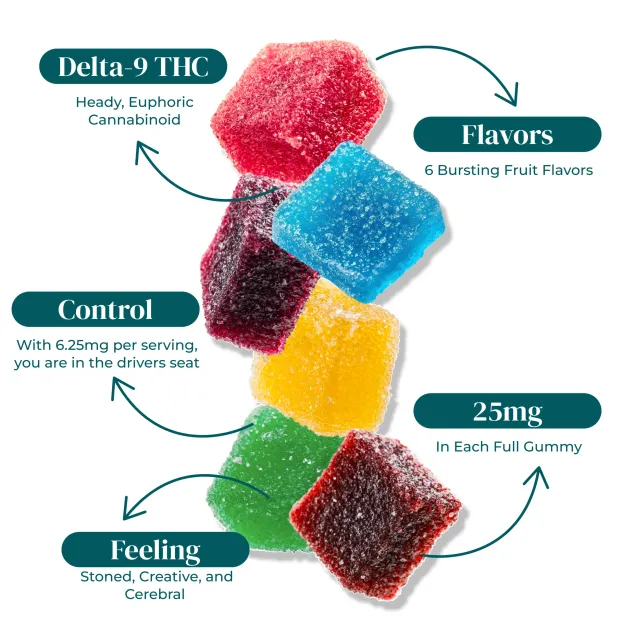
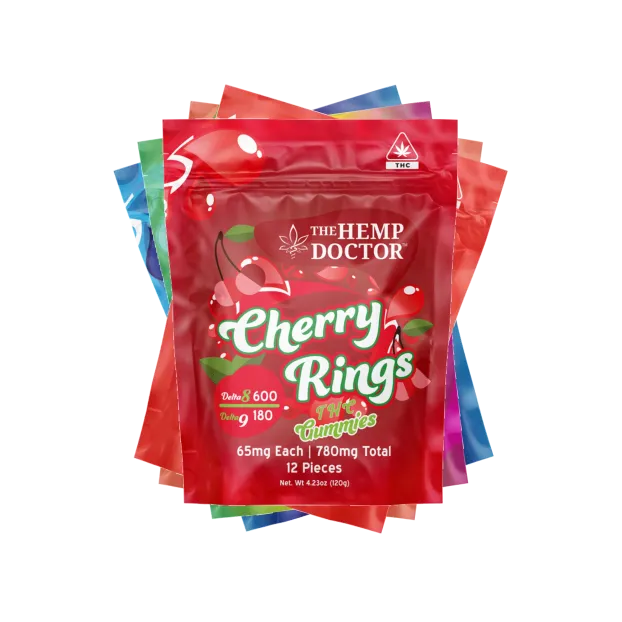
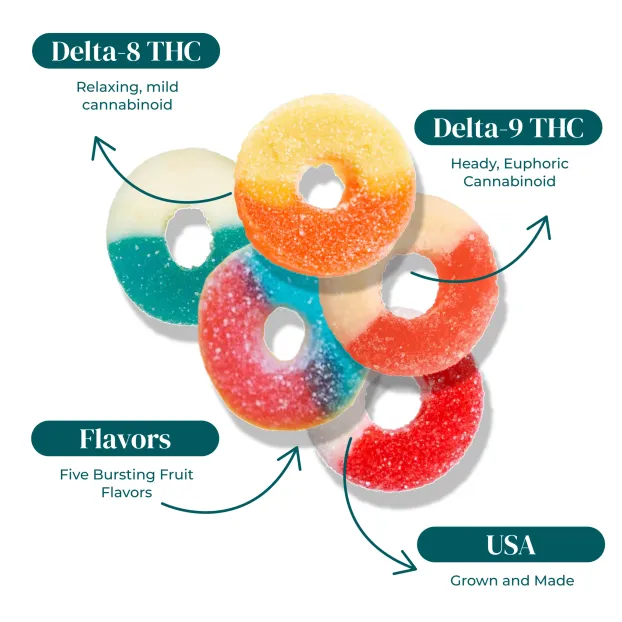
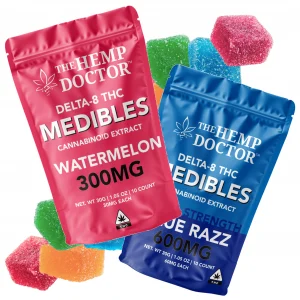
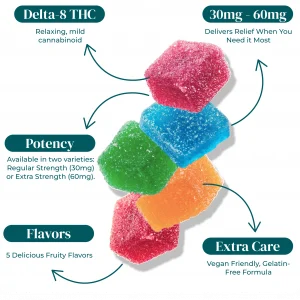
- Gummies: Easy to portion, flavor-forward, and familiar enough. Delta 9 gummies and CBD gummies are both practical options for summer sampling tables.
- Low-dose products: Ideal for new customers or those who are cautious about trying new hemp products.
- CBD products: Non-intoxicating and broadly appealing, CBD products are some of the easiest products to introduce through sampling.
- New arrivals and flavor-forward SKUs: Products with strong reorder potential benefit most from the trial-to-purchase pipeline that sampling creates.
One note on chocolate edibles: they are a solid format for product sampling in general, but summer heat requires extra attention. If you feature chocolate at a sampling station, keep it away from direct sunlight and avoid leaving it out longer than necessary.
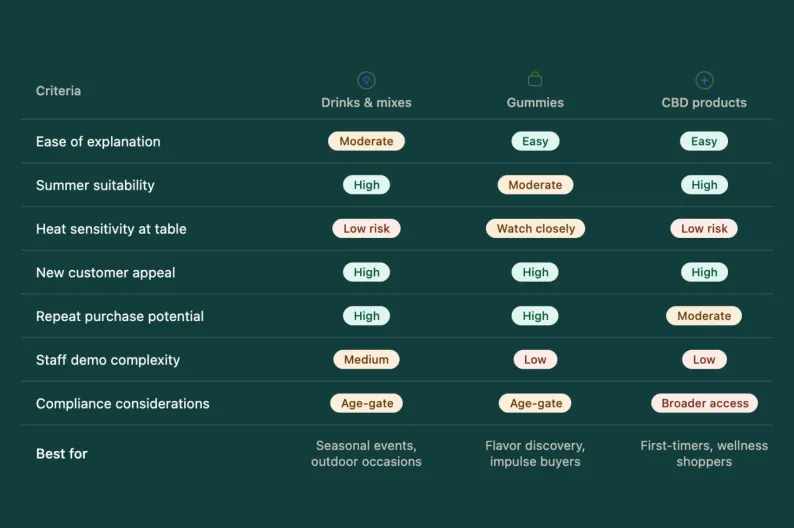
Here’s a product category comparison table between cannabis drinks, gummies, and CBD products.
How to Build a Simple Sampling Promotion
A sampling promotion does not need to be complicated to work. The goal is straightforward: connect a customer’s trial experience to a clear and easy next step.
Here is a simple structure that works for most hemp retail environments:
Step 1: Choose a product. Pick one SKU, ideally a new arrival or a seasonal product with strong reorder potential.
Step 2: Set a campaign window. A one- to two-week window gives you enough time to gather meaningful data without the campaign losing momentum.
Step 3: Train staff before the campaign starts. Every team member working during the sampling promotion should be able to explain the product in 15 seconds or less.
Step 4: Create a visible display. Pair the sampling table with a nearby shelf display or point-of-sale placement so customers can immediately act on their interest.
Step 5: Build in a next step. Give customers a reason to buy today. A simple offer like a percentage off the full-size product, a bundle deal, or a featured display price.
Step 6: Track units sold before, during, and after. Compare sales velocity to measure the campaign’s actual impact.
Step 7: Collect staff feedback. Ask your team what customers said, what questions came up most often, and which talking points landed best.
You Might Want to Read
Why Smaller Pack Sizes Sell Better in Summer for Cannabis Retailers?
Measuring Product Sampling Success
One of the most common mistakes retailers make with sampling is running a campaign and then failing to measure its impact. Without measurement, you cannot learn what worked, and you cannot build on it.
Simple metrics worth tracking during and after any sampling promotion:
- Units sold of the sampled product before, during, and after the campaign window.
- Repeat purchases of the sampled product within two to four weeks of the first transaction.
- Basket size during the campaign. Did customers who sampled tend to buy more overall?
- Sell-through rate of the sampled SKU compared to the rest of your inventory in that category.
- Customer feedback collected by staff includes flavor preferences, format questions, and general reactions.
- Reorder speed. Did you need to place a new wholesale order faster than expected?
- Staff feedback on which talking points generated the most positive customer responses.
Conversion rate, which is the share of customers who tried a sample and then purchased, is the most direct measure of sampling effectiveness. Even a rough estimate based on staff observation gives you a useful benchmark for comparing future campaigns.
Common Product Sampling Mistakes to Avoid
Even well-intentioned sampling campaigns can underdeliver when execution falls short. These are the most common mistakes hemp retailers make—and how to avoid them:
- Sampling too many products at once. More is not better. A table with 10 options creates confusion and makes staff conversations more difficult. Stick to one or two products per campaign.
- Not training staff before the campaign. Customers can tell when a staff member is unfamiliar with what they are offering. Preparation is the difference between a good sample and a missed sale.
- No clear offer after the sample. A sample without a next step is a free product with no return. Every sampling session should end with a clear invitation to purchase.
- Poor product placement. If customers cannot immediately find the product they just tried, you lose the conversion. The sample and the shelf display should be connected.
- Not tracking results. Without data, you cannot improve. Even basic tracking gives you something to work with for the next campaign.
- Sampling products that are hard to explain quickly. If your staff needs five minutes to explain a product, it is not a good sampling candidate.
- Ignoring local compliance rules. Age-gated retail environments have specific requirements. Sampling cannot bypass those rules, and your team needs to know exactly what is and is not permitted.
- Running samples without a reorder plan. A successful campaign will accelerate sell-through. Make sure your inventory planning accounts for the possibility that the sampled product moves faster than expected.
- Leaving heat-sensitive products out too long. In summer retail environments, gummies, chocolate edibles, and similar formats can degrade in quality if left at a sampling table for extended periods. Rotate stock at the table regularly.
If you are ready to expand your hemp product inventory for summer and build sampling campaigns around quality, in-demand products, apply to become a The Hemp Doctor wholesaler and get access to a full range of gummies, drinks, edibles, and CBD formats built for retail success.