
Every cannabis lover knows that exact moment upon opening a jar or baggie of their favorite bud. The instant wave of aromas hit you with enough force, much like a splash of cold water in the face. And depending on your preferred strain, you’ll get a whiff of bright citrus, funky gas, or earthy pine.
Those aromas are all thanks to “terpenes.” If you’ve explored the magic herb deeper than surface level, you’ve likely heard this word before. But what’s uncommon knowledge about terpenes is their fragility as a compound. Exposure to heat, light, and air can cause them to fade quickly, which is why concepts like the terpene shield are useful.
In this article, we’ll explore what terpenes are, how they function, and the terpene shields that preserve the freshness and flavor of buds.
Why Terpenes Need Protection?
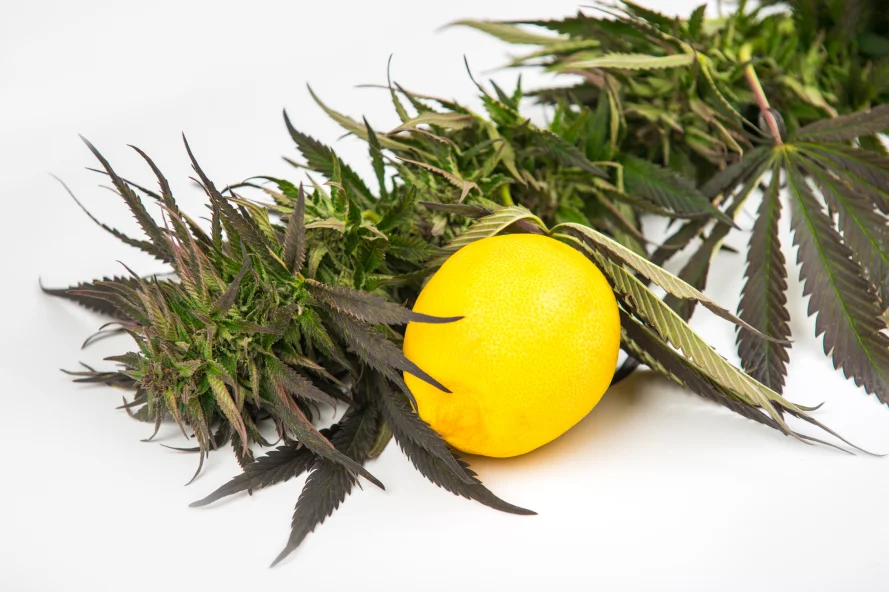
As we mentioned in our intro, terpenes are responsible for a cannabis strain’s primary flavor and aroma profile. Whether it’s the bright citrus of limonene or the sharp pine of pinene, these terpenes add depth and help create a more dynamic cannabis experience.
What many of you likely didn’t know is that terpenes are also key players in the entourage effect. Simply put, it’s the idea that terpenes, along with cannabinoids and other natural compounds found in cannabis, work together to create more potent and balanced effects.
Think of it like a tag-team partnership to bring you your desired effects, whether it’s a soothing body high to lull you to sleep, or a creative head buzz to help you take on the task at hand.
Here’s the thing, though: terpenes are highly volatile. Not only do they evaporate quickly, but they also break down easily under heat and degrade upon exposure to light, air, and humidity.
It’s why even the slightest environmental changes could potentially make your buds look less fresh, and that’s because of terpene deterioration. When this happens, a few things could occur as a result:
- Dull flavor
- Flatter, less potent kick
- Harsher, dehydrated flowers
This is why terpene preservation is a must. For some, it’s even a requirement. By keeping your buds at optimal humidity and temperature, you maintain the natural terpenes that growers worked so diligently to cultivate.
You can go without protecting terpenes, and your buds may still look fine. However, they will definitely lack the smoothness, potency, and overall character, shortchanging the experience.
| You’ll Want to Read This: What to Do With Terpenes? (8 Smart Ways) |
What Exactly Is a Terpene Shield?
So, what exactly protects these precious terpenes from damage and subsequent quality degradation? Enter terpene shields. In a nutshell, these are microscopic layers of water molecules that surround the buds when they are stored optimally. This means maintaining ideal humidity and temperature levels while keeping them away from air exposure.
Invisible to the naked eye, terpene shields also act as buffers if you do make a misstep in exposing cannabis buds to high humidity or air. Not only do they slow evaporation and protect delicate aromatic compounds, but they also maintain the bud’s soft, sticky texture. However, terpene shields can form only when moisture levels are balanced.
A lack or absence of terpene shields can quickly compromise even high-quality buds, rendering them bland, brittle, and noticeably less aromatic.
Simply put, terpene shields are the reason you have a smooth, flavorful smoking experience. It gives you bang for your buck while also preserving the longevity of your stash, provided you employ proper storage practices.
| What Terpene Shield Also Means: While “terpene shield” originally refers to the ideal environmental conditions that help preserve terpenes, the term has evolved. Today, it’s also a commercial term to describe products (typically humidity packs) that help maintain proper moisture levels in cannabis storage. |
What’s Inside? Terpene Shield Ingredients
As mentioned above, terpene shields are made of water molecules. These minuscule layers interact with the natural oils present on the surface of the flowers.
When you store buds in an environment where humidity levels are at the right amount, these molecules will do their job by creating a delicate, plant-safe layer to stabilize terpenes. An important detail to note here is that the shielding process does not alter the bud itself.
Terpene shields are 100% natural. They do not contain preservatives, synthetics, or solvents. They don’t even include flavors or other terpene infusions. If you’re a cultivator or retailer who values marketing compliance, this ensures that your product adheres to cannabis regulations and guarantees that no foreign component comes into contact with or alters the plant’s chemistry.
How Does a Terpene Shield Work?
The thin layer of water molecules is primarily a balanced moisture that surrounds the surface of the bud, particularly the trichomes. As we mentioned earlier, they are stabilizers that, in no way, dilute or coat the trichomes.
The added moisture helps prevent the resin heads from brittling, which ultimately reduces the chances of breakage. It also slows the rate at which terpenes escape into the air. And due to the extreme volatility of terpenes, the slightest shifts in dryness may cause evaporation long before a flower’s appearance changes.
The process of maintaining moisture levels with terpene shields keeps the environment stable, ultimately preserving the buds’ freshness as if they had just been harvested.
Why a Terpene Shield Matters
No one wants to smoke visibly deteriorated buds. Not only does it hinder you from having a memorable smoking experience, but it may also give the growers a bad reputation for cultivating subpar products.
But here are specific reasons why terpene shields matter.
Protects Terpene Integrity (aroma + flavor)
Terpenes play a significant role in the flavor and aroma of each strain. Your favorite bud rich in Caryophyllene will have a noticeable peppery aroma with slight herbal heat, and an equally spicy taste with subtle notes of cinnamon and clove.
The primary purpose of terpene shields is to protect terpene integrity and maintain flavor and aroma for as long as possible. Whether you prefer the sweet, creamy flavors of a dessert strain like the various Cake or Gelato variants, or the refreshing citrus notes of a Super Lemon Haze, they are all bound to fade quickly without terpene shields.
Slows Cannabinoid Degradation
Cannabinoids easily break down upon exposure to fluctuating environmental conditions. If improperly stored, expect your buds to last a mere few weeks. They will break down to the slightest touch, or worse, exhibit disgusting mold growth. What were supposedly top-tier buds will go to waste.
Terpene shields also help slow cannabinoid degradation. When stored properly, your buds can last at least 6 months, and possibly even a full year.
Helps Buds Stay Fresh Longer
You’ve likely had a smoking buddy whose stash remains as fresh as if it came directly from the farm. You’ve seen them buy it from your local dispensary, what feels like eons ago, and you’ve wondered how their stash still has the sticky qualities that herb lovers look for.
By keeping the buds moist with the right amount of water molecules, terpene shields prevent premature aging. It is similar to many skincare routines that aim to maintain optimal moisture levels to slow the wrinkling process.
Prevents the “Dry Crumble” Effect
A bud that dries out unevenly turns into a fragile mess the moment your hand touches it. If you see a flower stash that looks more like a baggie of pencil shavings, it was likely exposed to varying temperatures, which can cause the dreaded “dry crumble” effect.
However, by storing them in a cool, dry place away from moisture, you allow the terpene shield to do the work. You will notice it when you try to grind a nug, either by hand or with a grinder. The flower will maintain its structural integrity, rather than disintegrating into dust within seconds.
How a Terpene Shield Forms
Terpene shields don’t randomly pop up like mushrooms on a forest floor. They slowly build as the flower moves from harvest to mason jar. Small moisture shifts, along with handling and environmental conditions, all play a role in the development of this necessary natural barrier.
Here are the three pillars that help terpene shields form and last longer.
During the Curing Process
In this stage, cannabis flowers release moisture as they develop a complete aromatic profile. That gradual transition also helps the plant’s natural oils and moisture to surface and enter a balanced state.
This is why the curing process should never be rushed or overdone. Using proper, well-thought-out techniques allows the buds to form a stable microenvironment around the outer layers. As a result, plants develop a more natural protective barrier during storage.
When Humidity is Properly Balanced
Ensuring the formation of strong terpene shields requires keeping humidity levels within the ideal range. Industry standards indicate that the optimal range is between 58% and 62% relative humidity (RH).
Within these levels, just enough moisture stabilizes the flower’s outer surface without over-saturation (which could lead to mold growth).
| Definition of Relative Humidity (RH): Relative humidity is the percentage of water vapor in the air compared to the maximum amount the air can hold at a specific temperature. |
Proper Storage Conditions Maintained
Terpene shield strength heavily relies on the flower’s storage conditions. This is why most experts recommend keeping buds in a sealed container, such as a mason jar, and storing them in a cool environment, like a cupboard. In doing so, you maintain control over humidity levels.
Terpene Shield vs. Terpene Loss
Terpene shields thrive in the stability of the flower’s environment. Any change, whether due to temperature fluctuations or increased airflow, weakens that protective layer.
A key detail to take note of is that terpenes undergo a gradual degradation process. The breakdown begins slowly and develops over time. Here’s precisely what happens.
What happens when the shield breaks down?
Once humidity dips below the sweet spot, that micro-layer of moisture surrounding the bud begins to dissipate. Without that buffer, the terpenes will begin to evaporate rapidly. The flower’s natural oils will soon follow suit, drying out faster than the plant material itself.
As the symptoms of degradation progress, the bud’s characteristics shift as well. This is when they become more fragile, less aromatic, and noticeably aged, as it happened overnight.
Symptoms of terpene loss
The symptoms of terpene loss typically manifest through its physical traits. As a consumer, all you need are your five senses to detect.
- Duller smell: What was once a fragrant bud that immediately enticed your nose upon unsealing now has a more muted or generic scent.
- Visible color changes: Buds that underwent terpene loss are slightly lighter in color. The trichomes that should be glistening appear dusty, as if someone sprinkled chalk dust on your buds.
- Hotter burns: You will notice the third sign when you light up. The flower burns hotter, and the smoke is harsher because the bud lacks the oils that make for a smoother burn.
Shelf-life comparison: shielded vs. unshielded flower
Flowers with a strong terpene shield can maintain their peak aroma, texture, and flavor for at least four months. If you are a stickler for your storage methods, your buds can stay tip-top for up to 6 months. Some users report seeing a noticeable decline after 9 to 12 months, which is not a bad deal.
During these windows, buds remain as close to their cured quality as possible, while degradation happens at a much slower rate.
However, unshielded flowers begin to have a noticeable flattened aroma within the first two to four weeks. The harsher experience and brittle buds typically occur within the six- to eight-week mark.
How to Maintain a Strong Terpene Shield?
Proper storage is a cornerstone concept in maintaining a strong terpene shield. The good news is that it only requires a few simple ideas that many of us may need some reminding of.
Achieve Ideal Humidity Ranges
As we mentioned in an earlier section, the ideal humidity range for a storage environment that encourages optimal terpene shield development is between 58% to 62% RH. Apart from keeping the controls set, avoid frequently opening your storage containers, as each opening introduces fresh air that disrupts the micro-environment.
Storing smaller portions of your stash in separate containers may also help prevent widespread degradation.
Use the Best Storage Containers
We also mentioned that airtight glass containers, such as mason jars, make for the best storage. Most seasoned veterans in the game consider these the gold standard for their ability to hold humidity well while limiting airflow.
You can also opt for odor-proof bags that feature a carbon-lined interior. These would be your best options if you want something more portable.
Avoiding Light, Heat, and Oxygen Exposure
Light and heat accelerate the breakdown of terpenes and cannabinoids, while oxygen speeds up the aging process. It’s for these reasons that your tightly sealed stash should be stored in a calm, dark spot.
If you’re not comfortable placing it in a cupboard due to the risk of others finding it, a private storage box or drawer would be a suitable alternative.
Replacing Humidity Packs at the Proper Timing
Most humidity packs will last you between two and four months. However, a sign that a replacement is due is when they begin to feel dry, firm, or noticeably hardened. Maintaining a fresh pack ensures consistent conditions, enabling the terpene shields to deliver optimal results.
Let’s take a closer look at the part humidity packs play in preserving the integrity and longevity of terpene shields.
Do Humidity Packs Create a Terpene Shield?
By now, you should be fully aware of how humidity affects terpene shield development. With this in mind, innovators in the industry have developed humidity packs as a way to manipulate the environment around cannabis buds.
Cannabis humidity packs are small, flat, rectangular sachets made from kraft paper or a leakproof membrane that contain a mixture of natural salts and purified water or plant-based glycerin. To use one, growers place the humidity pack in the airtight container with the cannabis inside. The pack will then automatically regulate the humidity inside to a precise level.
However, many people may misunderstand how they work and their limitations. Brands like Boveda, for example, utilize a two-way humidity control to maintain the ideal humidity range within the storage jar, thereby keeping terpenes stable.
The Terpene Shield label is more about the protective microenvironment that forms when humidity remains consistent, much like how it is expected to function naturally. It is, in no way, a coating or additive on the bud.
Another misconception is that humidity packs add terpenes. Some people may think they infuse flavors or oils while also boosting potency, altering the strain’s chemical profile.
That cannot be further from the truth. In reality, these devices help preserve the existing terpenes, ensuring that flowers don’t lose their trademark scents, distinct taste, and much-beloved smoothness.
How Humidity Packs Restore Terpene Protection
Upon placing dry buds with a humidity pack, the device slowly releases moisture until the surrounding environment returns to optimal levels. At the same time, the flowers reabsorb the abundant moisture, stabilizing the surface and slowing evaporation.
Step-by-Step Guide on How to Use a Terpene Shield
Those of you using a terpene shield (like a humidity pack) for the first time may encounter a few missteps, which can lead to less desirable outcomes. Here’s a short step-by-step guide to ensure success.
Step 1: Correctly Placing the Pack
Humidity packs should be directly placed inside the storage container. The ideal spot would be above or beside the flowers, rather than buried beneath them. This allows even moisture circulation without over-compressing the buds.
Step 2: Keep the Humidity Pack Inside While Buds Remain
As previously mentioned, humidity packs can last up to four months, provided you don’t frequently open the container. Leave the shield in place continuously. Don’t make the crucial mistake of removing it once the flower softens, as it can cause environmental fluctuation.
If you’re reviving flowers that had been overly dried, you may notice visible results within 24 hours.
Step 3: Checking for Symptoms of Effectivity
You will know that the terpene shield is working within the first two to three days. Dried buds will begin to feel more springy and less brittle to the touch as the aromas become noticeably fuller.
Within the five to seven-day mark, you will see a more consistently balanced texture. Buds are softer without feeling damp between smoking sessions.
If your terpene pack remains flexible while the flowers retain their freshness, smoothness, and structural integrity, that would be the best sign that the shield is doing its job well.
Common Myths About Terpene Shields
One of the most common myths about terpene shields is that they are only necessary for dry or low-quality flowers. Many assume that top-tier or fresh buds “don’t need help,” a wrong notion that requires debunking.
Here are some other misconceptions about terpene shields or humidity packs:
- They can improve low-quality buds. The reality is that terpene shields only preserve what’s already there. They can’t fix poor curing, previously degraded terpenes, and bad genetics.
- They add moisture directly into the bud. Terpene shields don’t dampen or soak the flower. They balance the surrounding humidity, allowing the bud to naturally regulate itself without compromising its structure.
- Humidity packs cause mold growth. On the contrary, they help maintain relative humidity at the optimal 62%. Doing so prevents mold development.
- Buds must be removed from the pack once they soften. Removing them too early can cause a humidity swing that could break the terpene shield. What you want is a stable, consistent environment rather than momentary softness.
- You don’t need terpene shields if your jar is airtight. While such containers do a good job in keeping the air out, they don’t regulate internal humidity like these packs do.
Benefits for THCA Flower, Dispensaries, and Wholesale
THCA flowers move through extended supply chains, sit in back stock, and are subject to frequent temperature and humidity changes. And as we’ve repeatedly mentioned, these fluctuating conditions can quickly strip away aroma and freshness.
Terpene shields protect those precious flowers through every step of that journey. If you’re a dispensary owner or wholesale buyer, this guarantees you better product consistency, fewer dried-out losses, and noticeably better overall customer experience.
Why is THCA flower extra vulnerable to terpene loss?
THCA flower is more prone to terpene loss because it is fresher and less processed. Without undergoing curing, the terpene content evaporates faster.
Another reason is that THC buds are stored and shipped across long distances, making them prone to humidity shifts. That alone can cause noticeable loss of aroma.
How businesses can extend shelf life and maintain quality
As you might expect, wholesale buds are stored for far longer than retail-ready buds. This means preservation methods are crucial, and maintaining optimal humidity levels is one of the most effective ways to achieve them.
If you’re dealing with THCA-heavy products, terpene shields can extend shelf life by at least two months. This ultimately translates into improved customer satisfaction and broader business growth. Here are some practical tips:
- Maintain a stable inventory room climate. The goal here is to prevent temperature fluctuations at all costs.
- Use opaque or UV-blocking containers. Keep your stash as far away from direct light exposure as possible.
- Avoid frequent container transfers. Every single transfer exposes buds to oxygen, disrupting their microenvironment.
- Include humidity packs during transport, not just storage. Think of it like flash-freezing fresh goods as they move from one place to another.
- Implement a first-in, first-out system. This ensures that older batches don’t sit too long while also maintaining a consistent freshness standard.
Storage tips for retailers, cultivators, and B2B buyers
We have so far shared some practical ways to keep terpenes fresh. These would be valuable, whether you’re a retailer, cultivator, or B2B buyer. Here are a few more to keep in mind:
- Use vacuum sealing strictly for transport: Light vacuum pressure helps stabilize humidity during shipping. However, it wouldn’t be ideal for long-term storage, as the compression leads to the loss of trichome integrity.
- Allow bulk flowers to acclimate before opening: Let your sealed bags or containers sit undisturbed in the storage for a few hours. This allows the humidity and temperature levels to match within the environment, reducing stress to the buds.
- Use proper labels on containers: Specifically, indicate the date the container was opened. This helps staff or anyone handling the products keep track of actual aging, rather than relying solely on the harvest date.
- Keep your inventory stored slightly above ground level: Floor temperatures are typically cooler, which can create a microclimate and lead to uneven drying. Using shelves helps maintain more consistent conditions.
- Keep your stash away from HVAC vents: Their airflow can also cause fluctuations in temperature and humidity. For consistency, avoid placing your buds near them.
Ready to Experience Premium THCA Flower?
Preserving terpenes is just one part of the equation; choosing high-quality THCA flower strains is equally crucial. Explore The Hemp Doctor’s wholesale THCA flower and elevate your product offerings with buds that stay fresh longer, deliver consistent effects, and satisfy even the most discerning consumers.